

China to Germany air cargo custom clearance: 2026 Logistics Guide
China to germany air cargo custom clearance is a fundamental aspect of modern supply chains for businesses importing goods into the heart of the European market in 2026. Navigating the intricate regulatory requirements of the German Zoll office necessitates a professional approach from a reliable freight partner like Freight Net China to ensure timely delivery. Consequently, understanding the latest digital customs protocols and documentation standards is essential for maintaining a competitive edge in the global marketplace.
Understanding the 2026 Landscape of China to Germany Air Cargo Custom Clearance
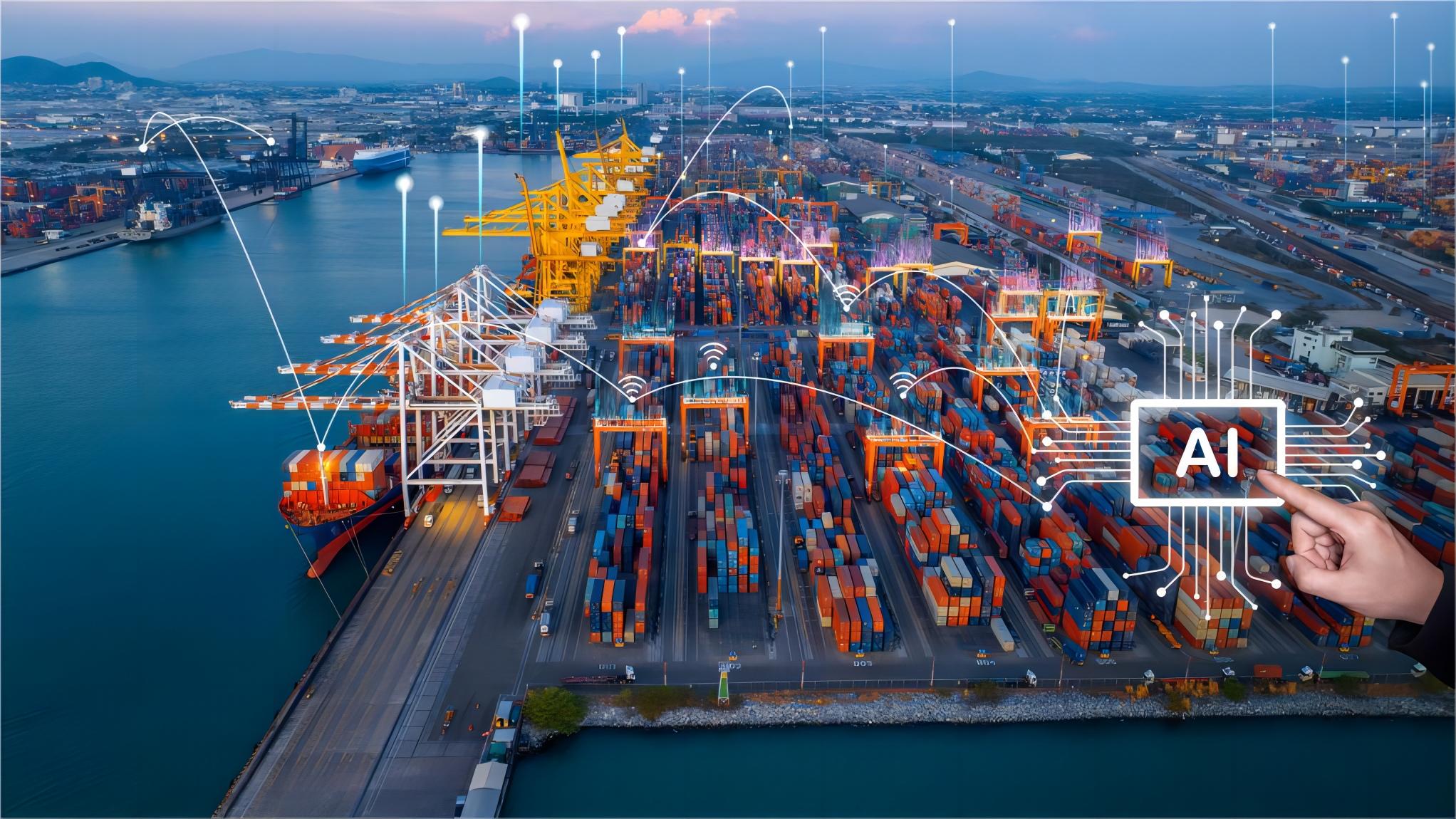
Specifically, the logistics environment between Asia and Europe has evolved significantly as we move through 2026. Modern customs authorities now utilize advanced AI-driven screening processes that require precise data entry for every shipment. Furthermore, German regulations remain among the strictest in the world to ensure safety and compliance across all industrial sectors.
Consequently, any discrepancy in your paperwork can lead to expensive delays or potential fines at the border. Importers must stay updated on the latest Union Customs Code (UCC) amendments that affect air shipments arriving in Frankfurt, Munich, or Leipzig. Moreover, the integration of green logistics initiatives has introduced new reporting requirements for carbon emissions associated with air transport.
Navigating these complexities involves more than just filling out forms; it requires a strategic understanding of harmonized system (HS) codes. Additionally, the relationship between the exporter in China and the German customs broker must be perfectly synchronized. Therefore, choosing a forwarder with deep local knowledge is the most effective way to mitigate risks during the clearance process.
Generally, the process begins long before the aircraft takes off from Shenzhen or Shanghai. Proper classification of goods ensures that the correct duty rates are applied from the outset. Meanwhile, the implementation of the ICS2 (Import Control System 2) Phase 3 in 2026 has made pre-loading data submissions even more critical for air cargo security.
How Air Cargo Compares to Other Shipping Options
Specifically, choosing air freight is often the preferred choice for high-value or time-sensitive commodities. While the cost is higher than other modes, the speed of delivery often justifies the investment for electronics and pharmaceuticals. However, businesses must weigh these costs against the slower but cheaper alternatives available in the market.
For instance, rail freight offers a middle ground, providing faster transit than sea but at a lower price point than air. Nevertheless, air cargo remains the undisputed leader for urgent restocking and seasonal product launches. Indeed, the reliability of flight schedules in 2026 provides a level of certainty that rail or sea cannot always match.
Notably, sea freight remains the backbone of bulk commodity transport despite its 35-day transit time. In contrast, air cargo can move from a factory in Ningbo to a warehouse in Berlin in under 5 days. Accordingly, the decision usually depends on the specific profit margins and urgency of the cargo being shipped.
| Shipping Method | Cost Range (2026) | Transit Time | Best For |
|---|---|---|---|
| Air Freight | $4.50 – $8.50 per kg | 3 – 7 Days | Urgent, High-value |
| Rail Freight | $1.50 – $2.50 per kg | 15 – 22 Days | Heavy, Mid-value |
| Sea Freight | $3,000 – $4,200 (40HQ) | 30 – 40 Days | Bulk, Low-cost |
| Express Service | $9.00 – $15.00 per kg | 2 – 4 Days | Samples, Small parcels |
Essential Documentation for German Customs
Specifically, the success of your China to Germany air cargo custom clearance depends heavily on the accuracy of your documentation. The German customs office, or Zoll, requires a specific set of papers to verify the value and origin of the goods. Furthermore, utilizing a professional customs brokerage service can prevent common errors that lead to shipment seizures.
Moreover, every importer must possess a valid EORI (Economic Operators Registration and Identification) number to trade within the EU. Without this identification, your cargo will be held indefinitely at the airport of arrival. Additionally, the Commercial Invoice must clearly state the Incoterms, currency, and a detailed description of the items in German or English.
Consequently, the Packing List should mirror the invoice exactly to avoid confusion during physical inspections. For certain regulated goods, a Certificate of Origin or specific CE certifications may also be required. Therefore, preparing these documents well in advance of the flight is a hallmark of a mature logistics strategy.
| Document Name | Purpose | Key Information | Requirement |
|---|---|---|---|
| Commercial Invoice | Valuation | HS Codes, Price | Mandatory |
| Air Waybill (AWB) | Contract | Flight Details | Mandatory |
| Packing List | Verification | Weight, Volume | Mandatory |
| EORI Number | Identification | EU Tax ID | Mandatory |

Import Duties and VAT for 2026 Shipments
Specifically, calculating the total landed cost requires a deep understanding of German tax laws. Most goods imported from China are subject to a standard Value Added Tax (VAT) of 19 percent. Furthermore, customs duties are calculated based on the CIF (Cost, Insurance, and Freight) value of the shipment rather than just the product price.
Notably, duty rates vary significantly depending on the HS code classification of your products. For example, some electronics may enjoy zero duty, while textiles could face rates exceeding 12 percent. Consequently, misclassifying your goods to save money is a risky practice that often results in severe penalties from the Zoll authorities.
Meanwhile, the 2026 market context has seen the introduction of new environmental levies on certain plastic and carbon-intensive products. As a result, importers should consult with their logistics partners to determine if these additional costs apply to their specific inventory. Indeed, staying compliant with these evolving tax structures is vital for long-term profitability.
Note: Freight rates and duty percentages are subject to change based on fuel costs, carrier capacity, and seasonal demand. Contact us for a current quote tailored to your specific shipment.
Transit Times and Logistics Planning
Specifically, when opting for door to door service, the total transit time includes more than just the flight duration. While the actual air time from China to Germany is approximately 10 to 12 hours, the entire process usually takes 3 to 7 days. Furthermore, this timeline accounts for pick-up in China, export clearance, flight handling, and final delivery in Germany.
Moreover, major hubs like Frankfurt (FRA) and Munich (MUC) offer the most frequent connections but can also experience congestion during peak seasons. Alternatively, using secondary airports like Cologne (CGN) or Leipzig (LEJ) can sometimes offer faster handling for specific types of cargo. Consequently, your choice of destination airport can impact both cost and speed.
Additionally, the ‘last mile’ delivery within Germany is highly efficient thanks to a robust infrastructure of autobahns and local courier networks. Therefore, even if your warehouse is in a remote part of Bavaria, you can expect swift arrival once the cargo clears customs. As a result, air freight remains the gold standard for maintaining a lean, just-in-time inventory system.
Decision Framework: Which Option Should You Choose?
Specifically, businesses must evaluate their priorities before committing to a specific shipping method. If your primary goal is budget conservation and you have a long lead time, sea freight is the logical choice. However, if you are dealing with perishable goods or high-tech components that lose value quickly, air freight is the only viable solution.
Furthermore, for shipments that are too large for express service but too small for a full sea container, air cargo provides the perfect balance. Notably, the volume threshold for switching from air to sea typically occurs around the 1.5 CBM mark for many retail businesses. Consequently, analyzing your shipping volumes monthly can lead to significant cost optimizations.
Moreover, consider hybrid strategies like sea-air or rail-air if you need to balance cost and speed. These multi-modal solutions involve shipping by sea to a hub like Dubai and then flying the cargo to Germany. Indeed, this approach can save up to 40 percent in costs compared to pure air freight while still being twice as fast as sea freight.

Realistic Case Studies: Successful Shipments in 2026
Case Study 1: High-Tech Electronics Delivery Route: Shenzhen, China to Frankfurt, Germany Cargo: 5G Network Components, 12 CBM, 2500 kg Service: Direct Air Freight Cost Breakdown: – Air Freight: $16,250 – Origin Charges: $450 – Destination Charges: $550 – Customs Duties: $0 (Information Technology Agreement) – Total Landed Cost: $17,250 Timeline: – Booking to Loading: 1 day – Air Transit: 12 hours – Customs Clearance: 1 day – Total Door-to-Door: 4 days Key Insight: Using a direct flight avoided transshipment risks and ensured the sensitive electronics arrived without damage.
Case Study 2: Urgent Medical Supplies Route: Shanghai, China to Munich, Germany Cargo: Diagnostic Equipment, 4 CBM, 850 kg Service: Premium Air Cargo Cost Breakdown: – Air Freight: $6,375 – Origin Charges: $300 – Destination Charges: $400 – Customs & Duties: $1,200 – Total Landed Cost: $8,275 Timeline: – Booking to Loading: 1 day – Air Transit: 14 hours – Customs Clearance: 6 hours (Pre-cleared) – Total Door-to-Door: 3 days Key Insight: Pre-filing customs documentation while the plane was in the air allowed for immediate release upon arrival in Munich.
Case Study 3: Seasonal Fashion Apparel Route: Guangzhou, China to Berlin, Germany Cargo: Designer Clothing, 8 CBM, 1200 kg Service: Standard Air Freight Cost Breakdown: – Air Freight: $9,000 – Origin Charges: $500 – Destination Charges: $600 – Customs & Duties: $2,800 – Total Landed Cost: $12,900 Timeline: – Booking to Loading: 2 days – Air Transit: 18 hours (1 stopover) – Customs Clearance: 1.5 days – Total Door-to-Door: 6 days Key Insight: Choosing a flight with a stopover in Istanbul reduced the freight rate by 15 percent without significantly impacting the retail launch schedule.
Overcoming Delays and Challenges in German Logistics
Specifically, the most common cause of delay in China to Germany air cargo custom clearance is incorrect HS code application. German customs officers are meticulous and will often flag shipments that appear undervalued or mislabeled. Consequently, providing high-quality photos and technical descriptions of your products can help clarify any doubts the officers may have.
Furthermore, seasonal peaks during the Golden Week in China or the Christmas rush in Europe can lead to capacity shortages. During these times, freight rates can spike by 20 to 30 percent, and transit times may stretch by several days. Therefore, booking your space at least two weeks in advance is a critical strategy for maintaining your delivery schedule.
Additionally, language barriers can sometimes lead to misunderstandings in the documentation process. Utilizing a freight forwarder that has bilingual staff in both China and Germany ensures that all communication is crystal clear. As a result, you can resolve potential issues before they escalate into costly storage fees at the airport warehouse.
Final Thoughts on Air Cargo Logistics
To summarize, mastering China to germany air cargo custom clearance requires a combination of early preparation, accurate documentation, and the right logistics partnership. As we have seen, the speed and reliability of air transport offer unmatched benefits for businesses that prioritize time-to-market. By understanding the costs, transit times, and regulatory requirements, you can ensure your goods move efficiently through the German border.
Indeed, the logistics landscape of 2026 demands a proactive approach to compliance and cost management. As technology continues to reshape how we handle international trade, staying informed remains your best defense against delays. Trusting experts to manage your China to germany air cargo custom clearance allows you to focus on what matters most: growing your business in the European market.
Start Your Shipment
Optimizing your China to Germany air cargo custom clearance is the key to a resilient supply chain in 2026. Whether you are shipping urgent medical supplies or high-value electronics, our team provides the expertise needed to navigate complex regulations. Contact Freight Net China today to receive a customized quote and experience seamless international logistics tailored to your business goals. Visit our website to learn more about our comprehensive shipping solutions.
Request Quote