


Shipping from China for Amazon Sellers Singapore: The Ultimate Logistics Guide
Navigating the complexities of shipping from China for Amazon sellers Singapore requires a strategic approach to international logistics. Sellers often face significant challenges with high shipping costs and strict Amazon FBA requirements, but partnering with Freight Net China ensures a smooth and efficient transition. This comprehensive guide provides actionable insights and expert strategies to help you manage your inventory effectively, reduce overheads, and boost your overall profit margins in the competitive Singaporean market.
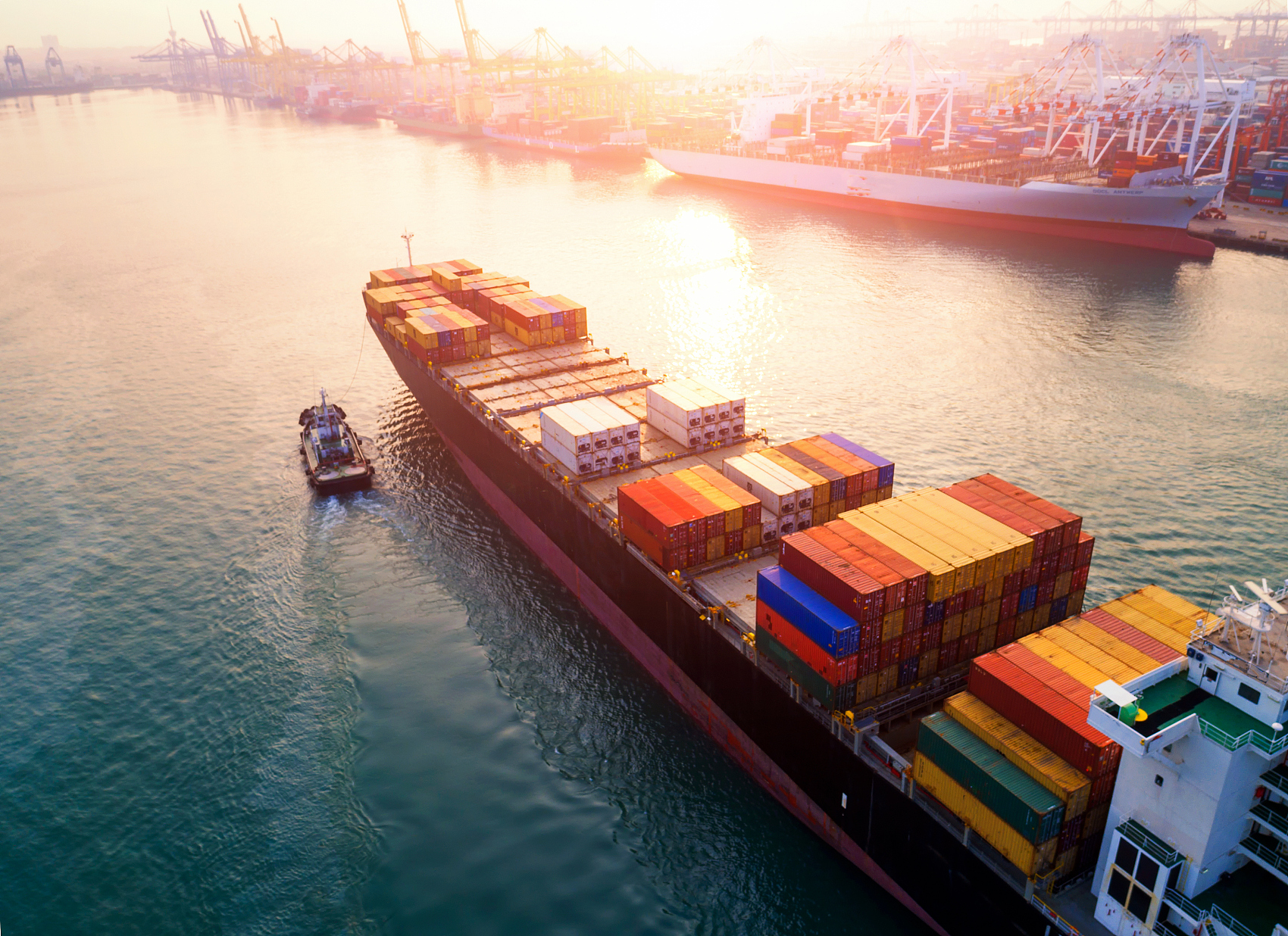
Understanding the Logistics Landscape for Singapore Sellers
Singapore serves as a primary gateway for e-commerce growth within the Southeast Asian region. Consequently, local Amazon sellers frequently source products from Chinese manufacturing hubs to leverage competitive pricing and diverse product ranges.
Understanding the intricate logistics flow is essential for maintaining high seller ratings and ensuring consistent customer satisfaction. Moreover, the proximity of China to Singapore allows for a variety of transport modes that can be tailored to specific business needs.
Success in this market depends heavily on your ability to manage lead times and shipping costs effectively. Indeed, a well-optimized supply chain is often the difference between a thriving Amazon store and one that struggles with stockouts.
Sellers must also remain aware of the regulatory environment in both the origin and destination countries. Therefore, staying updated on trade policies and customs requirements is a fundamental task for any serious entrepreneur.
Choosing the Right Shipping Method for Your Business
Selecting the most appropriate mode of transport depends largely on your specific budget constraints and the urgency of your inventory needs. For instance, sea freight remains the most cost-effective option for bulky items or large-scale inventory replenishments.
Conversely, smaller shipments or high-value goods might benefit from faster methods to keep up with sudden demand spikes or seasonal trends. Additionally, the choice between different methods will impact your total landed cost and your ability to price products competitively.
Freight rates fluctuate based on market demand and fuel surcharges, so regular monitoring of the industry is required. Furthermore, professional logistics providers can offer consolidated services that help reduce the cost per unit for smaller sellers.
| Method | Average Cost | Transit Time | Best For |
|---|---|---|---|
| Air Freight | $4.50 – $8.00 per kg | 3 – 5 Days | High-value, urgent stock |
| Sea Freight LCL | $60 – $120 per CBM | 10 – 15 Days | Mid-sized shipments |
| Sea Freight FCL | $800 – $1,500 per 20GP | 8 – 12 Days | Bulk inventory orders |
| Express Courier | $6.00 – $10.00 per kg | 2 – 4 Days | Samples and small parcels |
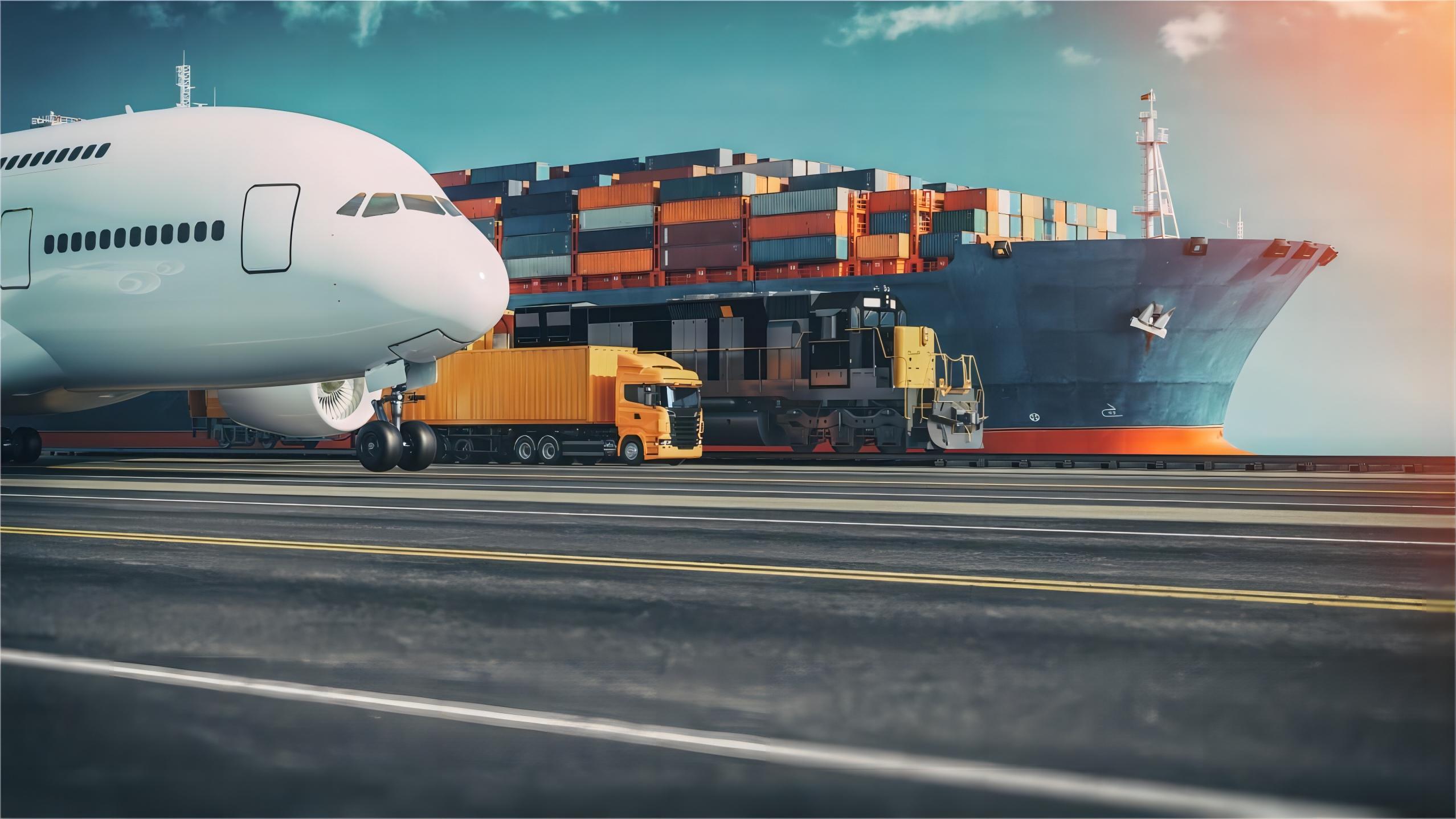
How Does Sea Freight Compare to Other Shipping Options?
Comparing different logistics paths is a vital step in optimizing your business operations and minimizing unnecessary expenses. While air freight offers unparalleled speed, the cost per kilogram is significantly higher than maritime transport solutions.
Sea freight provides much-needed stability for large-scale operations, especially during peak seasons when air cargo capacity is limited and prices skyrocket. Nevertheless, air freight is indispensable for launching new products quickly or reacting to unexpected stock shortages.
Hybrid solutions like sea-air combinations are also becoming popular for those seeking a middle ground between cost and speed. Accordingly, evaluating your inventory turnover rate will help determine which method aligns best with your financial goals.
| Shipping Method | Cost Range | Transit Time | Limitations |
|---|---|---|---|
| Sea Freight | Low | 10-15 Days | Longer lead times |
| Air Freight | High | 3-5 Days | Weight/Size restrictions |
| Direct Express | Very High | 2-4 Days | Highest cost per unit |
Navigating Amazon FBA Requirements in Singapore
Compliance with Amazon FBA standards is absolutely non-negotiable for achieving long-term success on the platform. Amazon maintains strict guidelines regarding packaging, labeling, and palletization that must be followed to avoid shipment rejections.
Properly preparing your goods at the origin in China can save significant time and money once the cargo reaches Singapore. For example, ensuring that each unit has a scannable FNSKU label is a basic requirement that many new sellers overlook.
Using a freight forwarder that specializes in FBA shipments provides an added layer of security for your business. Consequently, these experts can inspect your goods and correct any packaging issues before they arrive at the Amazon fulfillment center.
Alternative Strategies for Cost-Effective Shipping
Sellers should actively consider alternative strategies to balance the trade-offs between speed and logistics costs. For instance, utilizing a third-party warehouse in Singapore for initial storage can provide more flexibility than shipping directly to Amazon FBA.
Maintaining a small buffer stock locally allows you to replenish Amazon inventory quickly without waiting for international transit from China. In addition, this strategy helps you avoid Amazon’s long-term storage fees during slower sales periods.
Consolidating shipments from multiple Chinese suppliers into a single container is another effective way to reduce overhead. Therefore, coordinating with a logistics partner who offers consolidation services can significantly lower your freight expenses.

Managing Customs and Documentation
Importing goods into Singapore requires a thorough understanding of the local customs regulations and tax obligations. Every commercial shipment is subject to the Goods and Services Tax, which is currently applied at a standard rate to the CIF value of the goods.
Utilizing a professional customs brokerage service simplifies the entire clearance process and prevents costly delays at the port. Without a doubt, accurate documentation is the most critical factor in ensuring your goods pass through customs without interference.
Specific products may also require additional permits or certifications from Singaporean regulatory agencies. Meanwhile, your freight forwarder can assist in identifying these requirements early in the shipping process to ensure full compliance.
Real Case Studies for Singapore Amazon Sellers
Case Study 1: Electronics from Shenzhen to Singapore. Route: Shenzhen Port to Singapore Port. Cargo: Smart Home Hubs, 4 CBM, 750 kg. Method: Sea Freight LCL. Ocean Freight: $380. Origin Charges: $120. Destination Charges: $150. Customs and Duties: $420. Total Landed Cost: $1,070. Sea Transit: 11 days. Total Door-to-Door: 18 days. Key Insight: Consolidating multiple small orders reduced the per-unit shipping cost by 15 percent.
Case Study 2: Fashion Apparel from Guangzhou to Singapore. Route: Guangzhou to Singapore. Cargo: Organic Cotton Apparel, 2 CBM, 280 kg. Method: Air Freight. Air Freight: $1,150. Origin Charges: $90. Destination Charges: $110. Customs and Duties: $350. Total Landed Cost: $1,700. Transit Time: 4 days. Total Door-to-Door: 7 days. Key Insight: Rapid transit allowed the seller to capitalize on a viral social media trend before the competition.
Case Study 3: Furniture from Ningbo to Singapore. Route: Ningbo to Singapore. Cargo: Ergonomic Office Chairs, 28 CBM. Method: 20GP Full Container Load. Ocean Freight: $950. Origin Charges: $200. Destination Charges: $250. Customs and Duties: $800. Total Landed Cost: $2,200. Sea Transit: 14 days. Total Door-to-Door: 22 days. Key Insight: Using FCL eliminated the risk of damage during handling in shared containers.
Streamlining with Door to Door Logistics
Enhancing your supply chain efficiency is much easier when you utilize comprehensive door to door logistics services. This approach covers every step of the journey, from the factory floor in China to the final delivery at the Amazon warehouse.
Sellers who choose this option can focus their energy on marketing and sales rather than managing multiple logistics providers. Furthermore, having a single point of contact simplifies communication and makes it easier to track the status of your inventory.
Professional forwarders handle all the heavy lifting, including inland trucking in China and last-mile delivery in Singapore. Consequently, this end-to-end service model reduces the likelihood of errors and ensures a more predictable delivery schedule.
Final Thoughts on Shipping from China for Amazon Sellers Singapore
Mastering the art of shipping from China for Amazon sellers Singapore is a continuous process of optimization and adaptation. By choosing the right shipping methods and ensuring strict compliance with FBA standards, you can build a resilient and profitable e-commerce business.
Partnering with an experienced freight forwarder like Freight Net China provides the expertise needed to navigate complex customs and logistics hurdles. Start implementing these strategies today to gain a competitive edge in the vibrant Singaporean market.
Ready to streamline your logistics?
Are you ready to optimize your shipping from China for Amazon sellers Singapore? Contact our logistics experts today to receive a customized quote and streamline your e-commerce supply chain. Visit our contact page to get started with a reliable partner.
Request Quote