
China Import Customs Broker Express Logistics: 2026 Guide
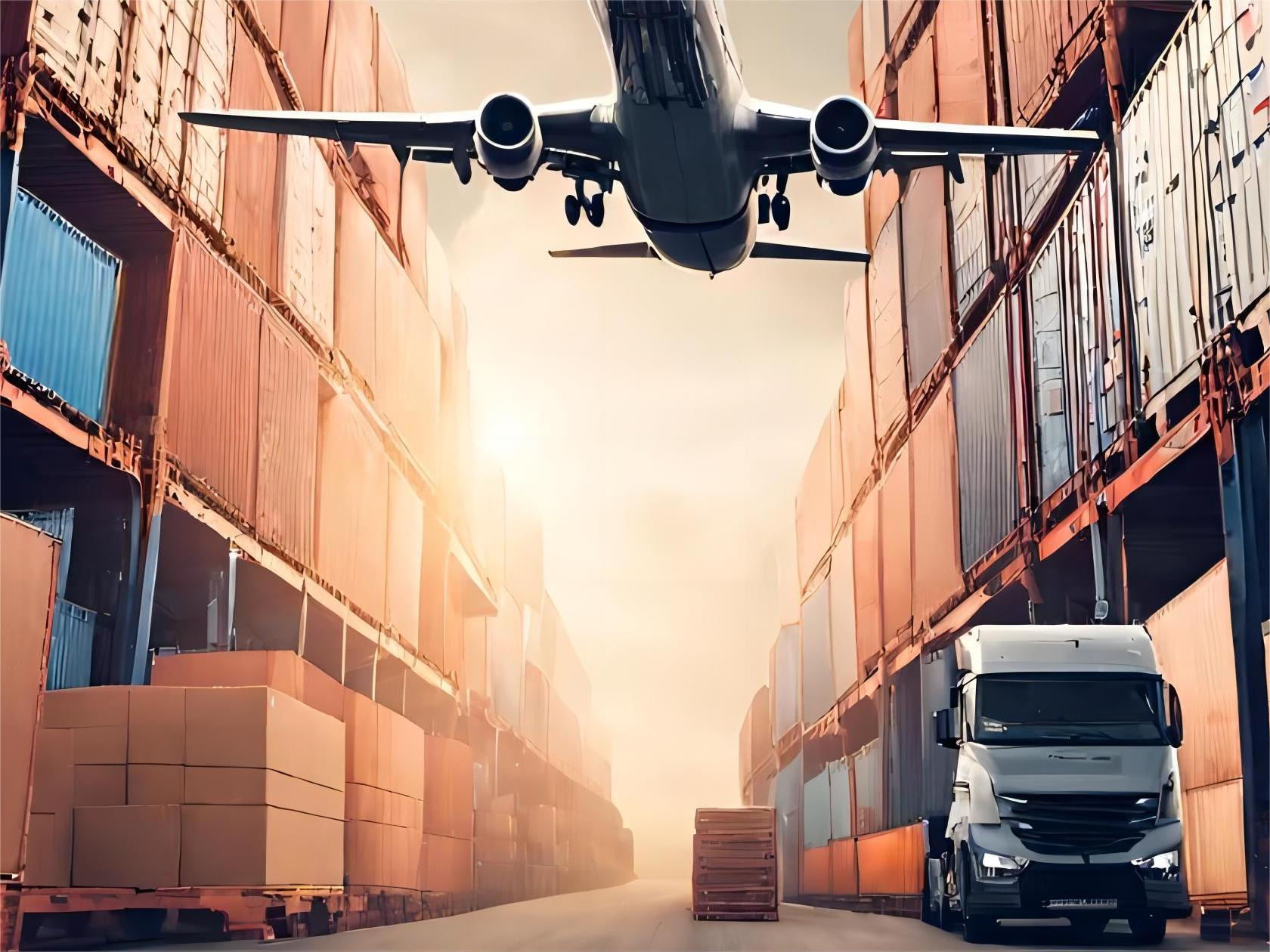
Navigating the complexities of international trade requires a reliable partner to manage your global supply chain. At Freight Net China, we specialize in china import customs broker express logistics to streamline your cargo movements. Consequently, our team ensures your shipments move efficiently across borders while maintaining full compliance with the latest 2026 trade regulations.
The Vital Role of a China Import Customs Broker in Express Logistics
A professional customs broker acts as a bridge between your business and government authorities. In the realm of china import customs broker express logistics, these experts handle the intricate paperwork required for legal entry. Moreover, they ensure that your goods are classified correctly under the Harmonized System (HS) codes to avoid unnecessary fines.
Customs regulations frequently change, and 2026 has introduced new digital filing requirements for all incoming cargo. Therefore, having a dedicated specialist prevents delays that could disrupt your entire production schedule. Indeed, a broker manages everything from duty calculations to final delivery coordination.
Express logistics demands speed, which makes the role of a broker even more critical. Since express shipments often move within tight windows, any documentation error can lead to significant bottlenecks. Accordingly, our team prioritizes accuracy and rapid processing to keep your supply chain moving.
How Does Express Logistics Compare to Other Shipping Options?
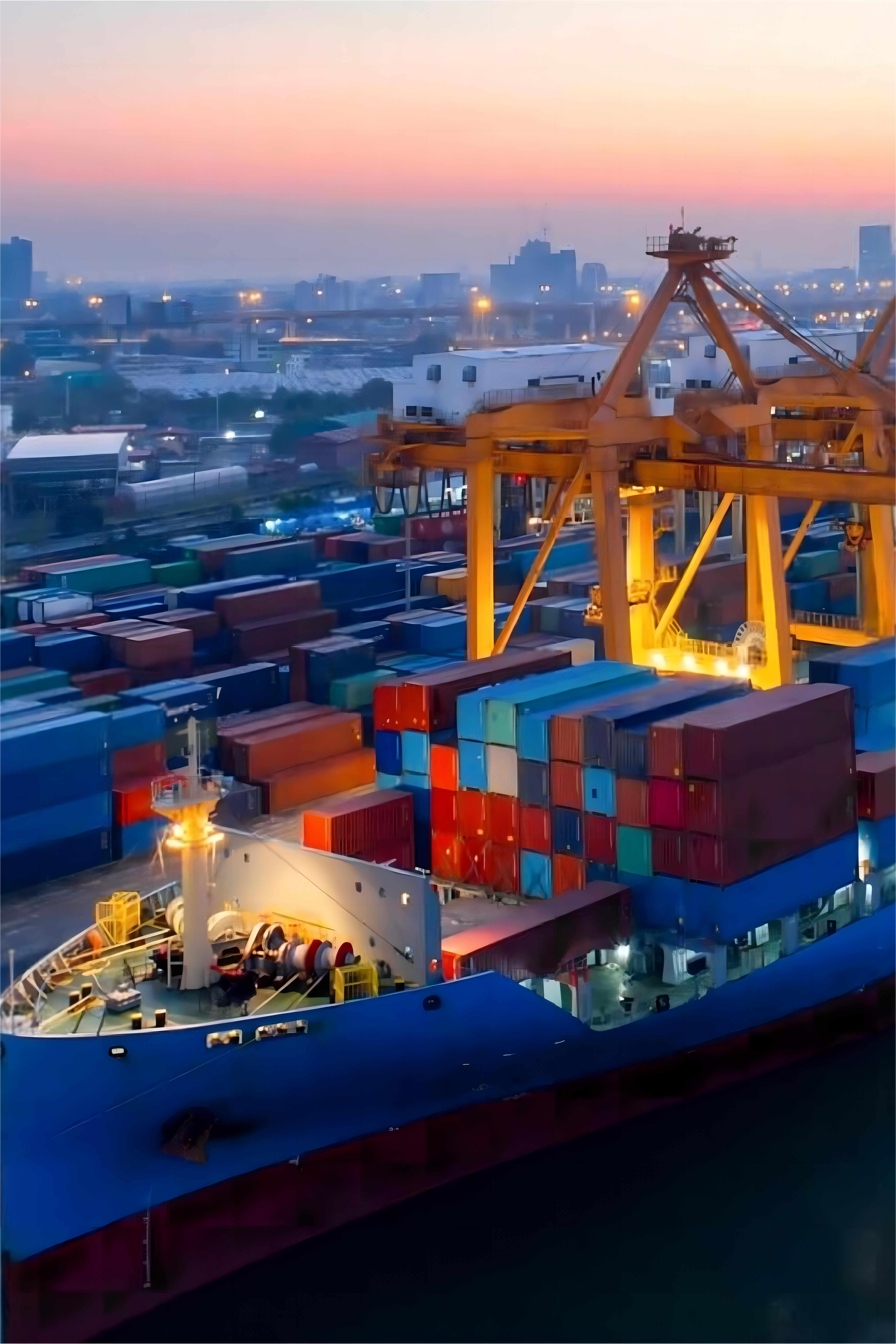
Choosing the right shipping method depends on your budget, cargo volume, and required transit time. While express service offers the fastest delivery, it may not be the most cost-effective for bulk shipments. In contrast, traditional methods provide more capacity for larger inventory orders.
Sea freight remains the preferred choice for massive volumes due to its lower cost per unit. However, the transit time is significantly longer compared to air or express solutions. For instance, a shipment from Shanghai to Europe via sea may take 35 days, whereas express arrives in under a week.
Hybrid solutions have gained popularity in 2026 as businesses seek a balance between cost and speed. For example, some importers use sea-air combinations to bypass port congestion while keeping expenses manageable. Nevertheless, for urgent parts or high-value electronics, express logistics remains the gold standard.
| Shipping Method | Average Cost | Transit Time | Best For |
|---|---|---|---|
| Express Service | High ($8-15/kg) | 3-6 Days | Urgent/High-Value |
| Air Freight | Medium ($4-8/kg) | 7-12 Days | Medium Volume |
| Sea Freight | Low ($1-3/kg) | 30-45 Days | Bulk Cargo |
| Rail Freight | Medium-Low | 18-22 Days | Inland Europe |
Understanding 2026 Customs Documentation Requirements
Proper documentation is the foundation of successful china import customs broker express logistics. Without the correct paperwork, your shipment may be held at the port of entry indefinitely. Furthermore, the 2026 digital trade initiative requires all invoices to be submitted via secure electronic portals.
Key documents include the commercial invoice, packing list, and bill of lading or airway bill. Additionally, certain products require certificates of origin or specialized permits from health and safety agencies. Consequently, verifying these requirements before the ship departs is essential for smooth clearance.
Our customs brokerage team handles the preparation and submission of these files on your behalf. We also assist in securing customs bonds, which are mandatory for most commercial imports into North America. Without a doubt, professional oversight reduces the risk of costly inspections.
Essential Checklist for Importers
1. Commercial Invoice: Must detail the value, description, and HS code of every item. 2. Packing List: Accurate weight and dimensions for all packages. 3. Certificate of Origin: Necessary for claiming preferential tariff rates under trade agreements. 4. Customs Bond: Required for all shipments valued over a specific threshold.

Market Trends: Shipping from China to North America and Europe
As of early 2026, freight rates have stabilized following the volatility seen in previous years. However, seasonal peaks still occur during the third quarter as retailers prepare for the holiday season. During these times, express logistics capacity often tightens, leading to slight price increases.
Shipping to North America currently faces new environmental regulations affecting port operations. These changes prioritize low-emission vessels, which can influence carrier schedules and total transit times. Meanwhile, routes to Europe are seeing an increase in rail-sea hybrid usage to improve sustainability.
Technological advancements in tracking have also transformed the industry this year. Importers can now access real-time data regarding their cargo’s location and customs status through integrated platforms. Accordingly, this transparency allows for better inventory management and more accurate delivery forecasts.
Case Studies: Real-World China Import Logistics Scenarios
Reviewing actual shipments provides valuable insight into the costs and timelines associated with modern logistics. These examples reflect the current market conditions and typical challenges faced by global importers in 2026.
Case Study 1: Electronics from Shenzhen to New York. Route: Shenzhen (SZX) to New York (JFK). Cargo: Consumer electronics, 5 CBM, 1,200 kg. Method: Express Logistics. Cost Breakdown: Air Freight $7,200, Customs Fees $450, Duties $1,800. Timeline: Booking to delivery in 5 days. Key Insight: Choosing express avoided a stockout during a major product launch.
Case Study 2: Industrial Parts from Shanghai to Hamburg
Route: Shanghai (CNSHA) to Hamburg (DEHAM). Cargo: Steel components, 15 CBM, 4,500 kg. Method: LCL sea freight. Cost Breakdown: Ocean Freight $2,100, Origin Charges $350, Destination Charges $400, Customs $250. Timeline: Total door-to-door in 38 days. Key Insight: Consolidation saved the client 60 percent compared to air freight options.
Cost-Saving Strategies for High-Volume Importers
Reducing your landed cost requires a strategic approach to shipping and customs management. For example, consolidating multiple small orders into one larger shipment can significantly lower your per-unit freight rate. Additionally, auditing your HS code classifications may reveal opportunities for lower duty rates.
Negotiating long-term contracts with freight forwarders can also provide price stability in a fluctuating market. Moreover, utilizing door to door services often eliminates hidden third-party handling fees. Indeed, a streamlined process reduces the labor hours required to manage your logistics.
Note: Freight rates are subject to change based on fuel costs, carrier capacity, and seasonal demand. Contact us for a current quote tailored to your specific shipment. We recommend requesting quotes at least two weeks before your cargo is ready for pickup.
Which Shipping Option Should You Choose? Decision Framework
Determining the best method involves evaluating your specific business priorities. If your primary goal is budget conservation, sea freight is almost always the superior choice. On the other hand, if you are shipping perishable goods or time-sensitive samples, express logistics is mandatory.
Consider the value-to-weight ratio of your products when making this decision. High-value items like jewelry or specialized electronics often justify the higher cost of air freight due to increased security and speed. Conversely, heavy machinery or furniture is best suited for ocean containers.
Volume thresholds also play a role in your strategy. For shipments under 100 kg, express courier services are often more economical than traditional air freight. However, once you exceed 500 kg, the pricing structure shifts in favor of standard air or sea transport.
| Priority | Recommended Method | Cost Level | Transit Speed |
|---|---|---|---|
| Budget | Sea Freight | Low | Slow |
| Speed | Express Logistics | High | Very Fast |
| Balance | Rail/Air Hybrid | Medium | Moderate |
| Reliability | Direct Air | Medium-High | Fast |
Mastering Your Global Logistics Strategy
Successfully managing china import customs broker express logistics requires a combination of technical knowledge and reliable partnerships. By understanding the roles of brokers and the nuances of different shipping methods, you can optimize your operations for both speed and cost. Furthermore, staying informed about 2026 market trends ensures you remain competitive in the global marketplace.
Whether you are a small business owner or a large-scale importer, the right logistics strategy is essential for growth. We encourage you to leverage professional expertise to navigate the complexities of international trade. Ultimately, a well-managed supply chain is a significant competitive advantage in today’s fast-paced economy.
Start Your Shipment
Streamline your supply chain today with professional china import customs broker express logistics. Visit Freight Net China to request a custom quote and ensure your 2026 shipments arrive on time and within budget. Contact our experts now to start your shipping journey.
Request Quote