

Door to Door Shipping China with Tracking: The Ultimate 2025 Guide
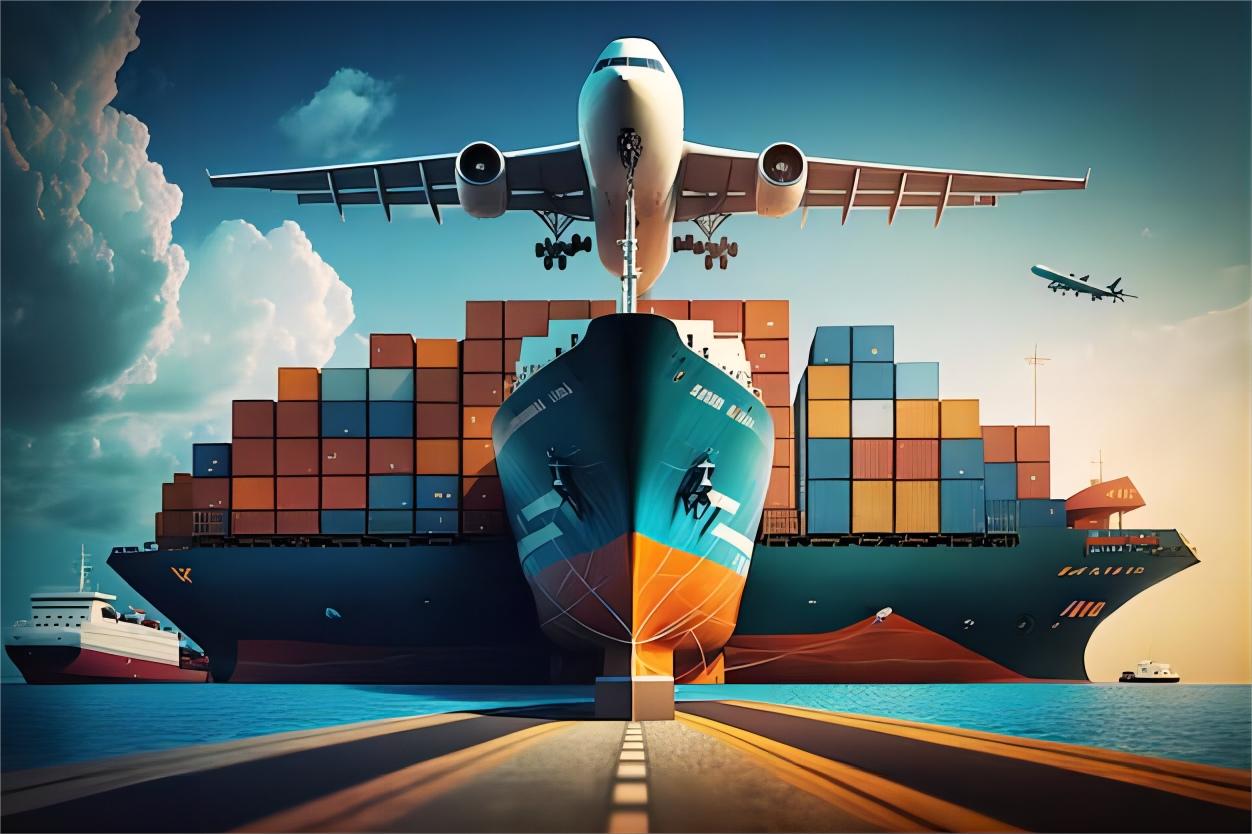
Navigating the complexities of international logistics requires a reliable partner and a transparent process. For many businesses, door to door shipping china with tracking has become the gold standard for importing goods efficiently and safely. At Freight Net China, we specialize in bridging the gap between Chinese manufacturers and global markets by providing comprehensive logistics solutions. This guide explores how you can streamline your supply chain while maintaining full visibility over your inventory during every stage of its journey.
What is Door to Door Shipping China with Tracking?
Door to door shipping is a comprehensive logistics service where the freight forwarder handles the entire process from the supplier warehouse in China to the final destination. Consequently, the importer does not need to worry about multiple intermediaries or complex port handovers. The forwarder manages the pickup, export customs, international transit, import clearance, and final mile delivery.
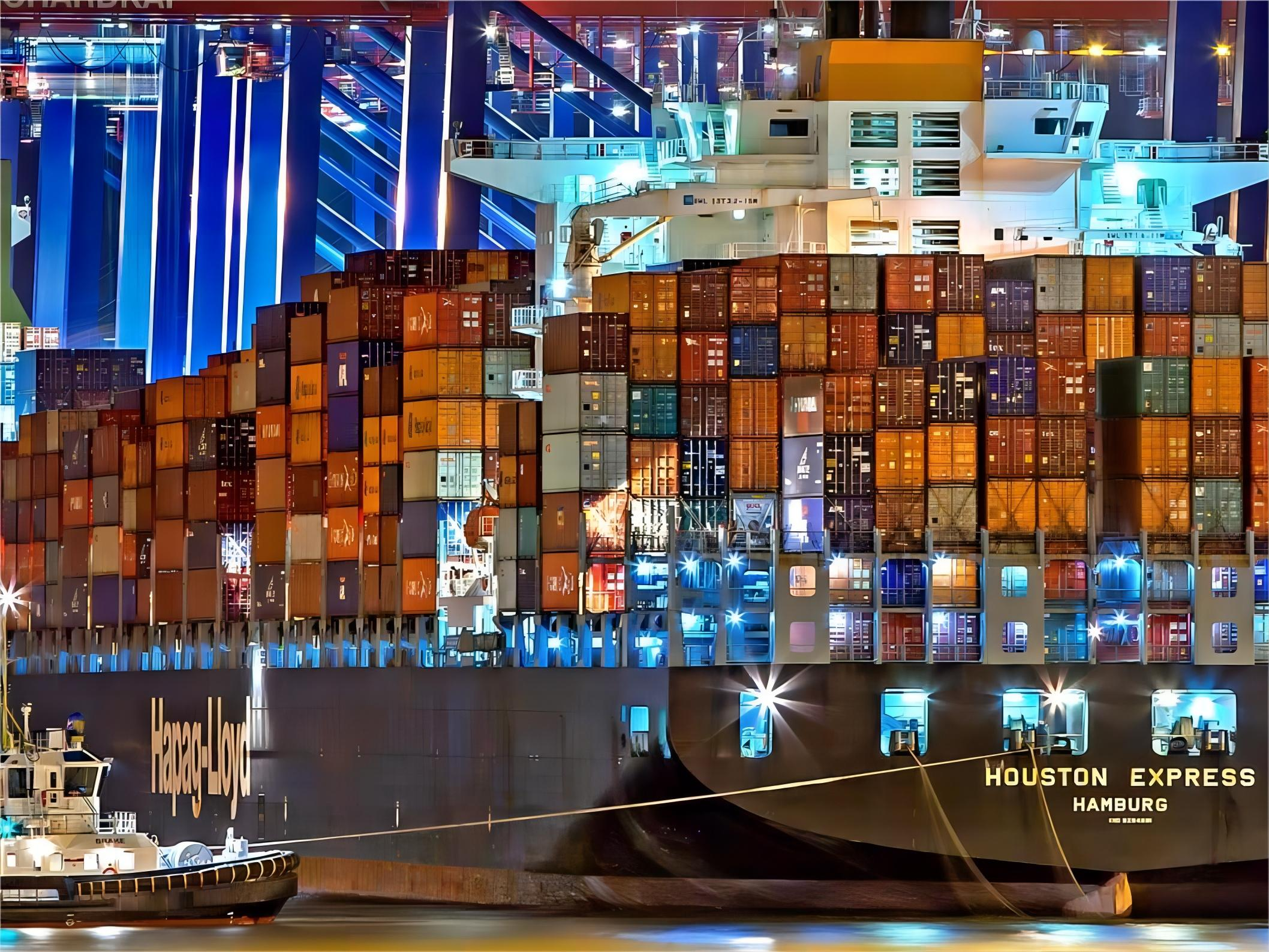
Tracking technology adds a vital layer of security and transparency to this process. Modern logistics systems allow customers to monitor their cargo in real-time using unique tracking numbers. Furthermore, this visibility helps businesses plan their inventory levels and marketing campaigns with greater precision. You can see exactly when your goods leave the factory, arrive at the port, and clear customs.
Moreover, choosing this service eliminates the hidden costs often associated with traditional port-to-port shipping. Because the service is all-inclusive, you receive a single quote that covers the entire journey. This simplicity is particularly beneficial for small to medium-sized enterprises that lack dedicated logistics departments. It truly simplifies the global trade experience for everyone involved.
Indeed, the integration of digital tracking has revolutionized the way we view international trade. Instead of wondering where a shipment might be, you receive automated updates at every milestone. This proactive approach reduces stress and allows for better communication with your own customers regarding delivery timelines.
How Does Door to Door Shipping Compare to Other Options?
Evaluating different shipping methods is essential for optimizing your logistics budget and timeline. While port-to-port services might appear cheaper initially, they often involve additional fees for trucking and handling at both ends. In contrast, door to door shipping provides a fixed price for the entire route, making budgeting much easier.
Sea freight remains the most popular choice for large volumes due to its cost-effectiveness. However, it is the slowest method available. For urgent shipments, express service offers the fastest transit times, albeit at a significantly higher price point. Each method has specific trade-offs regarding speed, cost, and cargo capacity.
Additionally, rail freight has emerged as a middle-ground solution for shipments to Europe. It is faster than sea freight and cheaper than air freight. Nevertheless, it is not an option for island nations like Australia or North American destinations. Choosing the right method depends entirely on your specific cargo requirements and deadline constraints.
| Shipping Method | Cost Range | Transit Time | Best For |
|---|---|---|---|
| Express Courier | Highest | 3-7 Days | Small parcels, samples |
| Air Freight | High | 7-12 Days | High-value, urgent goods |
| Sea Freight | Lowest | 25-45 Days | Bulk items, FCL/LCL |
| Rail Freight | Medium | 18-25 Days | Heavy loads to Europe |
The Importance of Real-Time Tracking in China Logistics
Visibility is the cornerstone of modern supply chain management. Without accurate tracking, businesses are left in the dark, unable to predict potential delays or arrival dates. Therefore, utilizing door to door shipping china with tracking ensures that you are always informed about your shipment status. This data is crucial for managing customer expectations and warehouse staffing.
Advanced tracking systems provide more than just location data. For instance, they can monitor environmental conditions like temperature or humidity for sensitive cargo. Furthermore, electronic logging helps in identifying bottlenecks in the shipping route. If a shipment is stuck at a particular port, you will know immediately and can take corrective action.
Moreover, tracking provides a verifiable paper trail for insurance and compliance purposes. In the unlikely event of a loss or damage, having a detailed history of the shipment’s movement is invaluable. Consequently, most professional freight forwarders now offer digital portals where clients can access all their shipping documents and tracking history in one place.
Without a doubt, the peace of mind provided by tracking cannot be overstated. It transforms a complex, high-stakes process into a manageable and predictable business operation. This reliability allows you to focus on growing your business rather than chasing down shipping updates.
Which Shipping Option Should You Choose?
Selecting the ideal shipping method requires a careful analysis of your cargo’s weight, volume, and urgency. For shipments weighing less than 100kg, express services are usually the most efficient. On the other hand, for larger volumes, sea freight is the most economical way to move goods across the globe.
Budget priority often leads importers toward sea freight, specifically Full Container Load (FCL) or Less than Container Load (LCL). If you have enough goods to fill a 20-foot container, FCL offers the best protection and price per unit. However, LCL is an excellent alternative for smaller shipments that do not require a full container.
Speed priority necessitates the use of air freight. While it is more expensive, the reduced transit time can be critical for seasonal products or high-demand electronics. For many businesses, a hybrid strategy works best, using sea freight for the bulk of inventory and air freight for urgent restocks.
Cargo type also plays a significant role in the decision-making process. Hazardous materials, oversized machinery, and perishable goods all require specialized handling and specific shipping routes. Accordingly, you should consult with your freight forwarder to determine the safest and most compliant method for your specific products.
Navigating Customs and Documentation Requirements
Customs clearance is often the most daunting part of international shipping. Every country has its own set of regulations, tariffs, and prohibited items. Therefore, working with a specialist in customs brokerage is highly recommended to ensure your paperwork is flawless and compliant.
Essential documents typically include the Commercial Invoice, Packing List, and Bill of Lading. Additionally, certain products may require certificates of origin or safety compliance documents. Missing or incorrect information can lead to significant delays and expensive storage fees at the port of entry.
Furthermore, understanding the Incoterms used in your contract is vital. For door to door services, DDP (Delivered Duty Paid) is often the preferred choice as the seller or forwarder handles all taxes and duties. This ensures that the final price you pay is truly the total landed cost, with no surprises upon delivery.
Consequently, a professional forwarder will pre-screen your documents before the cargo even leaves China. This proactive step minimizes the risk of inspections and ensures a smooth transition through the customs gateway. Efficient documentation is the key to maintaining a fast and reliable delivery schedule.
| Document Name | Purpose | Required By | Typical Source |
|---|---|---|---|
| Commercial Invoice | Proof of Value | Customs | Supplier |
| Packing List | Contents Detail | Carrier/Customs | Supplier |
| Bill of Lading | Title of Goods | Carrier | Freight Forwarder |
| Certificate of Origin | Duty Calculation | Customs | Chamber of Commerce |
Realistic Case Studies of Door to Door Shipping
Examining real-world scenarios helps illustrate the practical application of these shipping methods. These cases reflect typical market conditions and pricing as of late 2024 and early 2025. Each shipment faced unique challenges that were overcome through professional logistics management.
Case studies provide a benchmark for transit times and costs that you can use for your own planning. However, remember that rates fluctuate based on fuel surcharges and seasonal demand. Always request a personalized quote for the most accurate pricing information.
Case Study 1: Electronics to Los Angeles
Case Study 1: High-Value Consumer Electronics Route: Shenzhen, China Los Angeles, USA Cargo: Smart Home Devices, 5 CBM, 1200 kg Container: LCL (Less than Container Load) Shipping Details: – Carrier/Service: Major Ocean Carrier via DDP – Port of Loading: Shenzhen – Port of Discharge: Los Angeles – Route Type: Direct Cost Breakdown: – Ocean Freight: $850 – Origin Charges: $250 – Destination Charges: $400 – Customs & Duties: $1,200 – Total Landed Cost: $2,700 Timeline: – Booking to Loading: 3 days – Sea Transit: 16 days – Customs Clearance: 4 days – Total Door-to-Door: 28 days Key Insight: Using DDP simplified the process for the buyer.
Case Study 2: Apparel to Hamburg
Case Study 2: Seasonal Fashion Apparel Route: Ningbo, China Hamburg, Germany Cargo: Cotton Garments, 28 CBM Container: 20GP Full Container Shipping Details: – Carrier/Service: COSCO Shipping – Port of Loading: Ningbo – Port of Discharge: Hamburg – Route Type: Direct Cost Breakdown: – Ocean Freight: $2,100 – Origin Charges: $350 – Destination Charges: $550 – Customs & Duties: $3,400 – Total Landed Cost: $6,400 Timeline: – Booking to Loading: 5 days – Sea Transit: 32 days – Customs Clearance: 3 days – Total Door-to-Door: 45 days Key Insight: Booking 4 weeks in advance secured a lower rate.
Cost-Saving Strategies for International Shipping
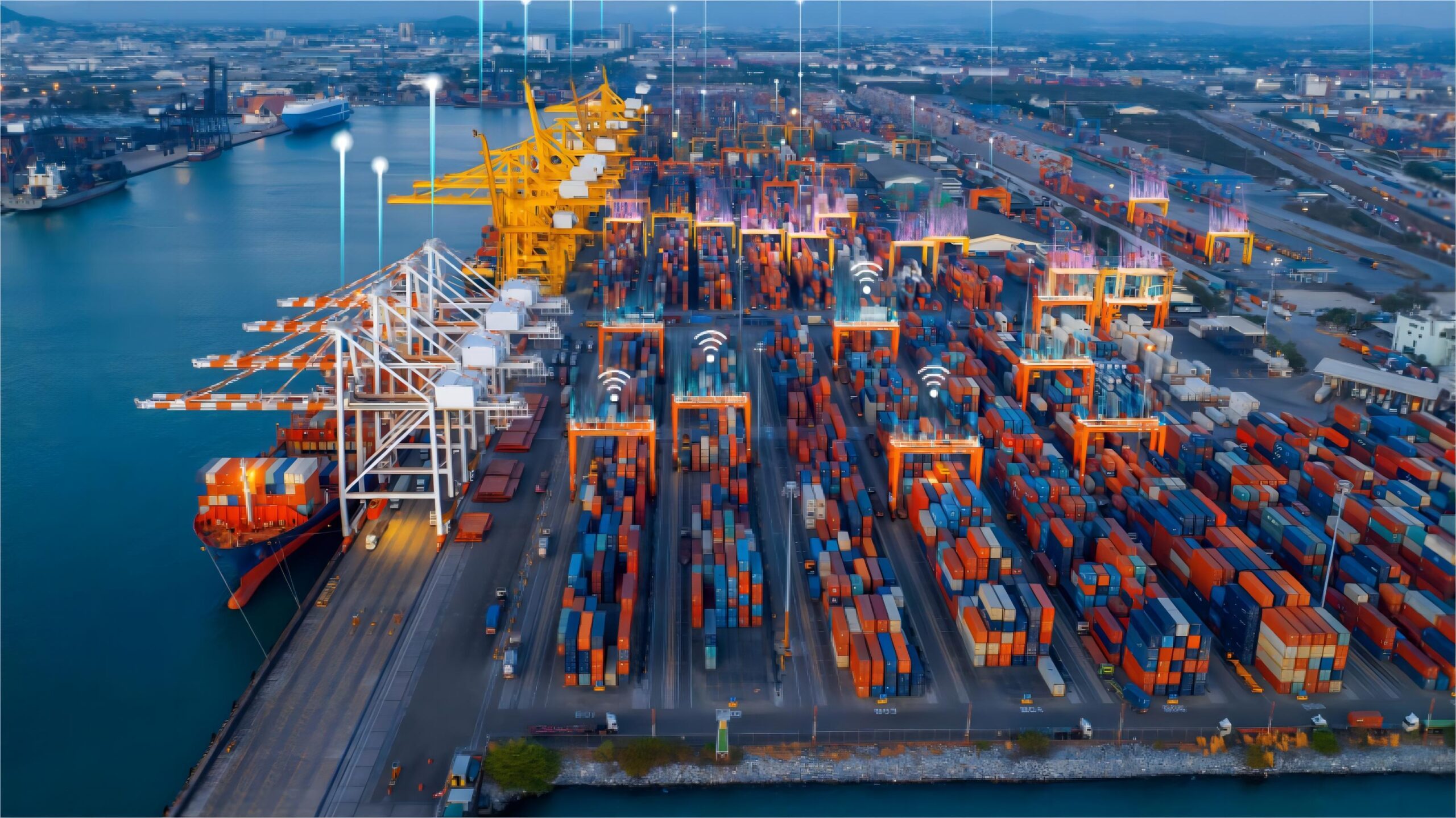
Reducing shipping costs is a priority for every business involved in international trade. One effective strategy is consolidating multiple small shipments into a single larger one. By using door to door shipping, you can often benefit from the forwarder’s ability to group cargo, reducing the price per unit.
Furthermore, optimizing your packaging can lead to significant savings. Freight rates are often calculated based on volumetric weight, so minimizing dead space in your boxes is essential. For instance, switching from oversized cartons to custom-fitted packaging can reduce your billable weight by 10-15%.
Additionally, timing your shipments can help you avoid peak season surcharges. Rates typically spike between August and October as retailers prepare for the holiday season. If your schedule allows, shipping during the off-peak months of March through May can save you hundreds of dollars per container.
Finally, always compare multiple quotes and verify what is included in the price. Some forwarders might offer a low base rate but add significant surcharges later. A transparent, all-in quote for door to door shipping china with tracking is usually the most cost-effective choice in the long run.
Mastering Your China Logistics Strategy
In conclusion, door to door shipping china with tracking offers an unparalleled combination of convenience, transparency, and efficiency. By handling the entire logistics chain, from the initial pickup to the final delivery, this service allows businesses to focus on their core operations. The addition of real-time tracking ensures that you are never left guessing about the status of your valuable cargo.
Whether you are shipping small parcels via express or large containers via sea, the principles of good logistics remain the same. Plan ahead, choose the right partner, and maintain full visibility over your supply chain. With the right approach, you can navigate the complexities of international trade with confidence and success.

Ready to streamline your logistics?
Ready to streamline your supply chain with reliable door to door shipping china with tracking? Contact our expert team today to receive a customized quote and experience hassle-free logistics from factory to doorstep. Visit our contact page to start your inquiry: See: https://freightnetchina.com/contact-us/
Request Quote