

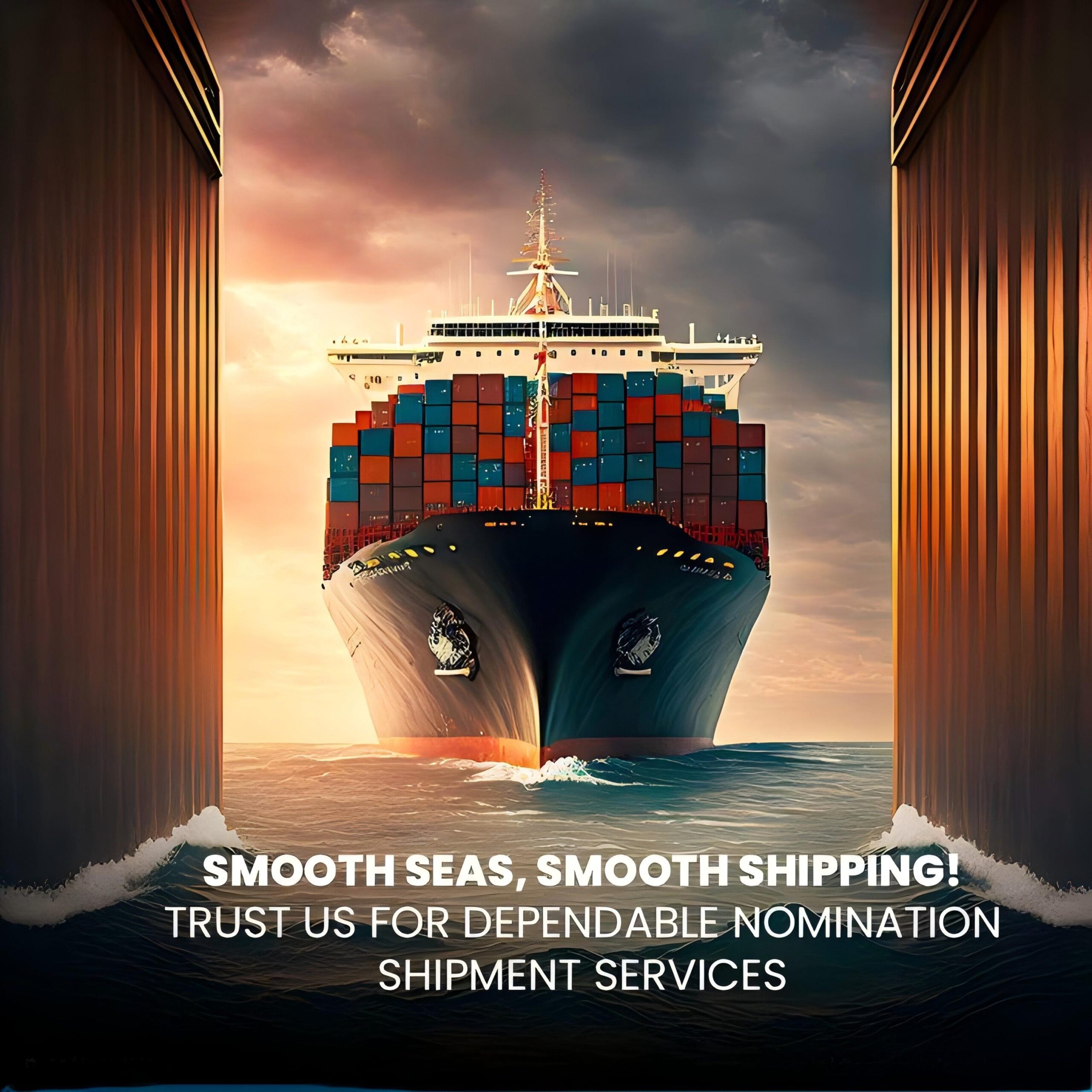
China Warehouse and Fulfillment Factory Pickup: 2026 Shipping Guide
Managing a complex global supply chain requires extreme precision, especially when you are coordinating a china warehouse and fulfillment factory pickup. Business owners often face significant challenges when trying to bridge the gap between manufacturing sites and final customers. By partnering with Freight Net China, you can streamline your logistics operations and ensure that your inventory moves seamlessly from the factory floor to our specialized storage facilities. This comprehensive guide explores how integrated fulfillment solutions can transform your import business in 2026.
What is China Warehouse and Fulfillment Factory Pickup?
China warehouse and fulfillment factory pickup refers to a logistics model where a freight forwarder or third-party logistics provider collects goods directly from the manufacturer. Instead of the factory handling the shipping to a port, the logistics provider takes control of the cargo at the source. Moreover, this method allows for immediate integration into a wider fulfillment network, where products are sorted, labeled, and prepared for international transit. Consequently, businesses gain better visibility over their inventory from the moment it leaves the production line.
Furthermore, this strategy is essential for companies utilizing e-commerce platforms or those requiring specialized handling. You can avoid the delays often associated with factory-arranged transport, which may not prioritize your specific delivery schedule. Additionally, the fulfillment center acts as a hub for quality control and consolidation, ensuring that only perfect items are shipped to your customers. Therefore, this integrated approach minimizes the risk of damaged goods and reduces the overall transit time significantly.
How Does China Warehouse and Fulfillment Factory Pickup Compare to Other Shipping Options?
Choosing the right logistics strategy depends heavily on your budget, volume, and urgency. While traditional FOB (Free on Board) shipping is common, it often leaves the buyer with less control over the inland transport phase. On the other hand, a factory pickup model provides end-to-end oversight, allowing you to manage the entire movement of goods through a single partner. Indeed, this reduces communication errors between the factory, the local trucker, and the international carrier.
To illustrate the differences, consider the cost and speed trade-offs between various methods. For instance, sea freight remains the most economical choice for large volumes, but it requires careful coordination during the pickup phase to meet vessel cut-off dates. Meanwhile, air freight offers speed but comes at a premium price. The following table provides a clear comparison of the primary shipping methods available in 2026.
| Shipping Method | Cost Range | Transit Time | Best For |
|---|---|---|---|
| Sea Freight (FCL) | $1,500 – $4,500 | 18-35 Days | Bulk Inventory |
| Air Freight | $5.00 – $9.00/kg | 3-7 Days | High Value Goods |
| Rail Freight | $2,000 – $3,500 | 15-22 Days | Europe Routes |
| Express Service | $7.00 – $12.00/kg | 2-5 Days | Small Samples |
Why Should You Utilize a China Fulfillment Center?
Utilizing a local fulfillment center in China offers unparalleled flexibility for modern retailers. Specifically, you can store your inventory closer to the source of production, which reduces the costs associated with international storage. If you are shipping to multiple countries, a central China hub allows you to split shipments and use different modes of transport based on regional demand. Consequently, you can optimize your shipping spend by only sending what is needed to high-cost destination warehouses.
Moreover, air freight from a fulfillment center can be triggered the moment an order is placed. This model supports the growing trend of dropshipping and lean inventory management. Additionally, professional fulfillment centers provide value-added services such as kitting, bundling, and white-label packaging. As a result, your brand presentation remains consistent even when products are manufactured at different factories across China.
The Logistics Process of Factory Pickup and Consolidation
The process begins with a detailed coordination between your logistics provider and the factory’s production manager. Once the goods are ready, a dedicated truck is dispatched to the factory location for immediate loading. Subsequently, the cargo is transported to a secure warehouse where it undergoes a thorough inspection. This step is vital because it identifies any discrepancies in quantity or quality before the goods leave the country of origin.
After inspection, the fulfillment team prepares the necessary documentation for export. This often involves customs brokerage services to ensure compliance with both Chinese export laws and destination import regulations. Furthermore, if you are sourcing from multiple suppliers, the warehouse consolidates these various orders into a single container. Therefore, you save money by maximizing container space and reducing the number of individual shipments you need to track.
Which Option Should You Choose for Your Business?
Deciding on the best pickup and fulfillment strategy requires an analysis of your specific business goals. If your priority is budget and you have high-volume cargo, a sea freight consolidation model is likely the most effective choice. On the other hand, if you are launching a new product and need to test the market quickly, using door to door express services from a China warehouse might be better. Indeed, the speed of delivery can often justify the higher initial shipping cost through increased customer satisfaction.
Consider the following criteria when making your decision. For urgent restocks, choose air or express. For steady supply chain flow, rail or sea freight is superior. Additionally, always factor in the complexity of your packaging requirements. If your products need assembly or specific labeling, a specialized fulfillment center in China is far more cost-effective than performing these tasks in the USA or Europe.
| Priority | Recommended Method | Typical Scenario | Key Benefit |
|---|---|---|---|
| Lowest Cost | Sea Freight | Stocking Warehouse | Max Profit Margin |
| Fastest Delivery | Air Freight | Urgent Backorders | Market Agility |
| Balanced Speed | Rail Freight | Europe Distribution | Eco-Friendly |
| Ease of Use | Door to Door | New E-com Brands | Minimal Admin |
Real-World Case Studies in China Logistics 2026
Examining real-world scenarios helps illustrate the practical benefits of a managed pickup and fulfillment strategy. In 2025 and early 2026, many businesses shifted toward this model to mitigate the volatility of global freight rates. These cases highlight how professional coordination can overcome common hurdles such as port congestion and factory delays. Below are three examples of successful shipments managed through our integrated network.
Case Study 1: Electronics Distribution to USA. Route: Shenzhen to Los Angeles. Cargo: Smart Home Devices, 12 CBM, 2800 kg. Container: LCL. Shipping Details: Collected from three different factories in Dongguan. Consolidated at Shenzhen warehouse. Ocean Freight: $2,400. Origin Charges: $450. Destination Charges: $600. Customs: $1,200. Total Landed Cost: $4,650. Timeline: 22 days door-to-door. Key Insight: Consolidation saved the client 30% compared to shipping three separate LCL lots.
Case Study 2: Fashion Apparel to Germany. Route: Ningbo to Hamburg. Cargo: Organic Cotton T-shirts, 40HQ Container. Shipping Details: Factory pickup in Zhejiang province. Rail transit via the New Silk Road. Carrier: Major Rail Operator. Cost Breakdown: Rail Freight $3,200. Documentation $200. Total Landed Cost: $3,400 (excluding duties). Timeline: 19 days. Key Insight: Rail provided a 15-day advantage over sea freight during a period of high maritime demand.

Case Study 3: Amazon FBA Restock to Australia. Route: Guangzhou to Sydney. Cargo: Kitchenware, 5 CBM, 1200 kg. Shipping Details: Amazon FBA labeling performed at Guangzhou fulfillment center. Sea Freight: $950. Total Landed Cost: $1,450. Timeline: 16 days. Key Insight: Pre-labeling at the China warehouse allowed for immediate check-in at the Sydney FBA center.
Cost-Saving Strategies for Factory Pickup
Reducing your logistics spend requires a proactive approach to how you handle china warehouse and fulfillment factory pickup. One effective method is to negotiate EXW (Ex Works) terms with your manufacturer, which allows your freight forwarder to control the inland transport costs. Frequently, factories add a significant markup to shipping costs when they handle the delivery to the port. By taking control, you ensure that you are paying market rates for trucking and handling.
Additionally, focus on packaging optimization to reduce the volumetric weight of your shipments. Since many carriers charge based on the space occupied rather than just the weight, smaller boxes can lead to massive savings over time. Moreover, try to schedule your pickups during off-peak days to avoid the premium surcharges often applied during the weekend or before major holidays like Chinese New Year. Consequently, a well-timed pickup can save you hundreds of dollars per shipment.
Note: Freight rates are subject to change based on fuel costs, carrier capacity, and seasonal demand. Contact us for a current quote tailored to your specific shipment.
Mastering Your China Logistics Strategy
Successfully navigating the complexities of international trade requires more than just finding a manufacturer; it demands a robust china warehouse and fulfillment factory pickup strategy. Throughout this guide, we have explored the various ways that factory-direct pickup and local fulfillment can reduce costs and improve delivery times. By centralizing your operations in a Chinese hub, you gain the flexibility needed to respond to changing market conditions and customer demands.
In conclusion, the logistics landscape of 2026 rewards those who take control of their supply chain from the very beginning. Whether you are shipping via sea, air, or rail, the integration of warehouse services ensures that your products are handled with care and efficiency. Partnering with an experienced freight forwarder like Freight Net China provides the expertise and infrastructure necessary to succeed in a competitive global market. Start optimizing your fulfillment process today to ensure long-term success.
Need a tailored shipping solution?
Ready to optimize your supply chain with professional china warehouse and fulfillment factory pickup? Contact Freight Net China today to receive a customized quote and discover how our integrated logistics solutions can drive your business growth in 2026. Visit our website to send an inquiry and start shipping smarter.