

China to USA Container Shipping Door Delivery: 2026 Logistics Guide
Navigating the complex world of international trade requires a reliable partner like Freight Net China to manage your logistics. Specifically, china to usa container shipping door delivery offers a seamless way to transport goods from Chinese factories directly to American warehouses. Importers often struggle with fluctuating ocean freight rates and strict customs regulations in the current 2026 market. This comprehensive guide provides the essential data and strategies you need to optimize your transpacific supply chain for maximum efficiency and cost-effectiveness.
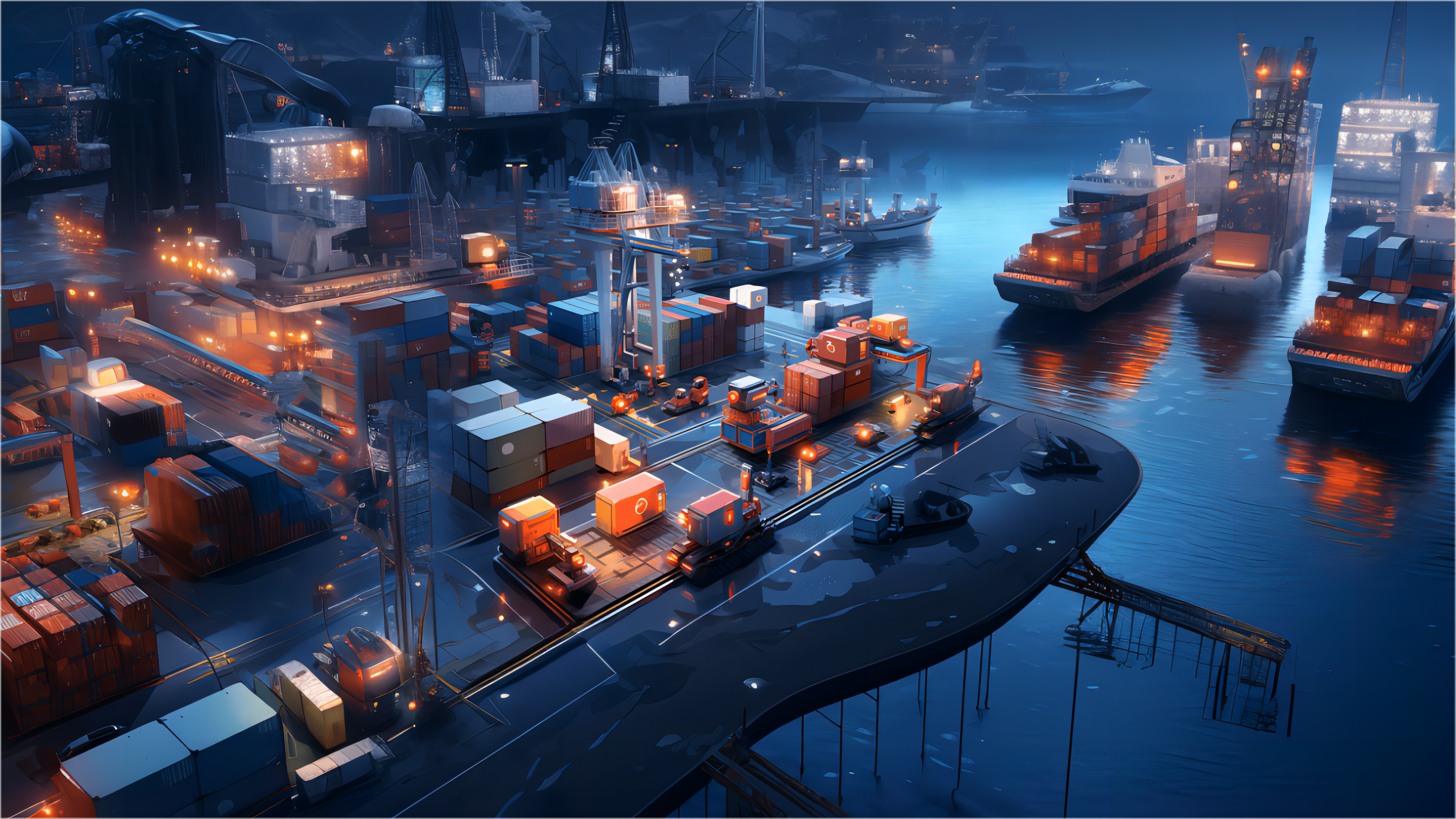
What is China to USA Container Shipping Door Delivery?
Door to door shipping represents the most convenient logistics model for modern businesses importing from Asia. This service covers the entire journey from the supplier’s door in China to the final destination in the United States. Consequently, the freight forwarder manages all intermediate steps, including local pickup, ocean transit, and final mile delivery.

Choosing this method eliminates the need for importers to coordinate with multiple vendors or handle complex port operations. Moreover, it provides a single point of contact and one comprehensive invoice for the entire movement. Businesses can focus on sales and growth while logistics experts handle the heavy lifting of international transport.
Furthermore, this service typically includes door to door management of both Full Container Load (FCL) and Less than Container Load (LCL) shipments. Whether you are moving a single pallet or twenty containers, the process remains streamlined. Ultimately, the goal is to reduce transit friction and ensure your inventory arrives safely at your doorstep.
How Does China to USA Container Shipping Door Delivery Compare to Other Options?
Evaluating different transport modes is essential for maintaining a healthy bottom line in 2026. While sea freight remains the backbone of global trade, other alternatives might suit specific urgent needs. For example, air freight provides unmatched speed but at a significantly higher price point per kilogram.
Alternatively, many businesses now explore hybrid solutions to balance cost and speed. Sea-air combinations can sometimes bypass port congestion while keeping expenses lower than pure air transport. However, for the majority of consumer goods and industrial equipment, containerized ocean shipping remains the most viable long-term strategy.
Meanwhile, express services are ideal for small samples or critical documents. These services use integrated networks to move packages in just a few days. Nevertheless, the cost per unit for large volumes makes express shipping prohibitive for standard inventory replenishment.
| Shipping Method | Cost Range | Transit Time | Best For |
|---|---|---|---|
| Sea Freight (FCL) | $2,800 – $6,000 | 18 – 35 Days | Bulk inventory |
| Sea Freight (LCL) | $80 – $150/CBM | 22 – 40 Days | Small shipments |
| Air Freight | $5.50 – $9.00/kg | 3 – 7 Days | Urgent goods |
| Express | $8.00 – $12.00/kg | 2 – 5 Days | Samples/Docs |
Which Option Should You Choose?
Budget priority dictates that you should almost always choose sea freight for shipments larger than 2 cubic meters. If your cargo volume exceeds 15 cubic meters, booking a 20GP container often becomes more economical than LCL. Conversely, very small shipments under 100kg are best handled via air freight or express courier.
Speed priority requires a shift toward air or expedited ocean services. Some carriers offer ‘fast boat’ services from Shanghai to Los Angeles that can deliver in as little as 12 days. Therefore, you must weigh the 200 percent price premium of air freight against the potential lost sales of a delayed ocean shipment.
Cargo type also influences your decision significantly. Heavy machinery and hazardous materials have specific handling requirements that often favor ocean containers. Additionally, fragile items may benefit from the reduced handling involved in FCL shipping where the container remains sealed from origin to destination.
Understanding 2026 Shipping Costs and Fees
Ocean freight rates for china to usa container shipping door delivery have stabilized in early 2026 following previous market volatility. As of Q1 2026, a 40HQ container from Shenzhen to the US West Coast typically ranges between $3,200 and $4,500. Shipping to the East Coast remains more expensive due to longer transit times and canal fees.
In addition to the base ocean freight, you must account for various surcharges and local fees. These include Terminal Handling Charges (THC), documentation fees, and the Automated Manifest System (AMS) filing fee. Furthermore, fuel surcharges can fluctuate monthly based on global oil prices, impacting your total landed cost.
Customs duties and taxes represent a significant portion of your final expenditure. The US Customs and Border Protection (CBP) calculates these based on the Harmonized Tariff Schedule (HTS) code of your products. Industry average data suggests that importers should budget an additional 5 to 25 percent of the cargo value for duties and processing fees.
| Route | 20GP Container | 40HQ Container | Transit Time |
|---|---|---|---|
| China to US West Coast | $2,200 – $3,000 | $3,200 – $4,500 | 14-18 Days |
| China to US East Coast | $3,500 – $4,800 | $5,000 – $6,500 | 28-35 Days |
| China to US Midwest | $4,000 – $5,500 | $5,800 – $7,200 | 22-30 Days |
Transit Times for US Door Delivery
Shipping duration varies greatly depending on the specific US region and the chosen port of entry. Shipments to North America usually arrive at West Coast ports like Los Angeles or Long Beach first. From there, trucking or rail transport moves the cargo to inland destinations.
Indeed, the total door-to-door timeline includes more than just the time spent on the water. You must account for 3 to 5 days of origin handling and 3 to 7 days for customs clearance and final delivery. Consequently, a typical shipment to California might take 22 days total, while a delivery to New York could take 40 days.
Seasonal patterns also affect these schedules. During the peak season from August to October, port congestion can add 5 to 10 days to the standard delivery window. Therefore, planning your inventory arrivals at least two months in advance is a critical strategy for avoiding stockouts.
Essential Customs Documentation and Brokerage
Navigating US customs requires meticulous attention to detail and accurate paperwork. You must ensure that your commercial invoice, packing list, and bill of lading are perfectly aligned. Any discrepancies in weight, value, or description can lead to expensive delays or cargo seizures by federal authorities.
Moreover, every ocean shipment to the US requires an Importer Security Filing (ISF), also known as 10+2. This must be filed at least 24 hours before the vessel departs from the last foreign port. Failure to comply with ISF regulations results in automatic fines of $5,000 per violation.
Utilizing a professional customs brokerage service is highly recommended for all commercial importers. A licensed broker can help you navigate anti-dumping duties, Section 301 tariffs, and other trade barriers. Ultimately, their expertise ensures that your china to usa container shipping door delivery meets all legal requirements without unnecessary costs.
Real-World Case Studies for US Door Delivery
Case Study 1: Electronics from Shenzhen to Los Angeles. Route: Shenzhen to Los Angeles. Cargo: Consumer Electronics, 65 CBM, 12,000 kg. Container: 40HQ. Shipping Details: Carrier: COSCO. Port of Loading: Shenzhen. Port of Discharge: Los Angeles. Route Type: Direct. Cost Breakdown: Ocean Freight: $3,850. Origin Charges: $450. Destination Charges: $850. Customs and Duties: $4,200. Total Landed Cost: $9,350. Timeline: Booking to Loading: 4 days. Sea Transit: 15 days. Customs Clearance: 2 days. Total Door-to-Door: 21 days. Key Insight: Direct routing and early ISF filing prevented any delays during the 2026 peak season.
Case Study 2: Furniture from Ningbo to Savannah. Route: Ningbo to Savannah. Cargo: Wooden Furniture, 28 CBM, 8,500 kg. Container: 20GP. Shipping Details: Carrier: Maersk. Port of Loading: Ningbo. Port of Discharge: Savannah. Route Type: Via Panama Canal. Cost Breakdown: Ocean Freight: $4,200. Origin Charges: $400. Destination Charges: $950. Customs and Duties: $1,200. Total Landed Cost: $6,750. Timeline: Booking to Loading: 5 days. Sea Transit: 32 days. Customs Clearance: 3 days. Total Door-to-Door: 45 days. Key Insight: Using an East Coast port directly saved significant inland trucking costs compared to railing from the West Coast.
Case Study 3: Industrial Parts from Shanghai to Chicago. Route: Shanghai to Chicago. Cargo: Steel Components, 8 CBM, 2,500 kg. Container: LCL. Shipping Details: Carrier: Major Consolidation Service. Port of Loading: Shanghai. Port of Discharge: Los Angeles (then Rail to Chicago). Route Type: Intermodal. Cost Breakdown: Ocean Freight: $960. Origin Charges: $250. Destination Charges: $1,100. Customs and Duties: $800. Total Landed Cost: $3,110. Timeline: Booking to Loading: 6 days. Sea Transit: 18 days. Rail and Trucking: 10 days. Total Door-to-Door: 38 days. Key Insight: LCL was the most cost-effective choice for this volume, despite higher destination handling fees.

How to Reduce Your Total Landed Cost
Consolidating shipments is one of the most effective ways to lower your per-unit shipping cost. If you buy from multiple suppliers in China, use a freight forwarder to combine these into a single FCL shipment. This reduces the high fixed costs associated with LCL handling and multiple customs entries.
Additionally, optimize your packaging to maximize container space. Even a small reduction in box dimensions can allow you to fit more units into a 40HQ container, effectively lowering the freight cost per item. Furthermore, negotiate Incoterms like FOB (Free on Board) to maintain better control over the ocean freight carrier and pricing.
Note: Freight rates are subject to change based on fuel costs, carrier capacity, and seasonal demand. Contact us for a current quote tailored to your specific shipment.
Mastering Your US Import Strategy
Successfully managing china to usa container shipping door delivery requires a balance of strategic planning and expert execution. By understanding the nuances of FCL and LCL options, you can make informed decisions that protect your profit margins. Moreover, staying informed about 2026 market trends and customs requirements allows you to avoid common pitfalls in international logistics.
Reliable freight forwarding remains the most critical component of a successful import business. Whether you are shipping electronics, furniture, or industrial parts, a dedicated door-to-door service provides the peace of mind you need. Ultimately, consistent communication and accurate documentation will ensure your goods reach the American market efficiently.

Need a tailored shipping solution?
Streamline your supply chain today with professional china to usa container shipping door delivery services. Our team provides transparent pricing, real-time tracking, and expert customs support to ensure your cargo arrives on time. Contact us now to request a customized freight quote for your next shipment. Send Inquiry: Visit freightnetchina.com/contact/