

China to Canada Shipping Mexico: Logistics Routes and Cost Guide
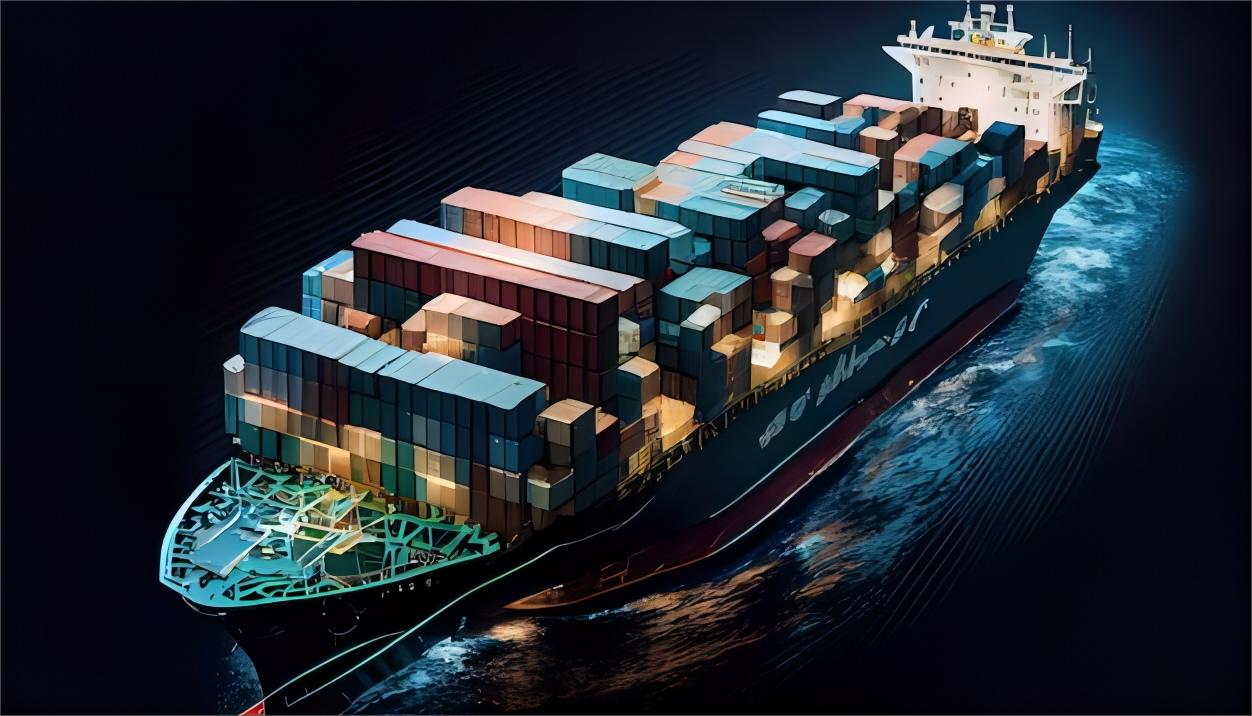
Managing china to canada shipping mexico requires a sophisticated understanding of trans-Pacific trade lanes and North American inland infrastructure. Many businesses now explore Mexican transshipment as a strategic alternative to bypass traditional West Coast port congestion and optimize their supply chain efficiency. This comprehensive guide details how to navigate these complex routes while ensuring your cargo reaches its final Canadian destination safely and cost-effectively.

Understanding the China to Canada Shipping Mexico Logistics Network
Shipping goods from China to Canada via Mexico is an increasingly popular multi-modal strategy for global importers. This route typically involves ocean transit to major Mexican ports like Manzanillo or Lazaro Cardenas followed by rail or truck transport northward.
Furthermore, this approach allows companies to leverage the United States-Mexico-Canada Agreement (USMCA) frameworks when applicable. Consequently, businesses can sometimes find more flexible scheduling options compared to direct routes into Vancouver or Prince Rupert.
Moreover, the integration of Mexican logistics hubs provides a buffer against labor strikes or bottlenecks at traditional North American gateways. Therefore, diversifying your entry points into the continent is a prudent risk management strategy for modern supply chains.
Additionally, choosing sea freight for the primary leg of this journey ensures that high-volume shipments remain economically viable. Most freight forwarders recommend this route for non-urgent, high-density commodities.
Why Consider Transshipment via Mexico for Canada Shipments?
Mexican ports offer significant geographic advantages for reaching central and eastern Canadian markets through established rail corridors. While direct shipping to Canada is common, the Mexican route serves as a vital alternative during peak seasons when Canadian ports face extreme pressure.
Indeed, the transit time from China to Mexico is often comparable to US West Coast arrivals, providing a seamless transition into the North American rail network. As a result, shippers can maintain a steady flow of inventory without relying on a single point of failure.
Nevertheless, navigating the regulatory environment of three different nations requires expert coordination and precise documentation. Specifically, you must ensure that your cargo complies with Mexican transit laws before it moves toward the Canadian border.
Reliable North America logistics partners can help bridge the gap between Chinese manufacturers and Canadian retailers. Without a doubt, professional oversight is necessary to manage the hand-offs between ocean carriers and inland transportation providers.
How Does China to Canada Shipping Mexico Compare to Other Shipping Options?
Objective analysis reveals that while direct sea freight to Vancouver is the fastest maritime route, it is also the most prone to localized disruptions. In contrast, routing through Mexico adds mileage but offers different labor markets and infrastructure capacities.
For example, air freight remains the premium choice for urgent electronics or fashion items, but it carries a price tag ten times higher than ocean-based solutions. Meanwhile, rail-sea combinations through Mexico provide a middle ground for cost and reliability.
To summarize, the best choice depends on your specific cargo volume and required delivery window. The following table provides a clear comparison of the primary methods available for this route.
| Shipping Method | Cost Range (USD) | Transit Time | Best For |
|---|---|---|---|
| Direct Sea to Canada | $2,200 – $3,800 | 18-25 Days | Bulk Goods |
| Mexico Transshipment | $2,800 – $4,500 | 30-40 Days | Congestion Bypass |
| Expedited Air Freight | $12,000 – $18,000 | 5-8 Days | High-Value Items |
| LCL (Less Container) | $150 – $300/CBM | 25-35 Days | Small Batches |
Which Option Should You Choose for Your Business?
Budget priority dictates that you should stick to FCL (Full Container Load) direct shipping whenever port conditions are stable. However, if your warehouse is located in Southern Ontario or Quebec, the rail connections from Mexico might offer surprising efficiency.
Speed priority always points toward air freight or specialized express services. For instance, if a production line is down in Toronto, the extra cost of air transport is negligible compared to the cost of lost manufacturing time.
Cargo type considerations play a massive role in the final decision. Heavy machinery is best suited for ocean freight via Mexico, whereas perishable goods require the shortest possible transit times regardless of the route.
Volume thresholds often determine when it is time to switch from LCL to FCL. Generally, once your shipment exceeds 15 cubic meters, booking a 20-foot container becomes more economical than paying per-cubic-meter rates.
Navigating Customs and Documentation in a Tri-Nation Strategy
Importing goods through Mexico destined for Canada requires a robust understanding of bonded transit procedures. Because the goods are not staying in Mexico, they must move under a ‘transito’ status to avoid local Mexican duties and taxes.
Effective customs brokerage is the most critical component of this logistics chain. Your broker must manage the discharge in Mexico, the transit through the USA (if applicable), and the final entry into Canada.
Standard documentation includes the Commercial Invoice, Bill of Lading, and a detailed Packing List. Additionally, a Certificate of Origin may be required to verify the manufacturing source and determine the applicable tariff rates under Canadian law.
Presently, market data suggests that documentation errors cause over 40% of delays in cross-border shipping. Therefore, verifying every detail before the vessel leaves the Chinese port is essential for maintaining your delivery schedule.
Realistic Case Studies for North American Routes
Examining real-world scenarios helps clarify the costs and timelines associated with these complex logistics paths. These cases reflect typical market conditions as of early 2025 and highlight the trade-offs involved in different shipping strategies.
Case Study 1: Industrial Equipment Shenzhen to Toronto via Manzanillo. Route: Shenzhen, China to Toronto, Canada. Cargo: Industrial CNC Machinery, 22 CBM, 8,500 kg. Container: 40GP. Shipping Details: Carrier: COSCO. Port of Loading: Shenzhen. Port of Discharge: Manzanillo, Mexico. Route Type: Transshipment via Rail to Laredo then Truck to Toronto. Cost Breakdown: Ocean Freight: $3,200. Origin Charges: $450. Destination/Transit Charges: $1,800. Customs & Duties: $900. Total Landed Cost: $6,350. Timeline: Booking to Loading: 5 days. Sea Transit: 22 days. Customs & Rail: 12 days. Total Door-to-Door: 39 days. Key Insight: Bypassing Vancouver saved the client 10 days of port waiting time during the Q4 peak season.
Case Study 2: Consumer Electronics Ningbo to Vancouver Direct. Route: Ningbo, China to Vancouver, Canada. Cargo: Smartphone Accessories, 5 CBM. Container: LCL. Shipping Details: Carrier: Maersk. Port of Loading: Ningbo. Port of Discharge: Vancouver. Route Type: Direct. Cost Breakdown: Ocean Freight: $850. Origin Charges: $200. Destination Charges: $400. Customs & Duties: $1,200. Total Landed Cost: $2,650. Timeline: Booking to Loading: 3 days. Sea Transit: 16 days. Customs Clearance: 4 days. Total Door-to-Door: 23 days. Key Insight: Direct shipping remains the most cost-effective for smaller LCL shipments when port congestion is manageable.
Note: Freight rates are subject to change based on fuel costs, carrier capacity, and seasonal demand. Contact us for a current quote tailored to your specific shipment.

Strategies to Reduce Your Total Landed Cost
Reducing costs in the china to canada shipping mexico corridor requires a proactive approach to supply chain optimization. One effective method is to consolidate multiple smaller shipments into a single full container in China before dispatch.
Alternatively, optimizing your packaging can significantly reduce the total volume of your cargo. Since many freight rates are calculated based on dimensions, smaller boxes lead directly to lower ocean and inland transport invoices.
Choosing door to door services can also eliminate hidden fees often associated with managing multiple individual contractors. A single provider offers better visibility and usually negotiates better rates with carriers due to their high volume.
Finally, timing your shipments to avoid the pre-Chinese New Year rush can save you up to 30% on freight premiums. Planning your inventory cycles around these seasonal fluctuations is a hallmark of a mature and efficient logistics strategy.
Mastering Your North American Supply Chain
Successfully navigating china to canada shipping mexico involves a careful balance of cost, speed, and reliability. By understanding the various transshipment options and leveraging Mexican ports, you can build a more resilient supply chain that withstands global disruptions.
Always remember that the cheapest route is not always the most efficient if it leads to significant delays. Work with experienced freight forwarders to ensure your documentation is flawless and your cargo moves through borders without unnecessary friction. Start planning your next shipment today to stay ahead of market trends.

Ready to streamline your logistics?
Optimizing your china to canada shipping mexico route requires expert guidance and reliable partners. Whether you need expedited air freight or cost-effective sea solutions, our team is ready to streamline your North American logistics. Visit Freight Net China today to request a personalized quote and secure your 2025 shipping schedule. Send Inquiry: Visit freightnetchina.com to get started.
Request Quote