

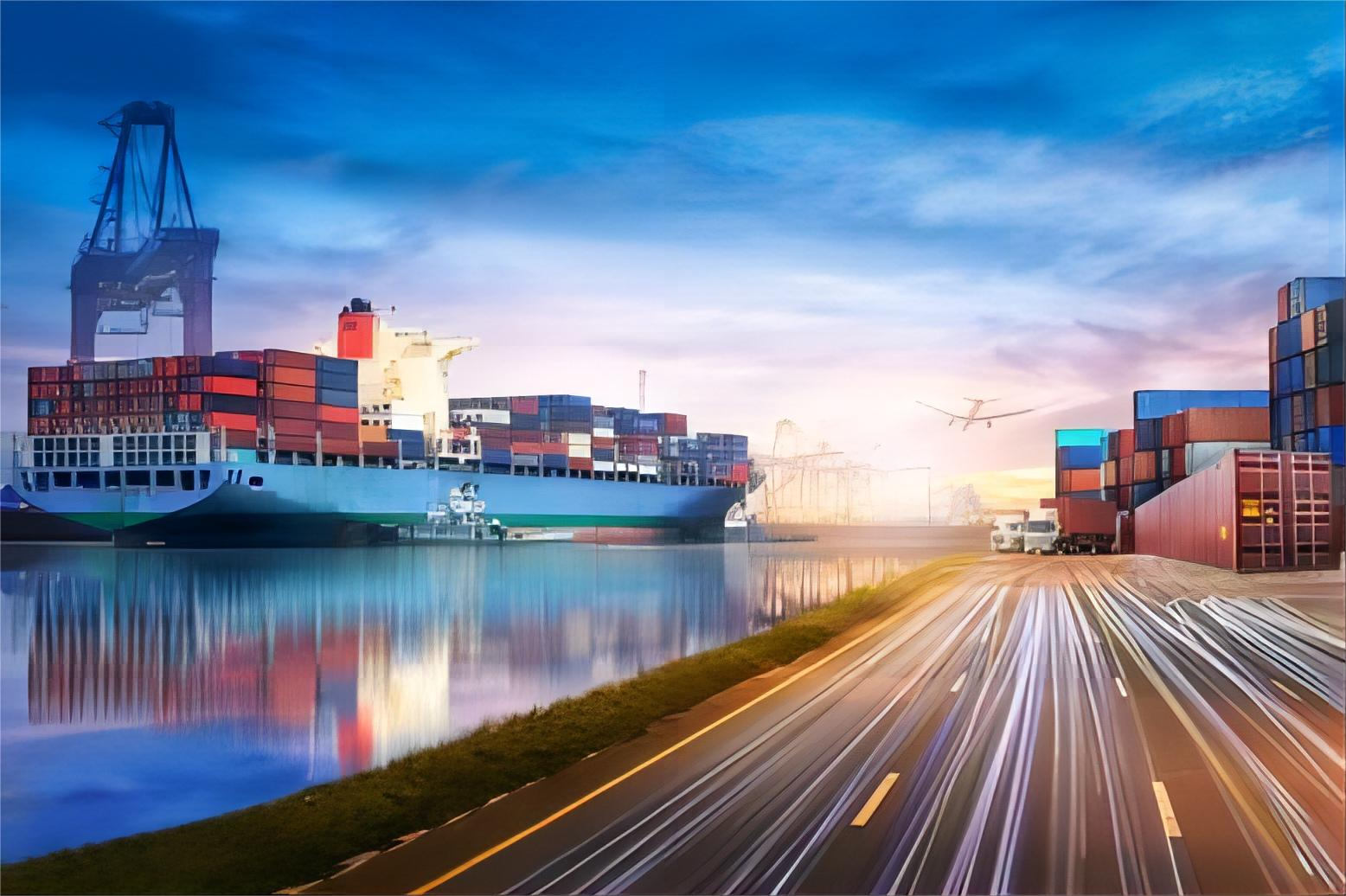
China to Australia FBA Sea Freight Container Cost Guide 2026
“Optimizing your logistics strategy is essential for any Amazon seller scaling their business in the Oceania market. To get started, you can explore professional logistics solutions at Freight Net China. Understanding the nuances of China to Australia FBA sea freight container cost is the first step toward maintaining healthy profit margins while ensuring timely inventory replenishment.”
Understanding China to Australia FBA Sea Freight Container Cost Factors
❖Several variables influence the final price of your shipment from China to Australia. Primarily, freight rates fluctuate based on fuel surcharges, seasonal demand, and overall carrier capacity.
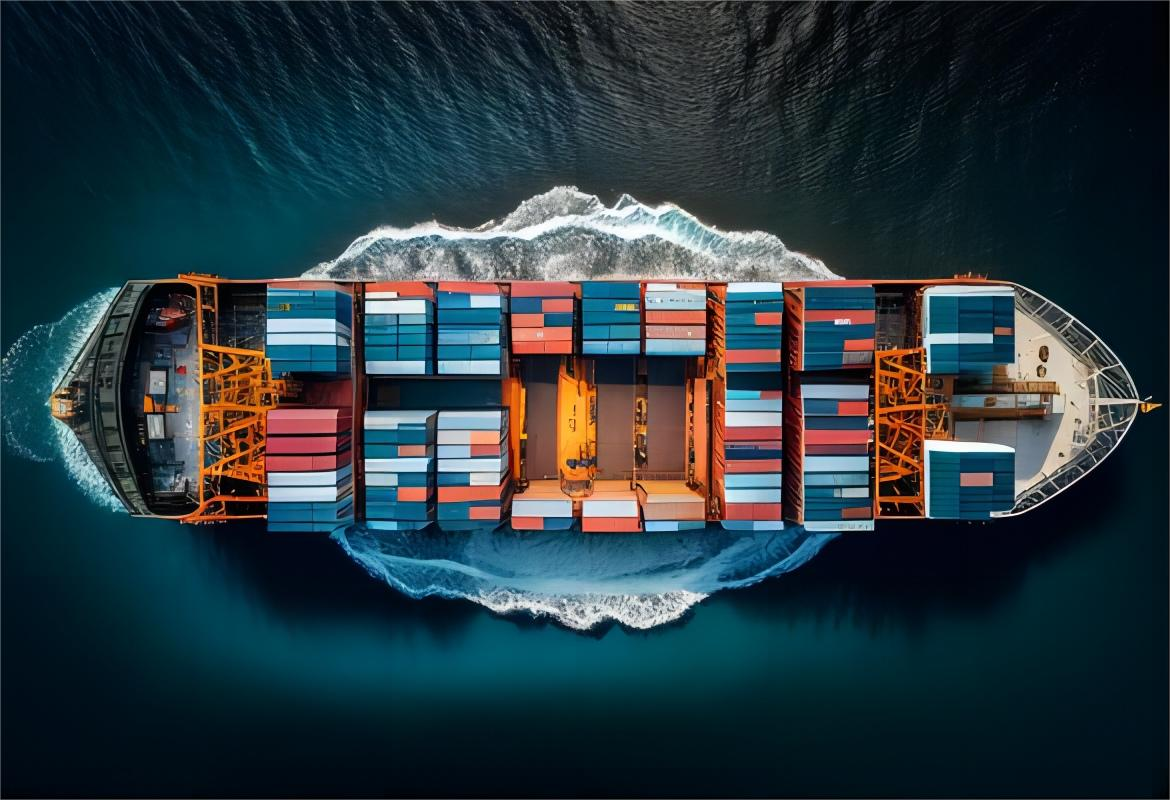
Furthermore, choosing between FCL and LCL shipping significantly impacts your budget. While FCL offers exclusive container use, LCL allows for cost-sharing among multiple shippers.
Additionally, you should prioritize efficient sea freight planning to avoid peak season surcharges. Proper documentation is also critical to prevent unexpected storage fees at the port of discharge.
Note: Freight rates are subject to change based on fuel costs, carrier capacity, and seasonal demand. Contact us for a current quote tailored to your specific shipment.
| Container Type | Typical Cost Range | Transit Time | Best For |
|---|---|---|---|
| 20GP | $800 – $1,200 | 12-18 Days | Small Stock |
| 40GP | $1,200 – $1,600 | 12-18 Days | Medium Inventory |
| 40HQ | $1,400 – $2,000 | 12-18 Days | High Volume |
How Does Sea Freight Compare to Other Shipping Options?
❖When evaluating your logistics strategy, it is vital to compare all available methods. While sea freight remains the most cost-effective for large volumes, air freight is superior for time-sensitive stock.
For instance, air freight provides rapid delivery but at a much higher price point. On the other hand, door to door services streamline the entire process by handling customs and last-mile delivery.
Moreover, specialized Amazon FBA services ensure your goods meet strict warehouse requirements. If you require complex documentation support, consider our customs brokerage experts to mitigate risks.
| Method | Cost | Speed | Best For |
|---|---|---|---|
| Sea | Low | Slow | Bulk FBA |
| Air | High | Fast | Restocking |
| Express | Very High | Urgent | Samples |
Final Thoughts on Shipping Efficiency
Securing the best China to Australia FBA sea freight container cost requires a balance of planning, carrier selection, and market awareness. By staying informed on 2026 logistics trends, you can effectively manage your inventory and keep your Amazon business profitable.
Remember that consistent communication with your freight forwarder is the key to success. Start your journey toward seamless shipping by partnering with professionals who understand the specific demands of the Australia trade route.
Ready to streamline your logistics?
Ready to optimize your supply chain? Contact our team today to request a custom quote for your next shipment. Let us help you navigate the complexities of shipping from China to Australia with competitive rates and professional support.
Request Quote