

China Supplier Freight Forwarding Custom Clearance: 2026 Strategy Guide
Navigating the complexities of international trade requires a robust strategy for china supplier freight forwarding custom clearance. At Freight Net China, we provide comprehensive logistics solutions that bridge the gap between Chinese manufacturers and global markets. Consequently, businesses can focus on growth while we manage the intricate details of supply chain optimization and regulatory compliance.
How Does China Supplier Freight Forwarding Custom Clearance Compare to Other Shipping Options?
Evaluating different transportation modes is essential for maintaining a competitive edge in the 2026 market. While sea freight remains the most cost-effective choice for high-volume shipments, it requires longer lead times. Meanwhile, businesses often turn to air transport when speed is the primary priority for high-value goods.
Moreover, the emergence of multi-modal solutions has provided importers with flexible alternatives that balance cost and speed. For instance, combining rail and sea transport can significantly reduce transit times compared to traditional ocean routes. Therefore, understanding the specific trade-offs of each method is vital for effective supply chain management.
| Shipping Method | Cost Range | Transit Time | Best For | Limitations |
|---|---|---|---|---|
| Sea Freight (FCL) | $2,500 – $4,500 | 25-40 Days | Large volumes | Slow transit |
| Air Freight | $5.00 – $9.00/kg | 3-7 Days | Urgent cargo | High cost |
| Rail Freight | $1.50 – $2.50/kg | 15-22 Days | Mid-range budget | Limited to Eurasia |
| Express Courier | $8.00 – $15.00/kg | 2-5 Days | Small samples | Expensive for bulk |
What are the Core Responsibilities of a China Supplier Freight Forwarding Custom Clearance Agent?
A professional agent manages the entire lifecycle of a shipment, from the factory floor to the final destination. Initially, they coordinate with the manufacturer to ensure the cargo is ready for pickup and properly packed. Furthermore, they handle the booking of space with major carriers to secure competitive freight rates.
Customs compliance represents another critical pillar of their service offering. Indeed, an experienced customs brokerage team ensures that all HS codes are accurate to avoid unnecessary delays or penalties. Consequently, the importer avoids the pitfalls of incorrect tariff classifications and non-compliance with local regulations.
Essential Documentation for Seamless Customs Clearance
Accurate paperwork is the foundation of a successful import operation. For example, the Bill of Lading serves as both a receipt for the goods and a contract of carriage. Additionally, the Commercial Invoice must clearly state the value of the goods for tax and duty calculations.
Nevertheless, many importers overlook the importance of the Packing List, which provides detailed information about the contents of each carton. Without this document, customs officials may hold the shipment for a physical inspection. Therefore, maintaining a meticulous digital archive of all documents is highly recommended for audit purposes.
| Document Name | Purpose | Issuer | Criticality |
|---|---|---|---|
| Commercial Invoice | Duty valuation | Supplier | High |
| Bill of Lading | Title of goods | Carrier | High |
| Packing List | Cargo inspection | Supplier | Medium |
| CO (Origin) | Tariff preference | Chamber of Commerce | Medium |
Why Choose Door to Door Logistics for Your China Shipments?
Selecting a Door to Door service eliminates the need for the importer to manage multiple logistics providers. In this model, the forwarder takes full responsibility for every leg of the journey, including local trucking in China and final delivery in the destination country. Consequently, this approach reduces the risk of communication breakdowns.
Furthermore, integrated logistics solutions often provide better visibility through advanced tracking systems. As a result, businesses can accurately predict delivery schedules and manage their inventory levels more effectively. Indeed, the convenience of a single point of contact often outweighs the slightly higher service fees associated with comprehensive solutions.
Navigating Air and Rail Freight Options in 2026
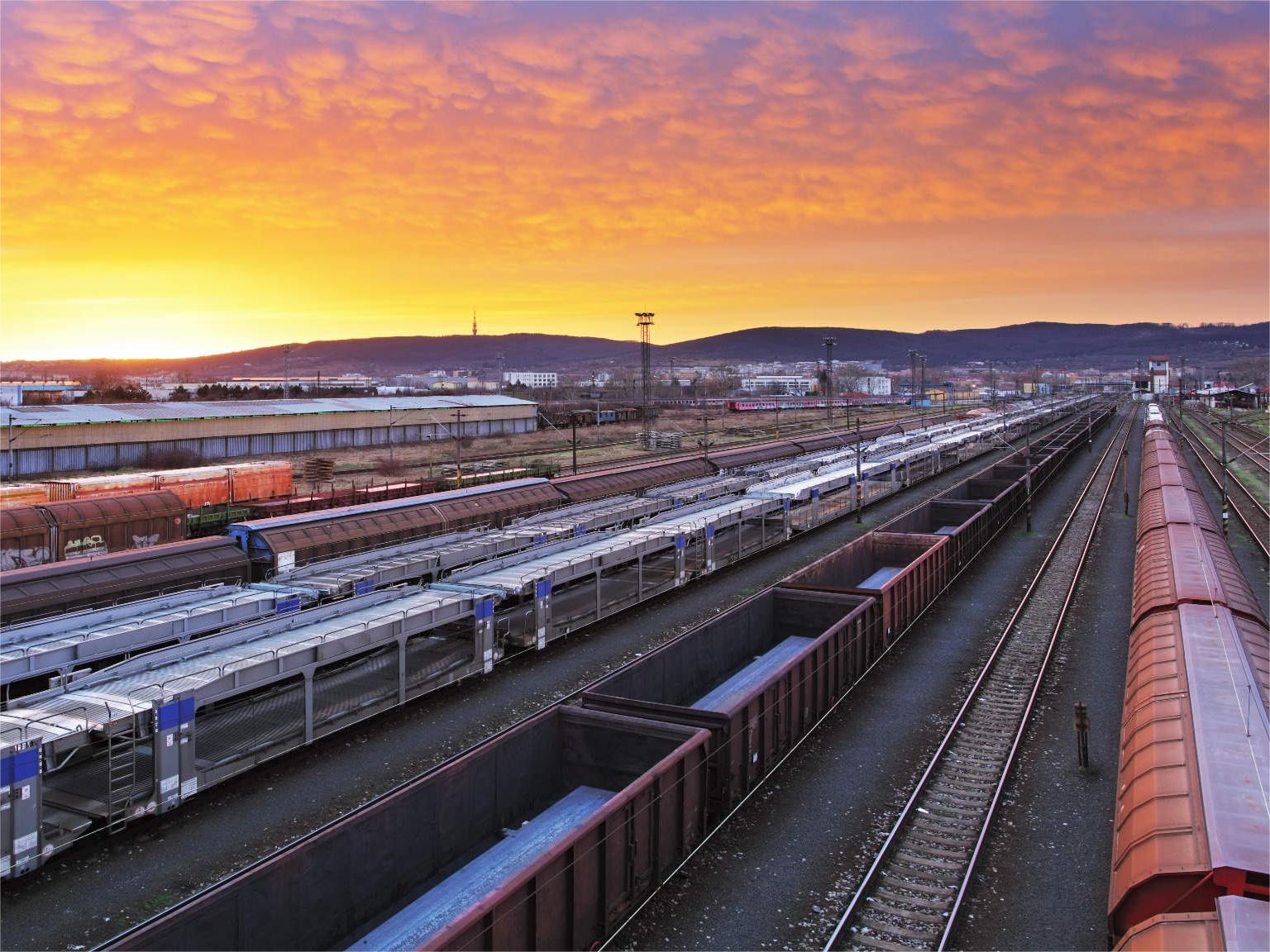
As of early 2026, air freight remains the gold standard for time-sensitive electronics and seasonal fashion items. Although the costs are higher, the rapid turnover allows businesses to respond quickly to market trends. Meanwhile, rail freight continues to gain popularity for shipments moving from China to Central Asia and Europe.
Rail transport offers a unique middle ground, providing faster speeds than sea freight at a fraction of the cost of air transport. However, it is important to note that rail options are not available for routes to Australia or North America. Therefore, importers must select their transport mode based on the specific geographical constraints of their destination.
Which Option Should You Choose? A Decision Framework
Determining the best shipping strategy depends on your budget, timeline, and cargo characteristics. If your primary goal is cost reduction and you have a flexible schedule, sea freight is the logical choice. In contrast, if you are shipping perishable goods or high-value components, air freight is the necessary investment.
For those utilizing e-commerce platforms, specialized Amazon FBA services can streamline the process of sending goods directly to fulfillment centers. This ensures that your products meet strict labeling and packaging requirements before they even leave China. Consequently, you can avoid costly rejection fees at the destination warehouse.
Real-World Case Studies in China Supplier Freight Forwarding Custom Clearance
Case Study 1: Large Scale Industrial Equipment Route: Shanghai, China to Rotterdam, Netherlands Cargo: Industrial CNC Machinery, 28 CBM, 12,500 kg Container: 40GP Shipping Details: – Carrier/Service: COSCO Direct – Port of Loading: Shanghai – Port of Discharge: Rotterdam – Route Type: Direct Cost Breakdown: – Ocean Freight: $3,250 – Origin Charges: $450 – Destination Charges: $600 – Customs & Duties: $1,200 – Total Landed Cost: $5,500 Timeline: – Booking to Loading: 4 days – Sea Transit: 33 days – Customs Clearance: 2 days – Total Door-to-Door: 39 days Key Insight: Using a direct route minimized handling risks for sensitive machinery.
Case Study 2: Urgent Consumer Electronics Route: Shenzhen, China to Los Angeles, USA Cargo: Smart Home Devices, 4 CBM, 850 kg Container: LCL via Air Shipping Details: – Carrier/Service: Major Air Carrier – Port of Loading: Shenzhen Airport – Port of Discharge: LAX Airport – Route Type: Direct Cost Breakdown: – Air Freight: $4,600 – Origin Charges: $200 – Destination Charges: $350 – Customs & Duties: $950 – Total Landed Cost: $6,100 Timeline: – Booking to Loading: 1 day – Air Transit: 2 days – Customs Clearance: 1 day – Total Door-to-Door: 4 days Key Insight: High-value electronics justified the premium cost of air freight to meet a product launch deadline.
Case Study 3: Furniture Wholesale Order Route: Ningbo, China to Melbourne, Australia Cargo: Outdoor Furniture, 15 CBM, 3,200 kg Container: 20GP Shipping Details: – Carrier/Service: Maersk – Port of Loading: Ningbo – Port of Discharge: Melbourne – Route Type: Direct Cost Breakdown: – Ocean Freight: $1,150 – Origin Charges: $300 – Destination Charges: $500 – Customs & Duties: $800 – Total Landed Cost: $2,750 Timeline: – Booking to Loading: 3 days – Sea Transit: 18 days – Customs Clearance: 3 days – Total Door-to-Door: 24 days Key Insight: Consolidating items into a 20GP container was more economical than LCL for this volume.
Market Intelligence and Freight Rate Trends for 2026
As of Q1 2026, freight rates from China have stabilized following the global logistics shifts of the previous year. However, seasonal patterns still dictate pricing, with rates typically increasing by 15-25% during the peak season from August to October. Consequently, savvy importers often book their shipments several weeks in advance to lock in lower rates.
Moreover, the industry is seeing a shift toward greener logistics, with many carriers introducing carbon-offsetting programs. While these initiatives may add a small surcharge to the freight bill, they help businesses meet their sustainability goals. Therefore, staying informed about these trends is essential for long-term supply chain planning.
Mastering Your China Logistics Strategy
To summarize, successful china supplier freight forwarding custom clearance requires a combination of strategic planning, accurate documentation, and the right logistics partner. By understanding the differences between sea, air, and rail freight, you can optimize your shipping costs and transit times effectively.
Indeed, the 2026 market presents both challenges and opportunities for global importers. Consequently, maintaining flexibility in your supply chain and staying updated on customs regulations will ensure your business remains competitive. Let us handle your logistics so you can focus on expanding your market reach.
Get Your Shipping Quote Today
Streamline your international trade today by partnering with a reliable expert in china supplier freight forwarding custom clearance. Contact our team at Freight Net China to receive a customized quote tailored to your specific shipping needs and experience hassle-free global logistics. Visit our website to start your inquiry now.
Request Quote