

China B2B Shipping Service Commercial Cargo: 2026 Logistics Guide
Managing a china b2b shipping service commercial cargo requires a strategic approach to navigate the complexities of international trade. Businesses often face challenges with rising costs and unpredictable transit times in the current 2026 global market. Therefore, finding a reliable logistics partner is essential for maintaining a competitive edge in your supply chain. This comprehensive guide explores the most effective methods to move your goods across borders efficiently while minimizing overhead expenses.

What Defines a Reliable China B2B Shipping Service Commercial Cargo Provider?
Selecting the right partner for your commercial logistics is the most critical decision for any import-oriented business. A professional service must offer comprehensive cargo handling, real-time tracking, and transparent pricing structures to ensure smooth operations. Furthermore, the provider should demonstrate expertise in local regulations and international compliance standards. Consequently, businesses can avoid costly delays and administrative hurdles that often plague inexperienced importers.
Reliability in 2026 is measured by the ability to adapt to fluctuating market conditions and port congestion. Many forwarders now integrate AI-driven predictive analytics to optimize routes and predict potential disruptions before they occur. Moreover, sustainable shipping practices have become a standard requirement for B2B transactions as global environmental regulations tighten. Accordingly, choosing a forwarder with a green logistics initiative can improve your brand reputation and operational efficiency.
Communication serves as the backbone of any successful shipping partnership. You should expect regular updates regarding your cargo status and immediate notification of any schedule changes. In addition, a dedicated account manager can provide personalized solutions tailored to your specific industry needs, whether you deal with electronics, textiles, or heavy machinery. Ultimately, a strong partnership allows you to focus on your core business while the logistics experts handle the heavy lifting.
How Does Sea Freight Compare to Other Shipping Options?
While multiple modes of transport exist, sea freight remains the most popular choice for large-scale commercial shipments. It offers the best balance between cost-efficiency and volume capacity, making it ideal for bulk commodities. Nevertheless, the longer transit times require meticulous planning to ensure inventory levels remain stable. For instance, a typical voyage from Shanghai to Europe takes approximately 30 to 35 days in the current shipping climate.
Full Container Load (FCL) and Less than Container Load (LCL) are the two primary options within ocean logistics. FCL is generally faster and more secure as the entire container is dedicated to one shipper. On the other hand, LCL allows smaller businesses to share container space, significantly reducing costs for shipments that do not fill a whole 20-foot or 40-foot unit. Therefore, the choice between these methods depends heavily on your total cargo volume and budget constraints.
Understanding the pricing structure is vital for accurate financial forecasting. Ocean freight rates are influenced by bunker adjustment factors, peak season surcharges, and port handling fees. To summarize, sea freight is unbeatable for non-urgent, high-volume cargo but requires a longer lead time compared to air or rail alternatives.
| Sea Freight | Low | 25-45 Days | Bulk Goods |
| Air Freight | High | 3-7 Days | Urgent/High Value |
| Rail Freight | Medium | 15-22 Days | Europe Routes |
| Express | Very High | 2-5 Days | Samples/Small Parcels |

Why Is Air Freight Essential for High-Value Commercial Cargo?
When speed is the primary priority, air freight provides the fastest connection between China and global markets. This method is particularly suitable for perishable items, high-tech electronics, and fashion merchandise with short shelf lives. Additionally, the enhanced security measures at airports reduce the risk of theft and damage during transit. Consequently, insurance premiums for air cargo are often lower than those for sea-bound shipments.
Cost considerations are the main drawback of choosing air transport over other modes. Rates are calculated based on either actual weight or volumetric weight, whichever is greater. For example, lightweight but bulky items like pillows might cost more than small, heavy machinery parts. In contrast, the reduction in inventory holding costs and the ability to respond quickly to market demand often justify the higher investment in air logistics.
Market data suggests that air freight capacity has stabilized in early 2026, allowing for more predictable delivery schedules. Many carriers have introduced specialized services for temperature-controlled cargo and hazardous materials. Indeed, leveraging air transport can be a game-changer for businesses launching new products or managing emergency supply chain shortages.
Can Rail Freight Optimize Your Supply Chain to Europe?
The expansion of the New Silk Road has made rail freight a viable middle-ground option for B2B shipments to Europe. It is significantly faster than sea freight and much cheaper than air freight, offering a unique competitive advantage. Moreover, rail transport is considered more environmentally friendly, producing lower carbon emissions per ton-kilometer. As a result, many European importers are shifting their cargo to rail to meet sustainability targets.
Direct rail links now connect major Chinese hubs like Chengdu, Xi’an, and Zhengzhou to cities like Warsaw, Hamburg, and Duisburg. Transit times typically range from 15 to 20 days, providing a reliable schedule for manufacturers. However, it is important to note that rail freight is not applicable for routes to North America or Australia. For these destinations, sea and air remain the only feasible commercial options.
Security on rail routes has improved drastically with the implementation of GPS tracking and smart locks. Shipments are less susceptible to the weather-related delays that often affect sea vessels. Furthermore, the stability of rail rates compared to the volatile ocean market makes it an attractive choice for long-term budget planning.
What Are the Critical Customs Documents for Commercial Cargo?
Navigating the customs brokerage process is often the most daunting aspect of international shipping. Every commercial shipment must be accompanied by accurate documentation to avoid seizures or heavy fines. The primary documents include the Commercial Invoice, Packing List, and Bill of Lading. Additionally, certain products may require specific certificates of origin or quality inspection reports depending on the destination country.
Accuracy in Harmonized System (HS) code classification is paramount for determining the correct import taxes and duties. Misclassification can lead to significant financial penalties and long delays at the port of entry. Meanwhile, many countries have implemented automated customs systems that require digital submission of all paperwork well in advance of the cargo’s arrival. Therefore, working with an experienced broker who understands these digital platforms is essential for modern B2B trade.
Proactive planning can streamline the clearance process significantly. You should ensure that all labels and markings on the cargo match the descriptions in the documentation exactly. In addition, staying informed about changing trade agreements and tariff updates will help you avoid unexpected costs. To summarize, thorough preparation of customs documents is the key to maintaining a seamless flow of goods.
Should You Choose Door to Door Delivery for Your Business?
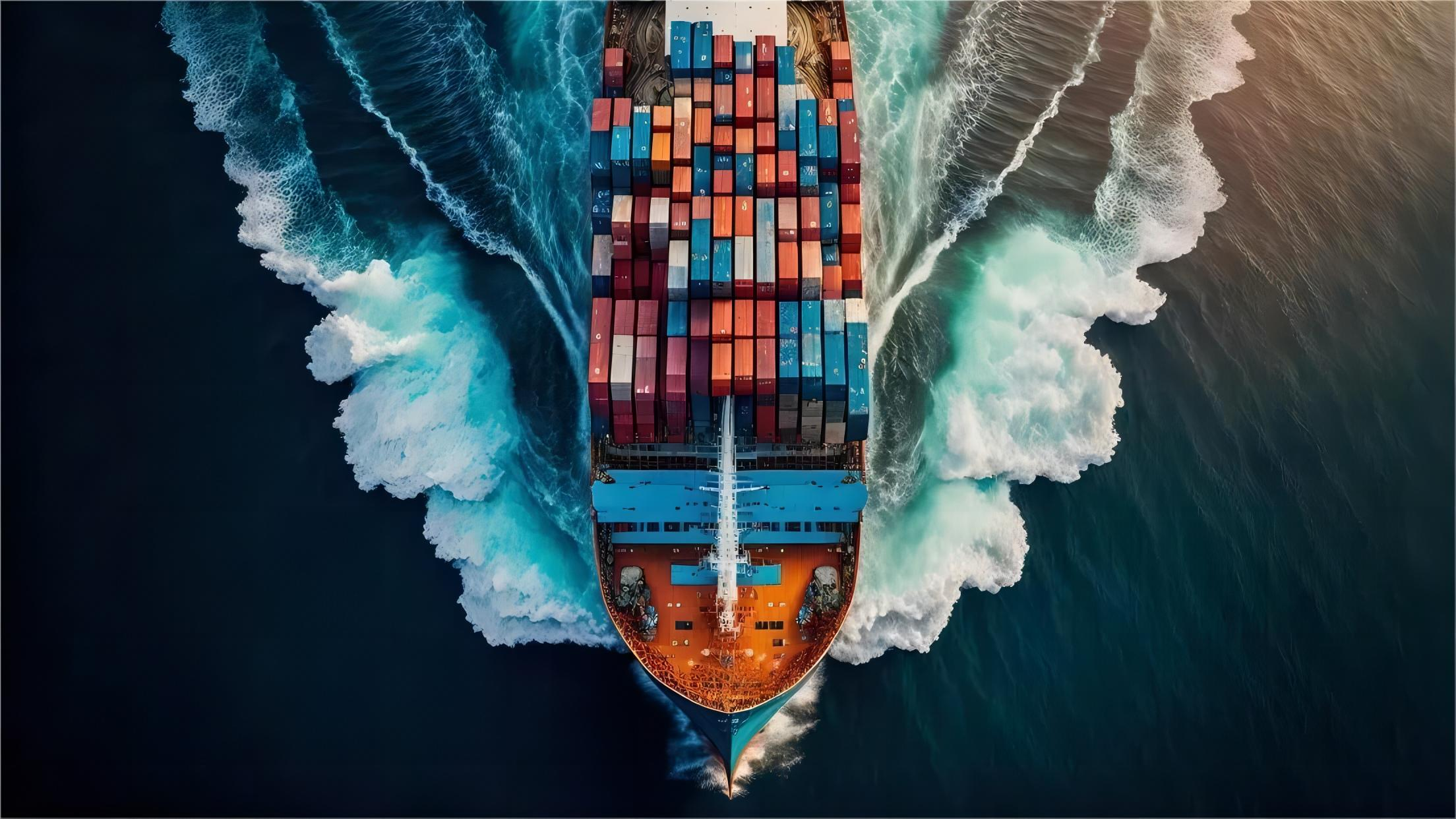
Many modern enterprises prefer a door to door service to simplify their logistics management. This comprehensive solution covers the entire journey from the supplier’s warehouse in China to the final destination. Consequently, the business owner does not need to coordinate with multiple carriers, brokers, or local delivery companies. This ‘one-stop-shop’ approach reduces the risk of communication errors and lost cargo during handovers.
Cost-wise, door-to-door services often provide better value when considering the time saved on administration. The freight forwarder manages the pickup, export clearance, international transit, import clearance, and final mile delivery. Furthermore, having a single point of contact makes it much easier to track the shipment and resolve any issues that may arise. For instance, if a delay occurs at a transshipment port, the forwarder can immediately arrange alternative transport without requiring input from the client.
Choosing this service is particularly beneficial for small to medium-sized businesses that lack a dedicated logistics department. It allows them to enjoy the same level of professional cargo handling as large corporations. Without a doubt, the convenience and peace of mind offered by door-to-door logistics make it a top choice for B2B commercial cargo in 2026.
Which Option Should You Choose? A Decision Framework for 2026
Deciding on the best shipping method requires a careful analysis of your business priorities and cargo characteristics. If your primary goal is to minimize costs and you have a flexible timeline, sea freight is the clear winner. However, if you are dealing with urgent stockouts or high-value items, the speed of air freight justifies the additional expense. For shipments to Europe, rail freight offers an excellent balance that should not be overlooked.
Budget priority: Recommend Sea Freight (FCL) for large volumes to maximize savings. For smaller batches, LCL is more appropriate. Speed priority: Recommend Air Freight or Express services for delivery within 7 days. Cargo type considerations: Hazardous materials or oversized machinery may require specialized sea freight containers like Flat Racks or Open Tops.
Volume thresholds often dictate the switch between methods. For shipments under 100kg, express couriers are usually the most economical. Between 100kg and 500kg, air freight becomes competitive. Once you exceed 15 CBM, a 20-foot FCL container often becomes cheaper than LCL sea freight. Based on current market rates, these thresholds are vital for optimizing your logistics spend.
| China to USA West | $1,600 – $2,300 | $2,900 – $3,900 | 14-18 Days |
| China to Europe | $1,900 – $2,600 | $3,100 – $4,300 | 30-35 Days |
| China to Australia | $900 – $1,300 | $1,500 – $2,100 | 12-18 Days |
| China to UK | $2,100 – $2,900 | $3,600 – $4,600 | 32-38 Days |
Real Case Studies: Success Stories in B2B Logistics
Case Study 1: Electronics Distribution to Germany. Route: Shenzhen, China to Hamburg, Germany. Cargo: Consumer electronics, 12 CBM, 4,500 kg. Shipping Method: Rail Freight. Carrier: Major rail operator via Xi’an hub. Port of Loading: Xi’an Inland Port. Port of Discharge: Hamburg Billwerder. Total Landed Cost: $4,200. Timeline: 19 days door-to-door. Key Insight: The client saved 40% compared to air freight while receiving goods 15 days faster than sea freight.
Case Study 2: Textile Import to Los Angeles. Route: Ningbo, China to Los Angeles, USA. Cargo: Cotton apparel, 65 CBM, 12,000 kg. Container: 40HQ FCL. Carrier: COSCO. Port of Loading: Ningbo-Zhoushan. Port of Discharge: Port of Los Angeles. Total Landed Cost: $5,150 (including duties). Timeline: 22 days door-to-door. Key Insight: Using a direct sea route during the Q1 2026 slack season allowed for a 15% reduction in typical ocean freight costs.
Case Study 3: Industrial Machinery to Sydney. Route: Shanghai, China to Sydney, Australia. Cargo: Spare parts, 2 CBM, 800 kg. Shipping Method: Sea Freight LCL. Port of Loading: Shanghai. Port of Discharge: Port Botany. Total Landed Cost: $1,450. Timeline: 16 days. Key Insight: Consolidating multiple small orders into one LCL shipment minimized origin charges and simplified the customs clearance process for the Australian importer.
Final Thoughts on Commercial Cargo Logistics
Navigating the world of international trade is a complex but rewarding endeavor for businesses that master their logistics. By understanding the nuances of sea, air, and rail transport, you can make informed decisions that protect your profit margins. Furthermore, staying updated on customs regulations and market trends in 2026 ensures that your cargo arrives safely and on time.
Reliability, transparency, and expertise are the cornerstones of a successful china b2b shipping service commercial cargo strategy. Whether you are a small startup or a large corporation, the right logistics partner will provide the scalability you need to grow. Start planning your next shipment with confidence and take control of your global supply chain today.

Get Your Shipping Quote Today
Optimize your supply chain today with a professional china b2b shipping service commercial cargo provider. Contact Freight Net China for a customized quote and expert guidance on your next shipment. Send Inquiry:
Request Quote