


Amazon FBA Logistics China Inquiry: Global Shipping Platform Guide 2026
“Navigating an Amazon FBA logistics China inquiry requires a deep understanding of modern global supply chain demands. For businesses scaling on the Amazon marketplace, choosing the right partner at Freight Net China is the first step toward seamless operations. We provide comprehensive solutions to ensure your goods move efficiently from factory floors in Asia to Amazon fulfillment centers worldwide.”
✦Why an Amazon FBA Logistics China Inquiry Matters for Your Business
Sending inventory to Amazon requires precision, especially when sourcing from China. Many sellers struggle with complex customs regulations and fluctuating freight rates. Consequently, proactive planning is essential to maintain healthy stock levels.
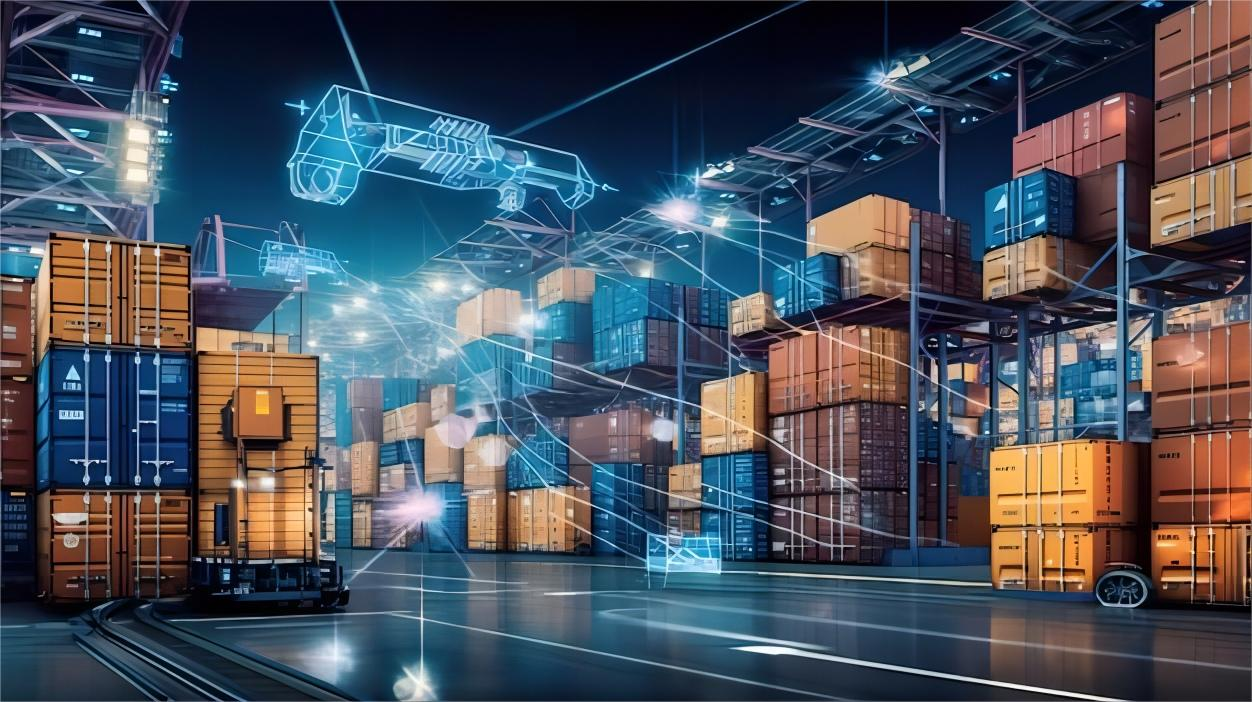
By utilizing a dedicated global shipping platform service, you gain transparency into every stage of the transit process. This visibility allows for better inventory forecasting and improved cash flow management. Furthermore, professional logistics providers prevent costly delays at destination ports.
When you initiate an inquiry, focus on service reliability rather than just the cheapest quote. Reliable partners like Freight Net China offer specialized Amazon FBA support to ensure your cargo meets strict labeling and packaging requirements.
Comparing Shipping Methods for Your Amazon FBA Logistics China Inquiry
Your choice of transport significantly impacts your profit margins and delivery schedule. While sea freight remains the most cost-effective solution for large volumes, air freight is superior for urgent restocks. Additionally, rail freight serves as an excellent middle-ground for European destinations.
Carefully weigh the trade-offs between speed and expense. For instance, sea freight is ideal for steady inventory, whereas air freight is necessary for high-demand seasonal launches.
| Method | Cost | Transit Time | Best For |
|---|---|---|---|
| Sea Freight | Low | 28-40 Days | Bulk Inventory |
| Air Freight | High | 5-10 Days | Urgent Stock |
| Rail Freight | Medium | 18-25 Days | Europe Transit |
| Express | Premium | 3-5 Days | Small Samples |
Strategic Logistics Solutions: Door to Door and Customs
Complexity increases when handling door to door shipments, as they require seamless coordination between local trucks, shipping lines, and final-mile delivery. To simplify this, professional customs brokerage services are vital to avoid seizure or fines.
Shipping to North America or Europe involves distinct regulatory hurdles. Therefore, always verify that your logistics provider understands the specific import requirements for your destination country. See air freight for options that match this corridor.
How Does Sea Freight Compare to Other Shipping Options?
Sea freight acts as the backbone of global trade, yet it is not always the optimal choice for every shipment. If you have a small, high-value item, express service may provide a better return on investment despite the higher cost per kilogram.
Alternatively, rail freight offers a robust alternative for trans-Eurasian trade. It is generally faster than ocean transit and significantly cheaper than air cargo, making it a strategic asset for sellers targeting European FBA warehouses. See rail freight for options that match this corridor.
| Criteria | Sea Freight | Air Freight | Rail Freight |
|---|---|---|---|
| Cost | Lowest | Highest | Moderate |
| Speed | Slowest | Fastest | Medium |
| Reliability | High | Very High | High |
| Volume Capacity | Very High | Low | Moderate |
Real Case Studies in Amazon FBA Logistics
Case Study 1: Electronics from Shenzhen to Los Angeles. A seller shipped 15 CBM of electronics via sea freight. Total landed costs were optimized using a direct route, resulting in a 35-day transit time.
Case Study 2: Apparel from Ningbo to Hamburg. A retailer utilized rail freight for 500kg of seasonal clothing. This allowed for a 20-day delivery window, ensuring the stock was available before the peak shopping season.
Final Thoughts on Amazon FBA Logistics
Mastering your Amazon FBA logistics China inquiry is a continuous process of refinement and strategic planning. By choosing a partner that understands global shipping platform services, you can mitigate risks and focus on growing your brand.
Stay informed about current logistics trends and seasonal freight rate fluctuations to keep your costs under control. Ultimately, reliable logistics are the foundation of a successful Amazon business.