


China Container Shipping Rates Low Cost: 2026 Freight Guide
Finding China container shipping rates low cost solutions remains a top priority for global importers navigating the 2026 trade landscape. Consequently, businesses must leverage strategic partnerships with experienced freight forwarders like Freight Net China to secure the most competitive pricing. This comprehensive guide explores current market trends, provides detailed cost comparisons, and offers actionable strategies to minimize your international logistics expenses while maintaining supply chain reliability.
Why are China container shipping rates low cost in 2026?
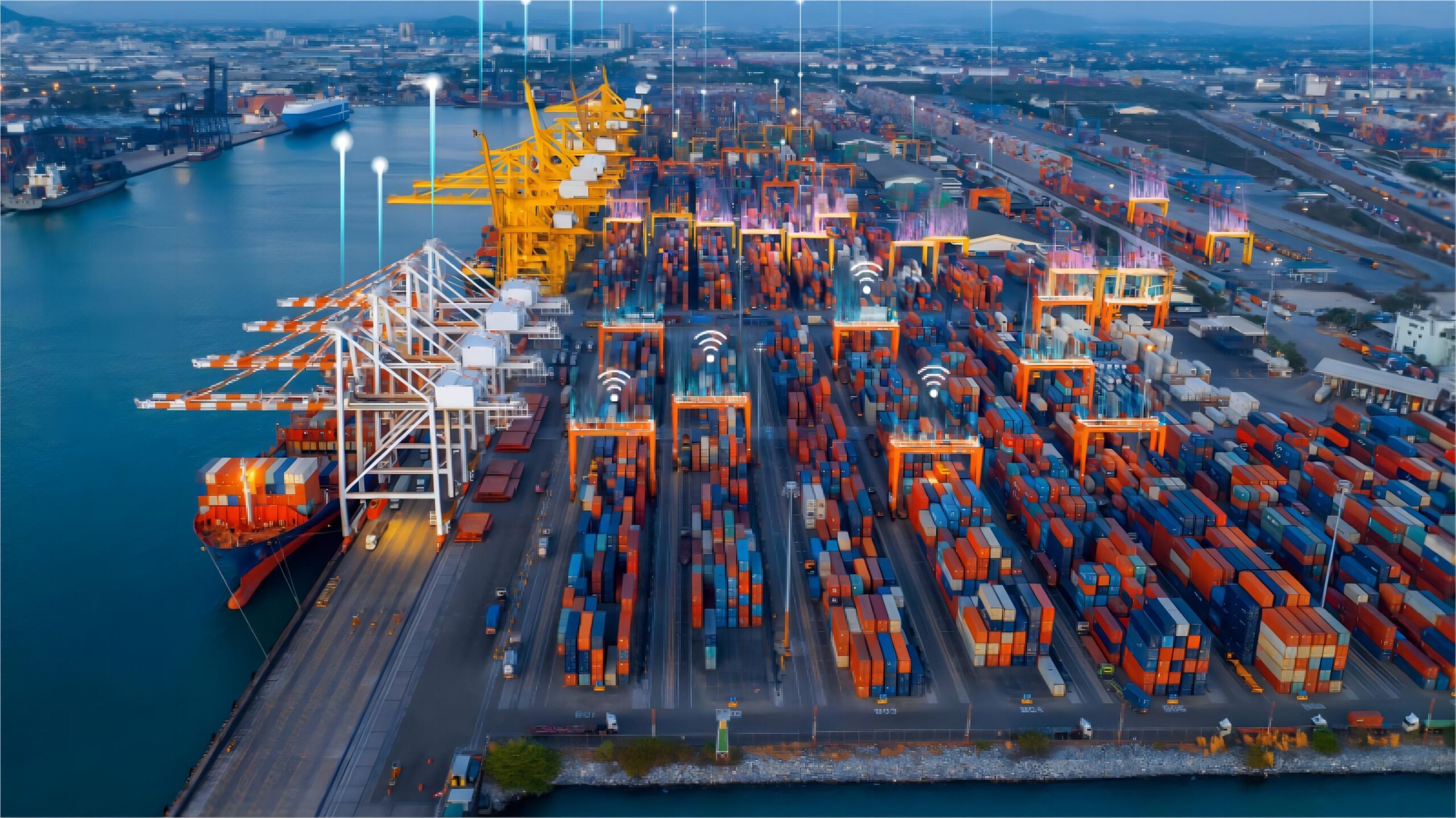
Market dynamics in early 2026 have stabilized significantly following the technological shifts of the previous year. Specifically, the introduction of massive green-energy container vessels has increased global capacity, which exerts downward pressure on standard freight rates. Furthermore, many Chinese ports have fully automated their loading processes, reducing the overhead costs associated with cargo handling and port stays.
Importers now benefit from a more predictable pricing environment compared to the volatility seen in the early 2020s. However, maintaining low costs requires a deep understanding of how carriers allocate space during different quarters of the year. For instance, booking early during the post-Lunar New Year lull often yields the lowest rates of the entire calendar year.
Technological advancements in logistics tracking also contribute to lower costs by reducing administrative errors. Therefore, shippers who utilize digital platforms can often bypass traditional brokerage fees, leading to more direct and transparent pricing models. Indeed, the integration of AI-driven route optimization has enabled carriers to save on fuel, passing some of those savings down to the end user.

How to Find the Most Competitive Freight Rates?
Identifying the best deals for ocean transport requires more than just a simple search for the lowest number. To start, you should compare quotes from multiple carriers to understand the current market baseline for your specific route. Moreover, utilizing specialized sea freight services allows you to access contract rates that are typically unavailable to individual small-scale importers.
Consolidation remains one of the most effective strategies for reducing your total spend. By combining smaller shipments into a single container, you effectively share the cost of the space with other businesses. Additionally, choosing off-peak shipping dates can result in savings of up to 15% compared to peak season bookings during the late summer months.
Negotiating long-term contracts with freight forwarders can also provide price stability. While spot rates might occasionally dip lower, a fixed-rate agreement protects your business from sudden fuel surcharges or capacity crunches. Consequently, many successful importers balance their shipments between contract rates and spot market opportunities to optimize their overall logistics budget.
How Does Sea Freight Compare to Other Shipping Options?
When evaluating China container shipping rates low cost options, it is essential to look at the broader logistics spectrum. While sea freight is almost always the most economical choice for large volumes, other methods offer speed or flexibility that might justify their higher price points in specific scenarios. For example, urgent inventory replenishment might necessitate a shift from ocean to air.
Rail freight has emerged as a powerful middle-ground solution for shipments destined for Central Asia and Europe. It offers a faster transit time than the ocean route without the extreme expense of air transport. Nevertheless, for the majority of consumer goods and industrial materials, the sheer scale of container ships makes sea freight the undisputed leader in cost-efficiency.
Choosing the right method depends heavily on your cargo volume and delivery deadlines. In 2026, many companies are adopting hybrid strategies, such as using sea freight for 80% of their stock and air freight for high-demand items. This balanced approach ensures that the overall supply chain remains cost-effective while staying responsive to market changes.
| Sea Freight (FCL) | $1,800 – $4,500 | 14 – 40 Days | Bulk goods and large volumes |
| Rail Freight | $3,000 – $6,000 | 15 – 22 Days | Mid-sized shipments to Europe |
| Air Freight | $5,000 – $15,000+ | 3 – 7 Days | High-value or urgent cargo |
| Express Service | $8 – $15 per kg | 2 – 5 Days | Small samples or documents |
FCL vs LCL: Which Offers the Best Value?
Full Container Load (FCL) shipping involves renting an entire 20ft or 40ft container for your exclusive use. This method is generally the most cost-effective for shipments exceeding 15 cubic meters (CBM) because the cost per unit of volume is much lower. Furthermore, FCL shipments often experience fewer delays since they do not require consolidation or deconsolidation at the port.
Less than Container Load (LCL) is the preferred choice for smaller shipments that do not fill a whole container. In this scenario, you only pay for the volume you occupy, making it a low-cost entry point for new importers. However, LCL rates per CBM are higher than FCL, and the risk of minor damage is slightly increased due to the handling of various types of cargo in one box.
Importers must calculate the ‘break-even’ point when deciding between these two methods. If your LCL shipment is approaching 15 CBM, it is often cheaper to book a 20GP container entirely. Additionally, FCL provides better security for fragile goods, as the container is sealed at the factory and only opened at the final destination.
Which Option Should You Choose?
Budget Priority
Speed Priority
Cargo Type Considerations
Top Factors Influencing Shipping Costs in 2026
Several external factors continue to influence how China container shipping rates low cost options are priced in the current market. Fuel prices remains the most volatile component, as the industry transitions toward more expensive but cleaner bio-fuels. Moreover, port labor agreements in major destinations like the US West Coast can lead to sudden surcharges if congestion occurs.
Seasonal demand cycles still play a massive role in pricing trends. For instance, the ‘Peak Season’ typically begins in August and runs through October as retailers prepare for the holiday rush. During this time, equipment shortages can drive up prices even if fuel costs remain stable. Therefore, planning your production schedule to avoid these months can lead to substantial savings.
Currency fluctuations between the Chinese Yuan and the US Dollar also impact the final landed cost of your goods. Many freight forwarders now offer fixed exchange rate options for a set period to help importers manage their financial risk. Additionally, changes in international trade policies or tariffs can suddenly alter the cost landscape for specific product categories.
Navigating Customs and Documentation for Low-Cost Shipping
Efficient customs handling is critical to maintaining a low-cost supply chain. Delays at the border often result in demurrage and detention fees, which can quickly negate any savings gained from cheap ocean freight. Consequently, employing a professional customs brokerage service is often a wise investment to ensure all paperwork is perfect.
Accuracy in your Commercial Invoice and Packing List is non-negotiable for smooth clearance. For instance, misclassifying your goods under the wrong HS Code can lead to heavy fines or even the seizure of your cargo. Furthermore, understanding the specific import regulations of your destination country helps in preparing the necessary certificates of origin or safety compliance documents.
Digital documentation has become the standard in 2026, allowing for pre-clearance while the ship is still at sea. This proactive approach ensures that your container can be moved directly from the vessel to a truck, minimizing port storage fees. Indeed, many importers now use automated systems to sync their shipping data with customs authorities for faster processing.
| Bill of Lading | Title to the goods | Carrier/Customs | Mandatory |
| Commercial Invoice | Value declaration | Customs | Mandatory |
| Packing List | Content details | Port/Customs | Mandatory |
| Cert. of Origin | Duty determination | Customs | High |
Real-World Case Studies for 2026 Shipments
Examining real-world examples provides a clearer picture of how China container shipping rates low cost strategies work in practice. These cases reflect actual market conditions in 2026 and demonstrate the importance of selecting the right route and service level. Note: Freight rates are subject to change based on fuel costs, carrier capacity, and seasonal demand. Contact us for a current quote tailored to your specific shipment.
Case Study 1: Electronics from Shenzhen to Los Angeles. A tech retailer shipped 22 CBM of consumer electronics. Instead of booking two separate LCL shipments, they opted for a single 20GP FCL. By utilizing a North America direct route, they achieved a total landed cost of $3,150 with a transit time of 16 days. The key insight was that FCL was 15% cheaper than the equivalent LCL volume.
Case Study 2: Home Decor from Ningbo to Rotterdam. A furniture wholesaler moved 65 CBM of goods using a 40HQ container. They chose a transshipment route via Singapore to save on ocean freight. According to early 2026 rates, their ocean freight was $3,800, with a total door-to-door time of 36 days. This strategy saved them $450 compared to a direct vessel, proving that slower routes can be highly effective for non-urgent inventory.
Case Study 3: Industrial Parts from Shanghai to Sydney. A manufacturing firm required 5 CBM of specialized components. They utilized an LCL Europe service (Wait, correction: Australia service). Using a door to door solution, the total cost was $950 including customs clearance. The shipment arrived in 14 days, demonstrating that for smaller volumes, LCL remains the most practical low-cost option.
Strategies to Reduce Your Landed Costs
Reducing the total landed cost of your products requires a holistic view of the supply chain. Firstly, optimizing your product packaging can allow you to fit more units into a single container, effectively lowering the shipping cost per item. Moreover, working with suppliers to coordinate production schedules ensures that goods are ready just in time for scheduled vessel departures, avoiding warehouse storage fees.
Consolidating shipments from multiple Chinese suppliers into one container is another powerful tactic. Instead of paying multiple sets of minimum LCL fees, you can combine these goods at a central warehouse in Ningbo or Shanghai. This process not only saves money on freight but also simplifies the customs clearance process at the destination, as you only have one entry to file.
Finally, always investigate the possibility of using ‘Inland Ports’ or alternative discharge points. Sometimes, trucking a container from a less congested secondary port is cheaper than paying the premium for a major hub. Consequently, staying flexible with your logistics routing can uncover hidden savings that your competitors might overlook.
Achieving Long-Term Logistics Success
Successfully navigating China container shipping rates low cost opportunities requires a combination of market intelligence, strategic planning, and reliable partnerships. By understanding the differences between FCL and LCL, and by choosing the right transit routes, you can significantly reduce your overhead costs.
As we move through 2026, the logistics industry continues to evolve with new technologies and greener shipping methods. Staying informed about these trends will allow you to adapt quickly and maintain a competitive edge in your market. Remember that the cheapest rate is only a bargain if your goods arrive safely and on time.
Ultimately, your choice of freight forwarder will determine the efficiency of your import operations. Choose a partner that offers transparency, expertise, and a commitment to helping you find the most cost-effective shipping solutions available.
Need a tailored shipping solution?
Ready to secure the best China container shipping rates low cost options for your 2026 shipments? Contact our expert logistics team today to receive a personalized quote and optimize your global supply chain. Visit https://freightnetchina.com/ to get started.