

Shipping From China Global: The Complete 2025 Logistics Guide
Successfully managing shipping from china global requires a deep understanding of international logistics and carrier networks. Many importers face challenges with rising freight costs and complex customs regulations that can delay delivery schedules. This comprehensive guide provides the strategic insights needed to streamline your cargo handling and improve your bottom line in the competitive global market.

What Are the Primary Methods for Shipping From China Global?
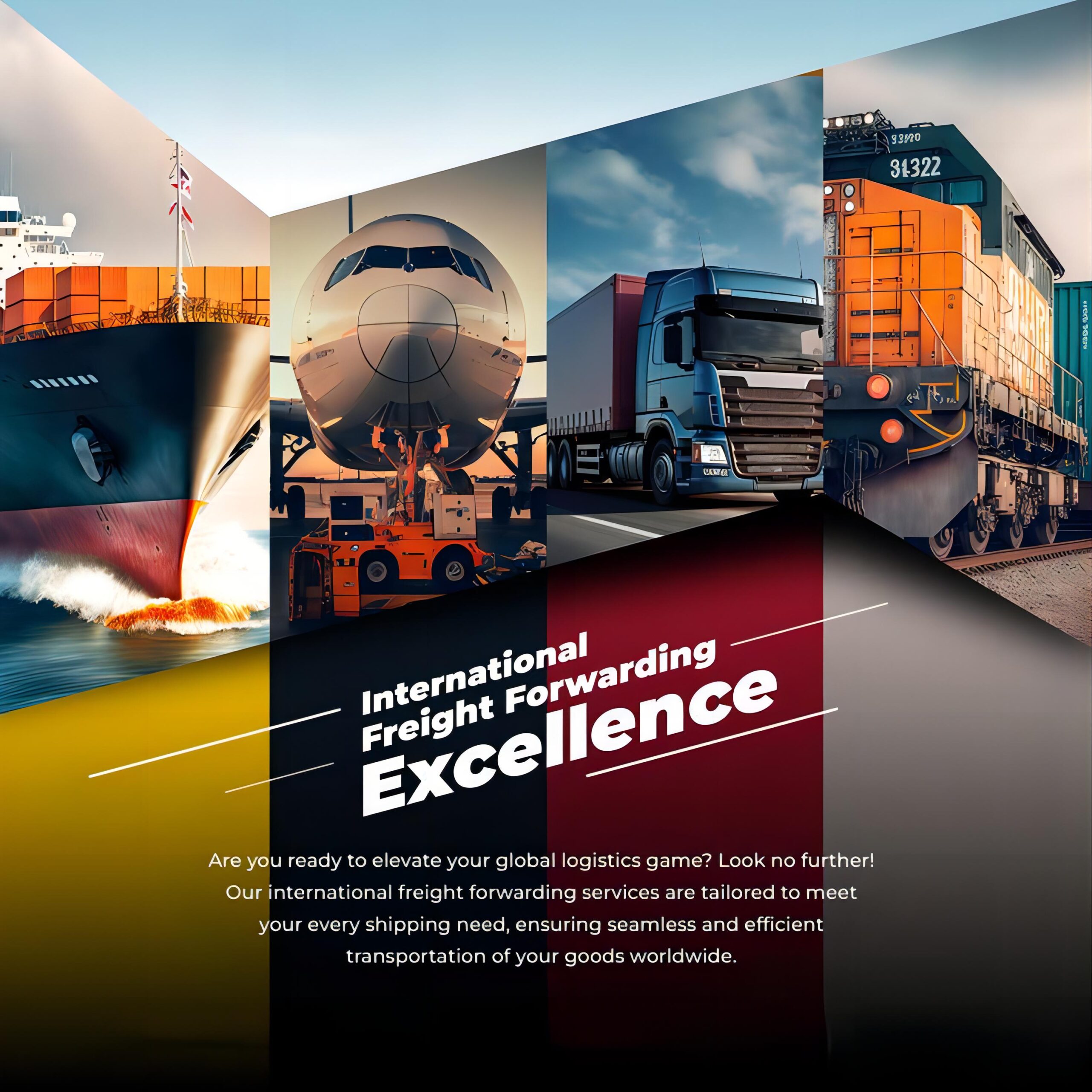
Selecting the right transportation mode is the most critical decision in your supply chain management process. Businesses typically choose between ocean, air, and rail transport based on their specific budget requirements and delivery deadlines.
For large volume shipments, sea freight remains the most cost-effective solution for international trade. It allows for the transport of massive quantities of goods using standardized containers, though it requires longer transit times compared to other options.
When speed is the highest priority, air freight offers the fastest delivery schedule for high-value or perishable items. While the cost per kilogram is significantly higher, the reduced inventory holding costs can often justify the investment.
Furthermore, rail freight has emerged as a reliable middle-ground solution for shipments moving from China to Europe. It provides a faster alternative to sea transport and a more affordable option than air cargo services.
How Does Sea Freight Compare to Other Shipping Options?
Analyzing the differences between various shipping methods helps businesses identify the most efficient route for their specific cargo. Sea freight is generally categorized into Full Container Load (FCL) and Less than Container Load (LCL) shipments.
FCL shipping is ideal for businesses that have enough cargo to fill an entire 20-foot or 40-foot container. Consequently, this method offers better security and faster handling since the container is not opened until it reaches the destination.
LCL shipping allows multiple importers to share space within a single container, making it a flexible choice for smaller volumes. However, the consolidation and deconsolidation processes can add several days to the total transit time.
Meanwhile, hybrid solutions like sea-air freight combine the cost savings of ocean transport with the speed of air delivery. This strategy is particularly useful when port congestion or seasonal peaks disrupt standard shipping lanes.
| Shipping Method | Cost Range | Transit Time | Best For | Limitations |
|---|---|---|---|---|
| Sea Freight | Low ($1,500 – $4,500) | 20-45 Days | Bulk & Large Goods | Slow Speed |
| Air Freight | High ($5 – $12/kg) | 3-8 Days | Urgent & High Value | High Cost |
| Rail Freight | Medium ($2,000 – $5,000) | 15-22 Days | China to Europe | Fixed Routes |
| Express | Very High ($8 – $15/kg) | 2-5 Days | Small Samples | Size Limits |
Understanding Shipping From China Global Costs and Factors
Calculating the total landed cost involves more than just the base freight rate provided by a carrier. You must also account for fuel surcharges, terminal handling charges, and documentation fees that vary by port.
Market data suggests that freight rates fluctuate significantly based on seasonal demand and global economic conditions. For instance, prices typically spike during the months leading up to the Chinese New Year and the Q4 holiday peak season.
Utilizing an express service can simplify the pricing structure for small parcels by including most fees in a single rate. This approach is highly effective for e-commerce businesses that require predictable shipping expenses for their customers.
Additionally, port congestion and labor strikes can lead to unexpected surcharges and detention fees. Maintaining a buffer in your logistics budget ensures that your business can absorb these costs without impacting your profit margins.
| Route | 20GP Container | 40GP Container | 40HQ Container | Transit Time |
|---|---|---|---|---|
| China to USA West | $1,600 – $2,300 | $2,600 – $3,600 | $2,900 – $3,900 | 14-18 Days |
| China to Europe | $1,900 – $2,600 | $2,900 – $3,900 | $3,100 – $4,300 | 28-35 Days |
| China to Australia | $850 – $1,250 | $1,250 – $1,850 | $1,450 – $2,050 | 12-18 Days |
| China to UK | $2,100 – $2,900 | $3,300 – $4,300 | $3,600 – $4,600 | 30-38 Days |

Which Option Should You Choose for Your Business?
Choosing the optimal shipping strategy depends on your specific business priorities and the nature of your products. If your primary goal is cost reduction, sea freight is almost always the superior choice for shipments over 500 kilograms.
Speed priority dictates the use of air freight or express couriers to ensure your products reach the market before your competitors. This is especially vital for electronics, fashion items, and seasonal goods that have a short shelf life.
Cargo type considerations also play a major role in the decision-making process. Hazardous materials or oversized machinery may require specialized handling that only certain ocean carriers or heavy-lift aircraft can provide.
For those selling on international platforms, using Amazon FBA shipping services can streamline the entire process. This method allows you to ship goods directly from Chinese factories to global fulfillment centers with ease.
Real-World Case Studies of Global Logistics
Examining actual shipping scenarios provides valuable insight into the practical challenges and costs involved in international trade. These cases reflect typical market conditions as of early 2025 and highlight successful logistics strategies.
Case Study 1: Electronics to Los Angeles. Route: Shenzhen, China to Los Angeles, USA. Cargo: Consumer Electronics, 18 CBM, 4500 kg. Container: LCL. Shipping Details: Carrier: Major carrier, Port of Loading: Shenzhen, Port of Discharge: Los Angeles, Route Type: Direct. Cost Breakdown: Ocean Freight: $1,440, Origin Charges: $250, Destination Charges: $450, Customs and Duties: $1,200, Total Landed Cost: $3,340. Timeline: Booking to Loading: 3 days, Sea Transit: 16 days, Customs Clearance: 2 days, Total Door-to-Door: 21 days. Key Insight: Choosing LCL for this mid-sized shipment saved the client $800 compared to a 20GP container.
Case Study 2: Furniture to Hamburg. Route: Ningbo, China to Hamburg, Germany. Cargo: Wooden Furniture, 68 CBM, 12000 kg. Container: 40HQ. Shipping Details: Carrier: COSCO, Port of Loading: Ningbo, Port of Discharge: Hamburg, Route Type: Direct. Cost Breakdown: Ocean Freight: $3,800, Origin Charges: $350, Destination Charges: $550, Customs and Duties: $2,100, Total Landed Cost: $6,800. Timeline: Booking to Loading: 5 days, Sea Transit: 32 days, Customs Clearance: 3 days, Total Door-to-Door: 40 days. Key Insight: Booking 4 weeks in advance secured a rate 15 percent lower than the peak season average.
Case Study 3: Auto Parts to Sydney. Route: Shanghai, China to Sydney, Australia. Cargo: Spare Parts, 25 CBM, 8000 kg. Container: 20GP. Shipping Details: Carrier: OOCL, Port of Loading: Shanghai, Port of Discharge: Sydney, Route Type: Direct. Cost Breakdown: Ocean Freight: $1,100, Origin Charges: $300, Destination Charges: $400, Customs and Duties: $900, Total Landed Cost: $2,700. Timeline: Booking to Loading: 4 days, Sea Transit: 14 days, Customs Clearance: 2 days, Total Door-to-Door: 20 days. Key Insight: Direct shipping minimized the risk of damage during transshipment for these sensitive components.
Strategies to Reduce Your Shipping From China Global Expenses
Implementing cost-saving measures can significantly improve your international trade margins without sacrificing service quality. One effective method is to consolidate shipments from multiple suppliers into a single container to reduce per-unit costs.
Negotiating long-term contracts with a reliable freight forwarder can provide price stability during volatile market periods. This approach is much more effective than constantly searching for the lowest spot rate in a fluctuating market.
Optimizing your product packaging is another simple yet powerful way to lower your shipping from china global expenses. By reducing the volume and weight of your boxes, you can fit more units into a container and lower your freight spend.
Moreover, working with a professional customs brokerage ensures that your goods are classified correctly. Proper classification helps you avoid overpaying on import duties and prevents costly delays at the border.

Essential Documentation for International Shipping
Accurate documentation is the foundation of a smooth international shipping process and prevents legal complications with customs authorities. Missing or incorrect paperwork is the leading cause of shipment delays and additional storage fees at the port.
The Commercial Invoice and Packing List are the most basic requirements for any global shipment. These documents must clearly state the value, quantity, and description of the goods to facilitate accurate duty assessment.
A Bill of Lading serves as both a receipt for the cargo and a contract of carriage between the shipper and the carrier. It is an essential document for claiming ownership of the goods once they arrive at the destination port.
Finally, obtaining a Certificate of Origin may be necessary to qualify for preferential tariff rates under various trade agreements. Ensuring all paperwork is prepared well in advance of the departure date is a hallmark of professional logistics management.
Mastering Your Global Logistics Strategy
Navigating the world of shipping from china global requires a balance of speed, cost, and reliability. By understanding the various freight methods and implementing strategic cost-saving measures, you can build a resilient supply chain that supports your business growth. Whether you choose sea, air, or rail, the key to success lies in meticulous planning and choosing the right logistics partners.
Remember that freight rates and transit times are constantly evolving due to global economic shifts. Staying informed about market trends and maintaining flexible shipping options will allow you to adapt quickly to any challenges. With the right approach, international shipping can become a competitive advantage for your business rather than a logistical hurdle.
Ready to streamline your logistics?
Streamline your shipping from china global operations today by partnering with an expert logistics provider. Contact Freight Net China to receive a customized quote and discover how our tailored solutions can optimize your international supply chain. Visit our website to learn more about our comprehensive freight services. Send Inquiry: info@freightnetchina.com
Request Quote