

Shipping from China with Tracking: The Complete 2025 Logistics Guide
Shipping from China with tracking has become a fundamental requirement for businesses that demand reliability and transparency in their global supply chain. Managing these logistics effectively ensures that you can monitor your inventory in real-time and provide accurate updates to your customers. Visit Freight Net China today to explore professional freight forwarding solutions that prioritize cargo visibility and security. In the current market, having a robust tracking system is no longer a luxury but a strategic necessity for competitive advantage.
What Are the Primary Benefits of Shipping from China with Tracking?
Visibility remains the most significant advantage when you choose a shipping method that includes comprehensive tracking capabilities. Consequently, businesses can anticipate potential delays and adjust their distribution schedules before minor issues become major disruptions.
Furthermore, real-time data allows for better inventory management by providing precise arrival estimates for incoming stock. Therefore, companies can reduce their safety stock levels and optimize their cash flow by relying on more accurate lead times.
Customer trust also increases significantly when you provide a valid tracking number immediately after dispatching an order. Indeed, modern consumers expect to see every step of the journey, from the factory floor in Shenzhen to their doorstep in Europe or North America.
Moreover, tracking serves as a vital tool for insurance claims and dispute resolution in the rare event of cargo damage or loss. Accurate location data provides the necessary evidence to identify exactly where a shipment went missing or experienced a delay.
How Does Express Shipping Compare to Other Shipping Options?
Choosing the right logistics path requires a detailed understanding of how different transport modes affect your bottom line and speed. While express service offers the fastest transit times, it typically comes with a higher price tag compared to traditional freight.
In addition, express carriers provide the most granular tracking updates, often scanning packages at every major sorting facility. However, for larger volumes, the cost-per-kilogram can become prohibitive for many small and medium-sized enterprises.
To help you decide, we have compiled a comparison of the most common shipping methods used by importers today. This table outlines the trade-offs between speed, cost, and reliability across various logistics channels.
| Shipping Method | Cost Range | Transit Time | Best For |
|---|---|---|---|
| Express Shipping | High ($5-9/kg) | 3-7 Days | Small parcels, samples |
| Air Freight | Medium ($3-6/kg) | 5-12 Days | High-value, urgent goods |
| Sea Freight | Low ($0.5-1/kg) | 25-45 Days | Bulk goods, heavy cargo |
| Rail Freight | Medium-Low | 15-22 Days | Landlocked Europe routes |
Exploring Sea Freight for Large Scale Shipments
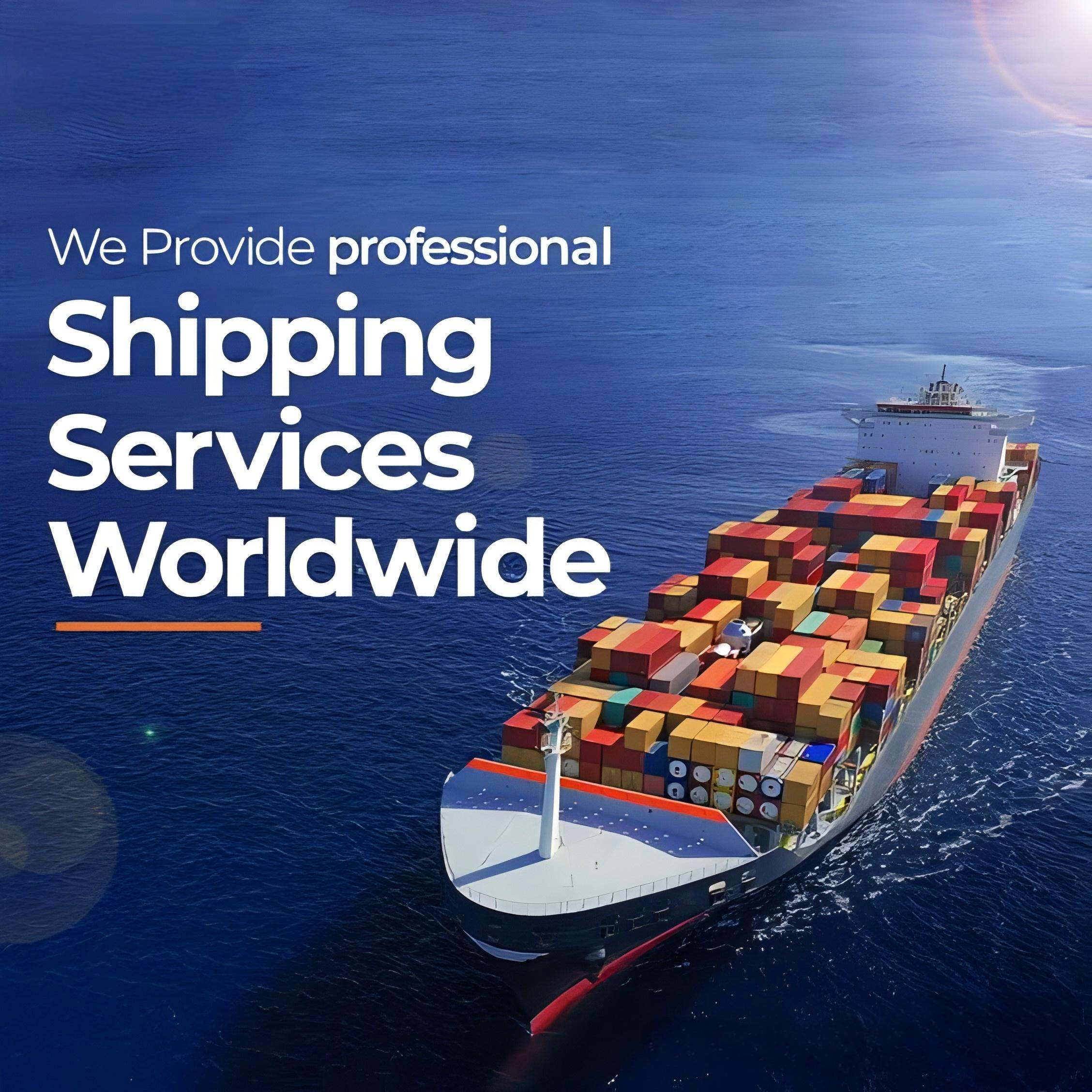
Ocean transport continues to be the workhorse of international trade, especially for businesses moving large quantities of goods. If you are shipping bulk orders, sea freight provides the most economical solution for long-distance transit.
Tracking for sea cargo typically relies on container numbers and bill of lading details provided by the shipping line. Nevertheless, modern systems now integrate GPS sensors on containers to provide more frequent updates than traditional port-to-port reporting.
Consequently, importers can monitor the vessel’s progress across the ocean and receive alerts when the ship enters congested ports. Such data is invaluable for coordinating drayage services and warehouse labor for the final unloading process.
In contrast to air transport, sea freight requires more rigorous planning due to longer transit times and potential seasonal weather disruptions. Despite these challenges, the cost savings often justify the longer wait for non-urgent inventory.
The Role of Air Freight in Urgent Supply Chains
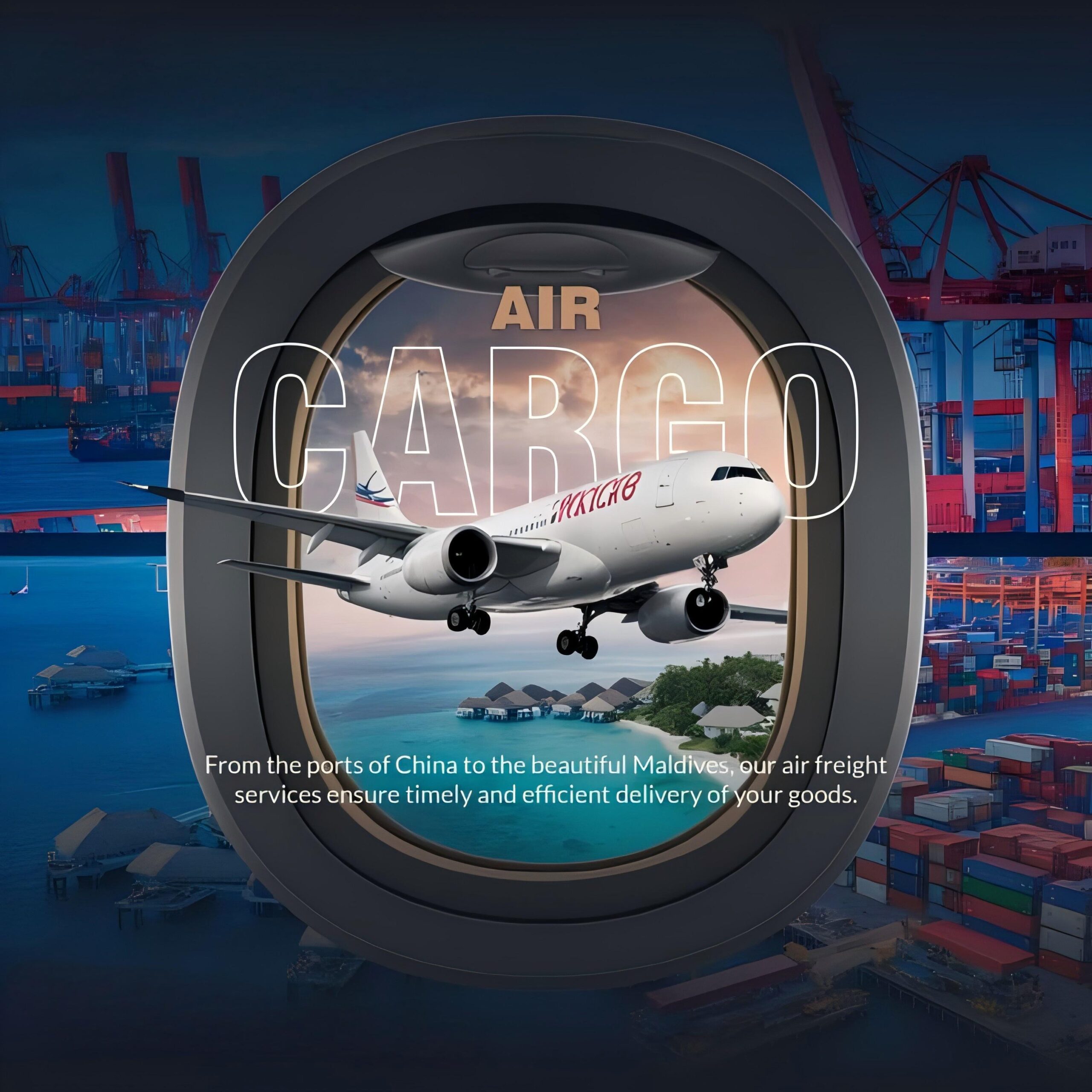
When speed is the most critical factor in your logistics strategy, air freight stands out as the superior choice. This method is particularly useful for electronics, fashion, or seasonal products that need to reach the market rapidly.
Air cargo tracking is highly sophisticated, utilizing automated systems that update the status at every airport checkpoint. As a result, you can see exactly when your goods clear customs and are ready for local delivery.
Additionally, air transport offers a higher level of security for fragile or high-value items compared to ocean shipping. Although the fuel surcharges can fluctuate, the reduced risk of damage often compensates for the higher freight rates.
Meanwhile, many businesses utilize a hybrid approach, using air freight for initial product launches and sea freight for regular replenishment. This strategy balances the need for market speed with the requirement for long-term cost efficiency.
Integrating Door to Door Solutions with Full Visibility
Managing multiple carriers can be a complex task for any business owner, which is why integrated services are so popular. Selecting a door to door service simplifies the entire process by providing a single point of contact.
This approach ensures that tracking remains seamless from the moment the goods leave the factory until they arrive at your warehouse. Without a doubt, having a unified tracking number reduces the administrative burden on your logistics team.
Furthermore, these services often include customs clearance, which is a major pain point for many international importers. By combining transport and brokerage, providers can offer a smoother transition between different stages of the journey.
Indeed, most door-to-door providers use advanced software platforms that aggregate data from trucks, ships, and planes into a single dashboard. This level of integration provides a clear picture of the entire supply chain at a glance.
Case Study 1: Shenzhen to Los Angeles Electronics Shipment
Case Study 1: High-Value Electronics Distribution Route: Shenzhen, China to Los Angeles, USA Cargo: Premium Headphones, 18 CBM, 4200 kg Container: LCL (Less than Container Load) Shipping Details: – Carrier/Service: Major Ocean Carrier – Port of Loading: Shenzhen – Port of Discharge: Los Angeles – Route Type: Direct Cost Breakdown: – Ocean Freight: $1,450 – Origin Charges: $320 – Destination Charges: $450 – Customs & Duties: $2,800 – Total Landed Cost: $5,020 Timeline: – Booking to Loading: 3 days – Sea Transit: 15 days – Customs Clearance: 2 days – Total Door-to-Door: 20 days Key Insight: Using a direct route to the US West Coast saved 10 days compared to transshipment options.
Based on Q3 2024 market rates, this shipment utilized a direct lane to minimize the risk of delay at intermediate ports. Consequently, the client maintained a steady supply for their retail partners during a peak sales period.
Note: Freight rates are subject to change based on fuel costs, carrier capacity, and seasonal demand. Contact us for a current quote tailored to your specific shipment.
Case Study 2: Ningbo to Hamburg Industrial Equipment
Case Study 2: Industrial Machinery Logistics Route: Ningbo, China to Hamburg, Germany Cargo: Precision Lathes, 28 CBM, 8500 kg Container: 20GP Full Container Shipping Details: – Carrier/Service: COSCO Shipping – Port of Loading: Ningbo – Port of Discharge: Hamburg – Route Type: Direct via Suez Canal Cost Breakdown: – Ocean Freight: $2,100 – Origin Charges: $280 – Destination Charges: $550 – Customs & Duties: $1,200 – Total Landed Cost: $4,130 Timeline: – Booking to Loading: 5 days – Sea Transit: 32 days – Customs Clearance: 3 days – Total Door-to-Door: 40 days Key Insight: Securing a 20GP container allowed for specialized blocking and bracing required for heavy machinery.
Typical rates as of early 2025 suggest that direct routes to Europe remain the most stable option for heavy industrial goods. However, importers must account for potential canal surcharges that can affect the final invoice.
Note: Freight rates are subject to change based on fuel costs, carrier capacity, and seasonal demand. Contact us for a current quote tailored to your specific shipment.
Which Shipping Option Should You Choose?
Deciding on the best logistics strategy depends heavily on your specific business goals and the nature of your products. If your primary goal is budget priority, then sea freight is almost always the recommended option for shipments exceeding 2 CBM.
On the other hand, if speed is your absolute priority, express or air freight should be your go-to choice despite the higher costs. For mid-range requirements, rail freight offers a compelling balance of speed and cost for shipments moving to Europe.
Cargo type also plays a significant role in this decision-making process. For example, hazardous materials or oversized items may be restricted from air transport, leaving sea freight as the only viable alternative.
Volume thresholds are another critical consideration for logistics managers. Once a shipment reaches 15 CBM, it is often more economical to book a 20GP container (FCL) rather than paying for multiple LCL shipments.
Understanding 2025 Market Rates and Transit Times
According to industry benchmarks, freight rates have stabilized in early 2025, though they remain higher than pre-2020 averages. Monitoring these trends is essential for accurate budgeting and price setting for your own customers.
In addition to base freight rates, importers must stay aware of fluctuating fuel surcharges and seasonal peak season adjustments. For instance, rates typically increase by 15-25% during the August-October period as retailers prepare for the holidays.
The following table provides a snapshot of current market averages for major shipping routes from China’s primary ports. Use these figures as a general reference when planning your upcoming procurement cycles.
| Route | 20GP Container | 40HQ Container | Transit Time |
|---|---|---|---|
| China to USA West | $1,600 – $2,300 | $2,900 – $3,900 | 14-18 Days |
| China to USA East | $2,600 – $3,600 | $4,600 – $6,100 | 30-35 Days |
| China to Europe | $1,900 – $2,600 | $3,100 – $4,300 | 28-35 Days |
| China to Australia | $900 – $1,300 | $1,500 – $2,100 | 12-18 Days |
Cost-Saving Strategies for Tracked Shipments
Reducing your logistics expenses does not mean you have to sacrifice visibility or quality of service. One effective strategy is to consolidate multiple small orders into a single LCL or FCL shipment to benefit from bulk pricing.
Additionally, booking your shipments at least two weeks in advance can help you secure lower rates and guaranteed space on vessels. Consequently, you avoid the premium prices associated with last-minute bookings during busy periods.
Moreover, consider using a freight forwarder that offers digital tracking tools as part of their standard package. This eliminates the need for expensive third-party monitoring software and provides you with professional-grade data at no extra cost.
Another alternative involves exploring different ports of entry that might have lower congestion and faster processing times. For example, shipping to a secondary port and using rail for the final leg can sometimes be cheaper than direct delivery to a major hub.
Final Thoughts on Shipping from China with Tracking
To summarize, shipping from China with tracking is the most effective way to ensure your goods arrive safely and on schedule. By leveraging the right technology and choosing the appropriate freight mode, you can significantly improve your operational efficiency.
Furthermore, understanding the trade-offs between cost and speed allows you to make informed decisions that align with your business strategy. Whether you choose express, air, or sea freight, maintaining visibility remains the key to managing risks in a global market.
Indeed, the logistics landscape will continue to evolve, but the fundamental need for transparency and reliability will never change. Partnering with an experienced freight forwarder ensures that you stay ahead of industry trends and maintain a resilient supply chain.

Ready to streamline your logistics?
Mastering the complexities of shipping from China with tracking is essential for modern business success. Our team of experts is ready to help you optimize your supply chain with real-time visibility and competitive rates. Contact Freight Net China today for a customized quote and take control of your international logistics. Send Inquiry to get started with a professional partner you can trust.
Request Quote