

China to Europe Shipping France: The Complete Logistics Guide
Managing logistics for China to Europe shipping France requires a strategic approach to balance speed and budget. Consequently, many businesses struggle with fluctuating freight rates and complex customs regulations that can delay essential cargo. Fortunately, Freight Net China provides reliable solutions to streamline your supply chain and ensure your goods reach French markets efficiently.
What Are the Main Methods for China to Europe Shipping France?
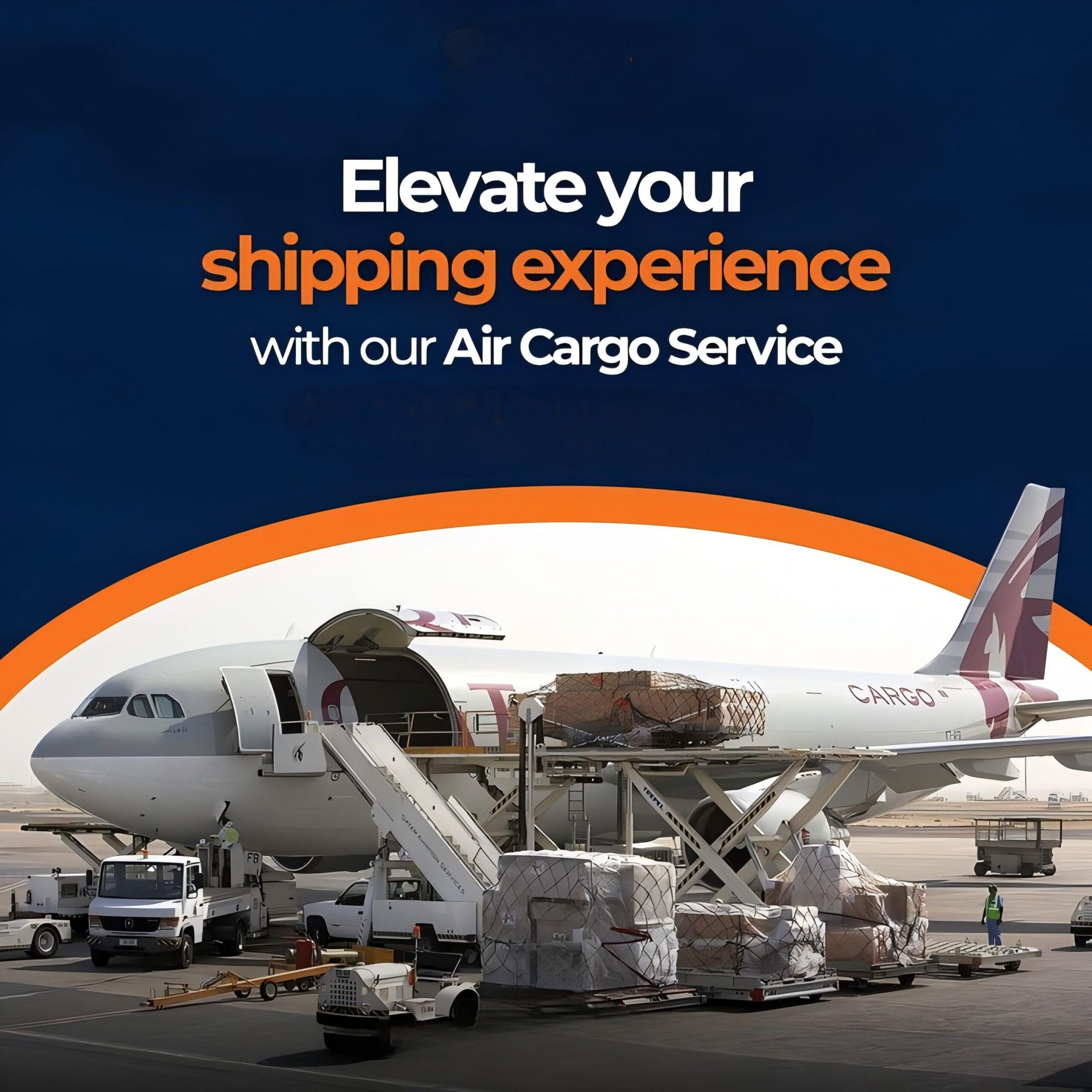
Choosing the right transportation mode is the most critical decision in your logistics planning process. For instance, high-volume shipments often benefit from the economies of scale provided by traditional maritime routes. Conversely, urgent deliveries require the rapid transit times offered by modern aviation networks.
Furthermore, businesses must consider the environmental impact and cost-effectiveness of each available option. Many importers now utilize sea freight for their largest consignments because it offers the lowest cost per unit. This method remains the backbone of international trade between Asian manufacturing hubs and European destinations.
Additionally, the rise of transcontinental infrastructure has introduced competitive alternatives for land-based transport. Therefore, understanding the specific advantages of each mode allows you to optimize your delivery schedule and reduce overhead costs.
Ocean Freight: FCL and LCL Options
Ocean transportation provides two primary configurations known as Full Container Load (FCL) and Less than Container Load (LCL). Specifically, FCL is ideal for businesses that can fill an entire 20ft or 40ft container with their own products. This approach typically offers better security and faster handling at the port of discharge.
On the other hand, LCL allows smaller businesses to share container space with other shippers. As a result, you only pay for the volume your cargo occupies, which is measured in cubic meters. However, LCL shipments often require more time for consolidation and deconsolidation at the warehouse.
How Does Sea Freight Compare to Other Shipping Options?
Comparing different logistics strategies is essential for maintaining a competitive edge in the French market. While sea freight is significantly cheaper, it cannot match the velocity of air or rail services. Indeed, the choice often depends on the value-to-weight ratio of the products you are importing.
Moreover, market data suggests that sea freight rates have stabilized in early 2025 following previous disruptions. Nevertheless, businesses should always maintain a contingency plan involving faster modes of transport for seasonal peaks. The following table provides a clear comparison of the primary shipping methods available for the China-France route.
| Shipping Method | Cost Range | Transit Time | Best For |
|---|---|---|---|
| Sea Freight | $2,000 – $4,200 | 30 – 45 Days | Bulk Goods |
| Air Freight | $5.50 – $12.00/kg | 3 – 8 Days | Urgent Items |
| Rail Freight | $3,500 – $5,500 | 16 – 24 Days | Medium Volume |
| Express | $8.00 – $15.00/kg | 2 – 5 Days | Small Samples |
The Speed of Air Freight from China to France
When time is the most valuable factor in your supply chain, air freight stands as the superior choice. This method is particularly effective for high-value electronics, fashion items, and perishable goods that require immediate delivery. Consequently, the shorter transit time reduces the need for large inventory holdings in French warehouses.
Additionally, air transport offers enhanced security and a lower risk of damage compared to long-distance sea voyages. Most shipments arrive at major hubs like Paris Charles de Gaulle (CDG) within a week of departure. Therefore, businesses can respond more quickly to market trends and customer demands within the European Union.
Utilizing Rail Freight for a Balanced Logistics Strategy
Rail transportation has emerged as a powerful middle-ground solution for China to Europe shipping France. Specifically, rail freight offers a faster transit time than sea freight while remaining significantly cheaper than air transport. This makes it an excellent option for automotive parts and industrial machinery.
Furthermore, the New Silk Road rail links connect major Chinese cities like Xi’an and Chengdu directly to European logistics hubs. Once the cargo reaches terminals in Germany or Poland, it is quickly trucked to final destinations in France. Consequently, this hybrid approach provides a reliable delivery schedule that avoids the volatility of ocean weather conditions.
Amazon FBA and E-commerce Solutions for French Sellers
Expanding your e-commerce presence in France requires a specialized logistics partner who understands platform requirements. For instance, Amazon FBA services involve strict labeling and packaging standards that must be met before arrival. Failure to comply with these rules can result in rejected shipments and additional storage fees.
Moreover, specialized forwarders can manage the entire process from the factory floor to the Amazon fulfillment center. This door-to-door service simplifies the import process for online entrepreneurs. As a result, you can focus on marketing and sales while the logistics experts handle the physical movement of your inventory.
Navigating Customs Documentation and Import Duties
Understanding the regulatory environment is vital for avoiding costly delays at the French border. Every importer must obtain an EORI number to conduct trade within the European Union. Additionally, accurate documentation such as the Commercial Invoice and Packing List must accompany every shipment.
Professional customs brokerage services are essential for classifying goods under the correct HS codes. This classification determines the amount of VAT and import duties you will owe to the French authorities. Consequently, working with experts ensures compliance and prevents legal issues that could harm your business reputation.
| Document Type | Purpose | Required By | Key Info |
|---|---|---|---|
| Commercial Invoice | Value Declaration | Customs | Price, Terms |
| Packing List | Cargo Detail | Warehouse | Weight, Volume |
| Bill of Lading | Title of Goods | Carrier | Route, Shipper |
| Cert. of Origin | Trade Agreement | Customs | Manufacture |
Case Studies: Successful Shipments to France
Real-world examples demonstrate how different shipping strategies perform under actual market conditions. These scenarios illustrate the costs and timelines associated with various cargo types and transport modes. By reviewing these cases, you can better anticipate the requirements for your own upcoming shipments.
Case Study 1: Electronics via Air Freight
+———————————————————+
| Route: Shenzhen, China to Paris, France |
| Cargo: High-end tablets, 1.2 CBM, 450 kg |
| Method: Air Freight (Direct) |
| |
| Shipping Details: |
| – Carrier: Air France Cargo |
| – Port of Loading: Shenzhen Bao’an (SZX) |
| – Port of Discharge: Paris Charles de Gaulle (CDG) |
| |
| Cost Breakdown: |
| – Air Freight: $3,150 |
| – Origin Charges: $220 |
| – Destination Charges: $180 |
| – Total Landed Cost: $3,550 |
| |
| Timeline: |
| – Total Door-to-Door: 6 days |
| |
| Key Insight: Direct air routes avoided peak season |
| congestion at transshipment hubs. |
+———————————————————+
Case Study 2: Furniture via Sea Freight
+———————————————————+
| Route: Ningbo, China to Le Havre, France |
| Cargo: Home Furniture, 28 CBM |
| Container: 20GP Full Container |
| |
| Shipping Details: |
| – Carrier: CMA CGM |
| – Port of Loading: Ningbo-Zhoushan |
| – Port of Discharge: Port of Le Havre |
| |
| Cost Breakdown: |
| – Ocean Freight: $2,400 |
| – Origin Charges: $350 |
| – Destination Charges: $420 |
| – Total Landed Cost: $3,170 |
| |
| Timeline: |
| – Total Door-to-Door: 38 days |
| |
| Key Insight: Booking 3 weeks in advance secured a lower |
| rate before the Q4 peak season hike. |
+———————————————————+
Which Option Should You Choose for Your Business?
Determining the best logistics path requires an analysis of your specific business priorities. If your primary goal is to minimize expenditure, sea freight remains the undisputed leader for large volumes. However, if you are launching a new product and need to test the market quickly, air freight is the logical choice.
In contrast, rail freight serves as an ideal solution for consistent, mid-sized shipments that need a faster turnaround than the ocean can provide. We recommend evaluating your inventory turnover rate before making a final decision. Ultimately, a diversified shipping strategy that uses multiple modes can protect your business from unforeseen global supply chain disruptions.
Note: Freight rates are subject to change based on fuel costs, carrier capacity, and seasonal demand. Contact us for a current quote tailored to your specific shipment.
Summary of China to Europe Shipping France
Navigating the complexities of China to Europe shipping France is essential for any business looking to succeed in the competitive French market. By understanding the differences between sea, air, and rail freight, you can make informed decisions that balance cost and speed. Furthermore, staying updated on customs regulations and market trends ensures your cargo moves smoothly across borders.
Whether you are shipping bulk furniture or high-tech electronics, choosing the right freight forwarder makes all the difference. We encourage you to leverage the insights in this guide to build a more resilient and efficient supply chain. With the right planning and professional support, your international trade operations will continue to thrive throughout 2025 and beyond.

Ready to streamline your logistics?
Ready to optimize your China to Europe shipping France strategy? Contact our expert team today to receive a customized quote and streamline your international logistics. Visit our inquiry page to get started: Send Inquiry
Request Quote