

Freight Forwarding Services China for Ecommerce: Top 5 Strategies | Best Ecommerce Shipping from China | China Logistics
Navigating the complexities of global trade requires reliable freight forwarding services china for ecommerce to ensure your products reach customers on time. Whether you are a small boutique or a massive online retailer, choosing the right partner can significantly impact your bottom line. Moreover, the landscape of international shipping is constantly evolving, making professional guidance essential for success. Consequently, businesses must adapt to shifting logistics trends to maintain a competitive edge in the global marketplace.
What are Freight Forwarding Services China for Ecommerce?
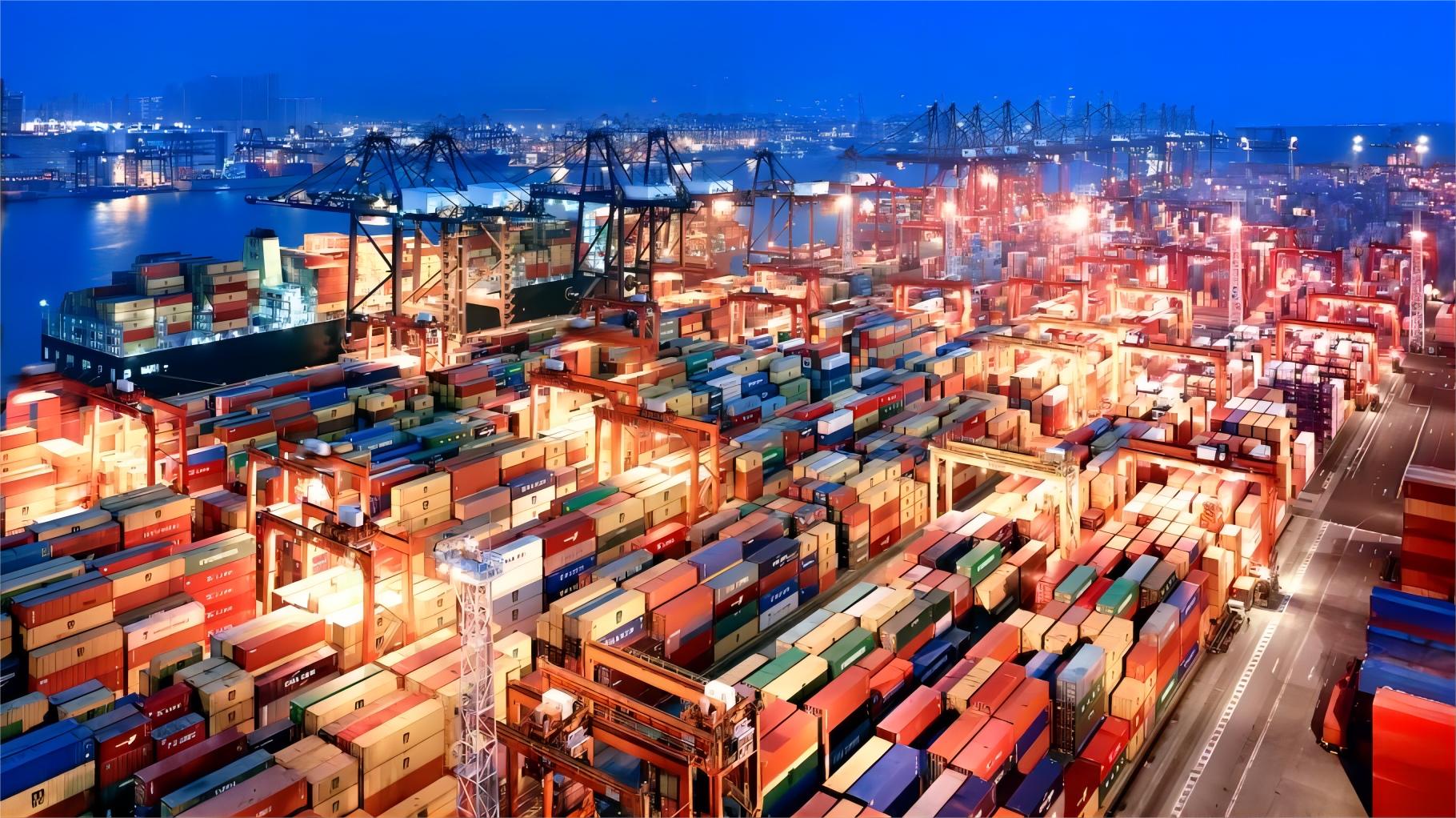
Professional freight forwarding services china for ecommerce involve the strategic management of moving goods from Chinese manufacturers to global destinations. These services encompass everything from cargo handling and warehousing to customs brokerage and final delivery. Furthermore, specialized forwarders understand the unique demands of online platforms like Shopify, eBay, and Amazon. Therefore, they provide tailored solutions that focus on speed, reliability, and cost-effectiveness.
In addition, a freight forwarder acts as an intermediary between the shipper and various transportation services. Instead of moving the goods themselves, they utilize established relationships with carriers to negotiate the best possible freight rates. Accordingly, this allows ecommerce businesses to benefit from economies of scale that would otherwise be unavailable. Meanwhile, the forwarder handles the complex documentation required for international trade, ensuring compliance with all regulations.
The Role of Logistics in Online Success
Supply chain efficiency is often the deciding factor in the success of an online store. Indeed, customers today expect rapid delivery and transparent tracking for every purchase they make. Consequently, ecommerce logistics must be agile enough to handle seasonal spikes and sudden shifts in consumer demand. Without a doubt, a robust logistics framework prevents stockouts and reduces the likelihood of shipping delays.
Why Ecommerce Businesses Need Specialized Forwarding
Standard shipping often fails to meet the specific requirements of modern digital retailers. For instance, many online sellers require specialized labeling and packaging services before goods leave the country of origin. Additionally, air freight is frequently used for high-value items that need to reach customers within days. This level of precision requires a forwarder who specializes in the fast-paced world of digital commerce.
Moreover, managing multiple suppliers across different Chinese provinces can be a logistical nightmare. A professional forwarder can consolidate shipments from various factories into a single container, significantly reducing overall shipping costs. Therefore, consolidation services are a cornerstone of efficient ecommerce supply chain management. Nevertheless, choosing the wrong partner can lead to hidden fees and prolonged transit times.
How Does Sea Freight Compare to Other Shipping Options?
While sea freight is the most economical choice for large volumes, it is not always the best fit for every scenario. For example, if you are launching a new product and need inventory immediately, the 30-day transit time of ocean transport might be too slow. On the other hand, for heavy or bulky items, the cost savings of sea transport are impossible to ignore. Consequently, many sellers use a hybrid approach to balance cost and speed.
Direct routes from major ports like Shanghai or Shenzhen to the US West Coast can take as little as 14 days. However, shipping to the East Coast or Europe often takes much longer due to the distance and potential canal transits. Indeed, market data suggests that sea freight remains the backbone of global trade, carrying over 80 percent of all international goods. Accordingly, understanding the trade-offs between different modes of transport is vital for strategic planning.
| Shipping Method | Cost Range | Transit Time | Best For |
|---|---|---|---|
| Sea Freight (FCL) | $2,000 – $4,500 | 25-40 Days | Large inventory |
| Air Freight | $5.00 – $9.00/kg | 3-7 Days | High-value goods |
| Rail Freight | $1,500 – $2,800 | 15-22 Days | China to Europe |
| Express Service | $7.00 – $12.00/kg | 2-4 Days | Samples and urgent |
Choosing Between FCL and LCL for Your Inventory
Full Container Load (FCL) is ideal for businesses that have enough inventory to fill a 20ft or 40ft container. In contrast, Less than Container Load (LCL) allows smaller sellers to share container space with other shippers. Furthermore, LCL is a cost-effective way to maintain a steady flow of inventory without committing to massive volumes. Therefore, it is a popular choice for growing ecommerce brands that are scaling their operations.
However, LCL shipments often involve more handling and a slightly higher risk of damage during the consolidation process. Additionally, the transit time for LCL can be longer because the forwarder must wait for the container to be fully filled. Consequently, sellers must factor in these potential delays when planning their delivery schedule. Without a doubt, calculating the landed cost of each unit is essential when deciding between these two options.
Mastering Amazon FBA Shipping from China
Sending inventory directly to Amazon warehouses requires strict adherence to specific labeling and packaging rules. Utilizing a specialized Amazon FBA service ensures that your goods are not rejected upon arrival. Moreover, forwarders experienced in FBA logistics can handle the appointment scheduling and final mile delivery to the fulfillment center. Accordingly, this removes a significant burden from the business owner.
In addition, many forwarders offer value-added services such as quality inspections and prep work in China. For example, checking for defects before the goods are shipped can save thousands of dollars in return costs. Therefore, integrating these steps into your shipping process is a wise long-term strategy. Meanwhile, staying updated on Amazon’s changing policies is necessary to avoid unexpected storage fees or penalties.
The Benefits of Door to Door Logistics
A door to door service provides the ultimate convenience by managing the entire journey from the factory to your warehouse. This inclusive model covers export customs, international transport, import clearance, and local trucking. Furthermore, it simplifies the accounting process because you receive a single invoice for the entire shipment. Consequently, this allows you to focus more on marketing and sales rather than logistics.
Nevertheless, it is important to verify exactly what is included in your door-to-door quote. Some providers might exclude certain local taxes or terminal handling charges, leading to surprises later on. Therefore, always request a detailed breakdown of all costs before booking. Indeed, transparency is the hallmark of a high-quality freight forwarding partner.
Using Express Service for Urgent Ecommerce Needs
When time is of the essence, an express service is the fastest way to move goods from China. This method is particularly useful for shipping product samples or restocking hot-selling items that have unexpectedly sold out. Moreover, express carriers like DHL, FedEx, and UPS provide door-to-door delivery with built-in customs clearance. Accordingly, this is the most seamless, albeit the most expensive, shipping option available.
In addition, express shipping provides the highest level of tracking visibility for both the seller and the customer. For instance, you can monitor the package’s progress in real-time as it moves through various transit hubs. Consequently, this peace of many is often worth the premium price for high-priority shipments. However, for large-scale inventory replenishment, the high cost per kilogram can quickly erode profit margins.
Real-World Case Studies in Ecommerce Logistics
Case Study 1: Electronics Startup Expansion. Route: Shenzhen to Los Angeles. Cargo: Smart Home Devices, 12 CBM, 2,500 kg. Container: LCL. Shipping Details: Major carrier via Port of Ningbo to Port of Long Beach. Cost Breakdown: Ocean Freight: $1,200; Origin Charges: $350; Destination Charges: $450; Customs: $800; Total Landed Cost: $2,800. Timeline: 28 days total. Key Insight: Consolidating multiple small orders into one LCL shipment saved the client 30 percent compared to air freight.
Case Study 2: Apparel Brand Peak Season. Route: Guangzhou to Hamburg. Cargo: Organic Cotton T-shirts, 40HQ Container. Container: FCL. Shipping Details: Direct route via COSCO. Cost Breakdown: Ocean Freight: $3,800; Origin Charges: $500; Destination Charges: $600; Customs: $1,200; Total Landed Cost: $6,100. Timeline: 35 days total. Key Insight: Booking space six weeks in advance allowed the brand to avoid the Q4 price surge, saving approximately $1,500 in freight costs.
Case Study 3: Urgent Amazon Restock. Route: Shanghai to Dallas. Cargo: Fitness Equipment, 2 CBM, 400 kg. Shipping Method: Air Freight. Cost Breakdown: Air Freight: $2,800; Customs: $400; Delivery to FBA: $300; Total: $3,500. Timeline: 6 days total. Key Insight: Although expensive, air freight prevented a stockout during a major sales event, preserving the product’s ranking on Amazon.
Decision Framework: Which Option Should You Choose?
Selecting the right shipping method depends on your specific business priorities and the nature of your products. If your primary goal is to minimize costs and you have plenty of lead time, sea freight is the clear winner. On the other hand, if you are shipping lightweight, high-margin items that need to move quickly, air freight is more appropriate. Therefore, you should evaluate each shipment based on its unique requirements.
Furthermore, consider the volume of your goods before making a final decision. For shipments under 100 kilograms, express services are often the most practical choice. For shipments between 100 and 500 kilograms, air freight becomes more economical. Consequently, once you exceed 1 CBM, sea freight (LCL) should be your primary consideration. Without a doubt, a flexible strategy that utilizes multiple methods is the most resilient approach.
| Priority | Recommended Method | Cost Level | Speed |
|---|---|---|---|
| Budget Priority | Sea Freight (LCL/FCL) | Low | Slow |
| Speed Priority | Express / Air Freight | High | Fast |
| Balance Priority | Rail Freight | Medium | Moderate |
| Reliability | Door to Door | Varies | Consistent |
Summary of Ecommerce Freight Forwarding
In conclusion, mastering freight forwarding services china for ecommerce is essential for any online business looking to scale globally. By understanding the differences between sea, air, and rail freight, you can make informed decisions that protect your margins. Additionally, partnering with a professional forwarder ensures that your customs and documentation are handled correctly. Consequently, you can spend less time worrying about logistics and more time growing your brand. Remember that the right shipping strategy is a powerful competitive advantage in the modern ecommerce landscape.
Ready to streamline your logistics?
Ready to streamline your supply chain and reduce costs? Contact our experts today to receive a customized quote for freight forwarding services china for ecommerce tailored to your business needs. Visit Freight Net China to learn more about our comprehensive logistics solutions. Send Inquiry:
Request Quote