
Sea Freight China 2026: Trends, Costs, and Logistics Guide
Navigating the complexities of international trade requires a forward-looking approach to logistics and supply chain management. As global markets evolve, businesses must understand the shifting dynamics of sea freight china 2026 to maintain a competitive edge. Freight Net China provides the expertise and resources necessary to manage these transitions effectively. By planning ahead, importers can mitigate risks associated with price volatility and port congestion. This guide explores the essential factors that will define the maritime landscape in the coming years.

What to Expect from Sea Freight China 2026?
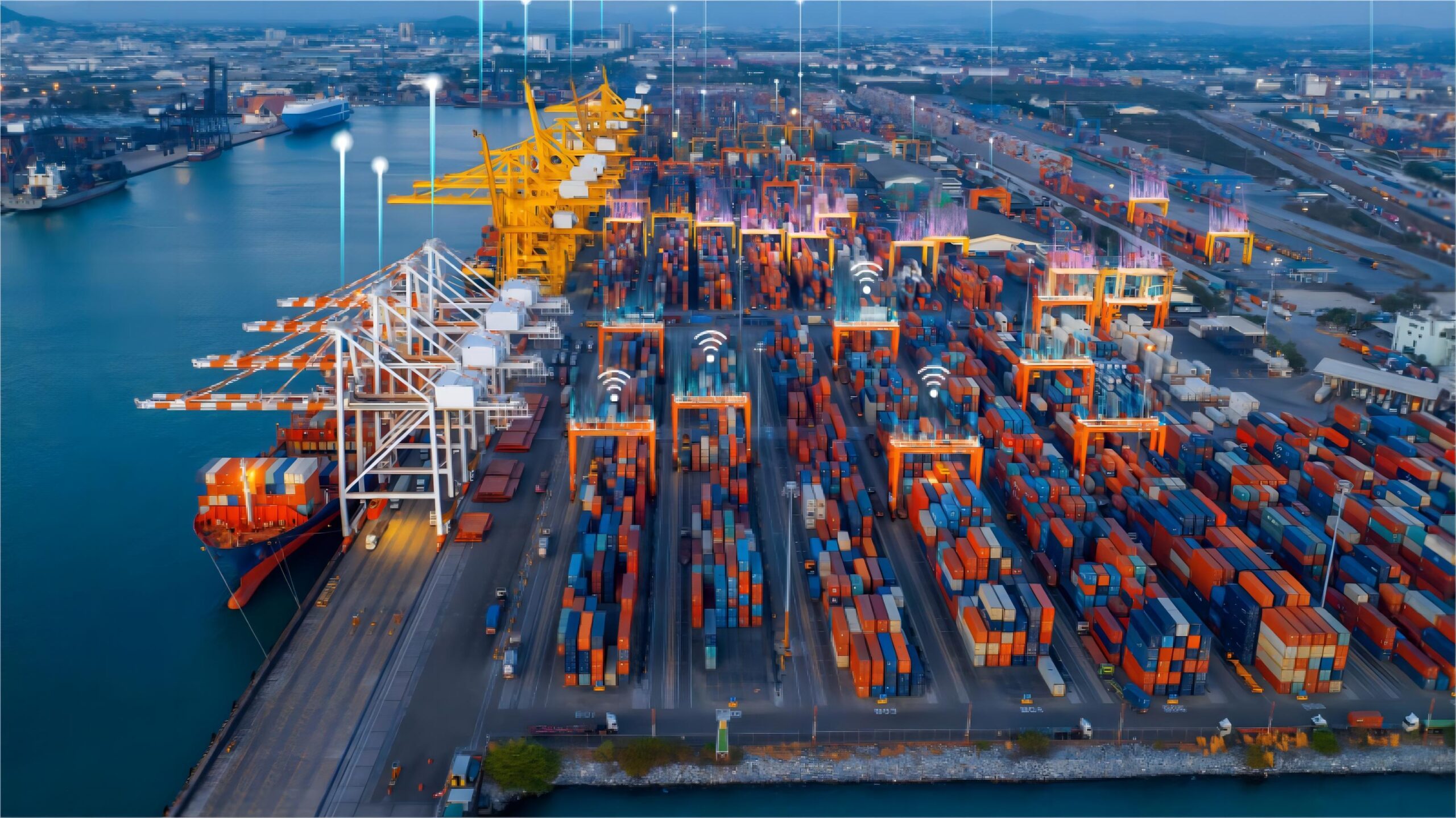
The landscape of maritime transport is undergoing a significant transformation driven by technology and environmental regulations. Consequently, sea freight china 2026 will likely feature more automated port operations and smarter tracking systems. Shippers should anticipate a greater emphasis on data-driven decision-making to optimize container usage. In addition, the integration of blockchain technology will improve transparency throughout the sea freight process.
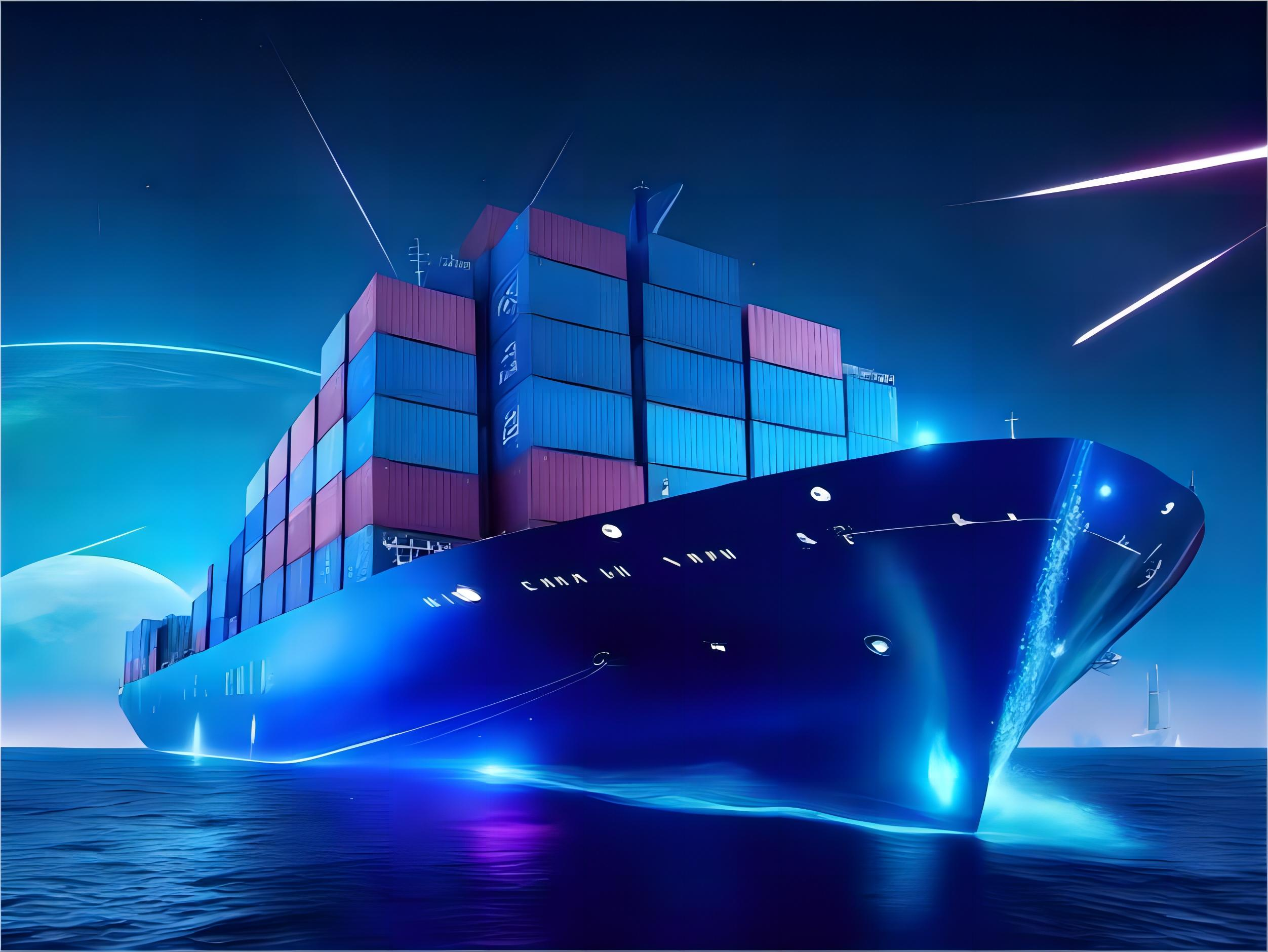
Market analysts predict that vessel capacity will reach new heights as larger, more efficient ships enter service. However, this increased capacity might be offset by stricter carbon emission standards. Therefore, businesses must prepare for potential adjustments in fuel surcharges and base rates. Meanwhile, the demand for reliable China export logistics trends continues to grow among global retailers.
Digitalization will play a pivotal role in reducing administrative bottlenecks at major hubs like Shanghai and Ningbo. Furthermore, real-time visibility will become a standard requirement rather than a premium feature. As a result, companies that invest in digital freight forwarding solutions will experience fewer delays. Without a doubt, staying informed about these maritime trade predictions 2026 is vital for long-term planning.
Projected Ocean Freight Rates and Market Trends
Determining the exact cost of shipping two years in advance is challenging due to economic fluctuations. Nevertheless, current market data suggests that ocean freight rates 2026 will stabilize after the volatility seen in previous years. Indeed, the expansion of global trade routes may lead to more competitive pricing on high-volume lanes. On the other hand, peak season surcharges will still impact budgets during the Q3 and Q4 periods.
While sea freight remains the most cost-effective method for bulk cargo, businesses should also monitor air freight for urgent needs. Specifically, the price gap between these two modes might fluctuate based on jet fuel costs and maritime environmental taxes. Additionally, seasonal patterns suggest that rates typically increase by 15-25 percent during the pre-Lunar New Year rush. Accordingly, early booking will remain a critical strategy for cost-conscious shippers.
Supply chain resilience will become a top priority as companies diversify their manufacturing bases. Consequently, we expect to see more direct routes from secondary Chinese ports to emerging markets. Moreover, container shipping costs 2026 will be influenced by the ongoing shift toward sustainable maritime transport. For instance, vessels using alternative fuels may command a slight premium but offer tax advantages in certain jurisdictions.
| Route | 20GP Rate Range | 40HQ Rate Range | Avg. Transit Time |
|---|---|---|---|
| China to USA West | $1,600 – $2,300 | $2,700 – $3,900 | 14 – 18 Days |
| China to Europe | $1,900 – $2,600 | $3,100 – $4,400 | 28 – 35 Days |
| China to Australia | $850 – $1,300 | $1,500 – $2,100 | 12 – 18 Days |
| China to UK | $2,100 – $2,900 | $3,400 – $4,600 | 30 – 38 Days |
How Does Sea Freight China 2026 Compare to Other Shipping Options?
Choosing the right transportation mode depends on a balance between speed, cost, and cargo volume. While sea freight is ideal for large shipments, rail freight offers a middle ground for Eurasian routes. Specifically, rail services can deliver goods in half the time of ocean transport at a fraction of the cost of air. Therefore, a multi-modal approach often yields the best results for complex supply chains.
Air freight remains the fastest option but carries a significantly higher price tag per kilogram. For example, shipping a 40HQ container via sea might cost $3,500, whereas the same volume via air could exceed $20,000. In contrast, sea freight provides the necessary scale for heavy machinery and raw materials. Consequently, businesses must evaluate their inventory turnover rates when selecting a shipping method.
Hybrid solutions like sea-air or rail-sea combinations are gaining popularity for their flexibility. These strategies allow shippers to bypass port congestion while keeping costs manageable. Furthermore, international cargo handling 2026 will see improved coordination between different transport hubs. Ultimately, the choice depends on whether budget or speed is the primary driver for the shipment.
| Shipping Method | Cost Range | Transit Time | Best For | Limitations |
|---|---|---|---|---|
| Sea Freight | Low | 14-40 Days | Bulk, FCL/LCL | Slower speed |
| Air Freight | High | 3-7 Days | High-value, Urgent | Weight limits |
| Rail Freight | Medium | 15-22 Days | China to Europe | Limited routes |
| Express | Very High | 2-5 Days | Samples, Small | Expensive |
Navigating Customs Brokerage and Import Regulations
Efficiently managing documentation is essential to avoid costly delays at the port of discharge. As regulations become more stringent, professional customs brokerage services will be indispensable for sea freight china 2026. Moreover, new digital filing requirements will mandate higher accuracy in product classification and valuation. As a result, errors in paperwork could lead to significant fines or cargo seizures.
Customs authorities are increasingly utilizing artificial intelligence to screen shipments for compliance. Consequently, importers must ensure that their suppliers provide detailed and accurate commercial invoices. In addition, understanding regional trade agreements can help businesses leverage duty drawbacks and tax exemptions. For instance, specific categories of green technology may benefit from reduced tariffs in 2026.
Security programs like C-TPAT or AEO status will continue to provide faster processing times for trusted traders. Furthermore, maintaining a clean compliance record will be a competitive advantage in a crowded market. Therefore, investing in robust compliance software or partnering with experienced brokers is a wise strategic move. Indeed, proactive management of customs issues is the key to a smooth delivery schedule.
FCL vs LCL: Choosing the Right Method for Your Cargo
Deciding between Full Container Load (FCL) and Less than Container Load (LCL) is a fundamental part of logistics planning. For shipments exceeding 15 cubic meters, FCL is generally the more economical and secure choice. However, LCL allows smaller businesses to share container space and reduce overall shipping costs. In fact, FCL vs LCL sea freight considerations will be even more critical as port handling fees evolve.
FCL shipments typically experience faster transit times because they do not require consolidation or deconsolidation. On the other hand, LCL offers the flexibility to ship smaller batches more frequently, which aids in inventory management. Additionally, door to door services often simplify the process for LCL shippers by handling the final mile delivery. Thus, your choice should align with your specific volume and frequency requirements.
Packaging and cargo protection are particularly important for LCL shipments due to increased handling. Moreover, shippers must be aware of ‘minimum billable’ volumes that can affect the cost-effectiveness of very small loads. Consequently, calculating the total landed cost for both options is essential before making a booking. Without a doubt, both methods will remain vital components of the global supply chain optimization 2026.
Case Study 1: Electronics from Shenzhen to Hamburg
Case Study 01: High-Tech Electronics Export Route: Shenzhen, China to Hamburg, Germany Cargo: Consumer Electronics, 28 CBM, 8,500 kg Container: 40GP Shipping Details: – Carrier/Service: Major carrier (Direct) – Port of Loading: Shenzhen – Port of Discharge: Hamburg – Route Type: Direct Cost Breakdown: – Ocean Freight: $2,450 – Origin Charges: $420 – Destination Charges: $550 – Customs and Duties: $1,200 – Total Landed Cost: $4,620 Timeline: – Booking to Loading: 4 days – Sea Transit: 32 days – Customs Clearance: 2 days – Total Door-to-Door: 38 days Key Insight: Utilizing a direct route reduced the risk of damage during transshipment, which is crucial for sensitive electronics. Based on Q3 2024 market rates, this shipment benefited from early booking discounts.

Case Study 2: Furniture from Ningbo to Sydney
Case Study 02: Home Furniture Distribution Route: Ningbo, China to Sydney, Australia Cargo: Wooden Furniture, 65 CBM, 12,000 kg Container: 40HQ Shipping Details: – Carrier/Service: COSCO – Port of Loading: Ningbo – Port of Discharge: Sydney – Route Type: Direct Cost Breakdown: – Ocean Freight: $1,750 – Origin Charges: $380 – Destination Charges: $490 – Customs and Duties: $850 – Total Landed Cost: $3,470 Timeline: – Booking to Loading: 5 days – Sea Transit: 16 days – Customs Clearance: 3 days – Total Door-to-Door: 24 days Key Insight: The use of a 40HQ container maximized the volume capacity, resulting in a lower cost per unit for the furniture. Typical rates as of early 2025 suggest that Australia remains a highly efficient route for Chinese exports.
Case Study 3: Textiles from Shanghai to New York
Case Study 03: Seasonal Apparel LCL Shipment Route: Shanghai, China to New York, USA Cargo: Cotton Textiles, 8 CBM, 2,200 kg Container: LCL Shipping Details: – Carrier/Service: Shared Container Service – Port of Loading: Shanghai – Port of Discharge: New York (East Coast) – Route Type: Transshipment via Panama Canal Cost Breakdown: – Ocean Freight: $1,120 ($140 per CBM) – Origin Charges: $210 – Destination Charges: $340 – Customs and Duties: $600 – Total Landed Cost: $2,270 Timeline: – Booking to Loading: 6 days – Sea Transit: 34 days – Customs Clearance: 4 days – Total Door-to-Door: 44 days Key Insight: LCL was the most cost-effective choice for this volume, despite the longer transit time to the East Coast. Market data suggests that planning for Panama Canal transit times is essential for New York arrivals.
Which Sea Freight Option Should You Choose?
Selecting the optimal strategy for sea freight china 2026 requires a clear understanding of your business priorities. If your primary goal is to minimize expenditure, sea freight remains the undisputed leader for large volumes. However, if your supply chain requires rapid replenishment, you might consider a mix of air and ocean services. Therefore, a tiered shipping strategy can help balance costs while meeting customer expectations.
Cargo type also plays a significant role in the decision-making process. For instance, perishable goods or high-value fashion items often justify the expense of faster transit. Conversely, stable consumer goods and industrial components are best suited for the reliability of FCL ocean transport. In addition, you should factor in the potential for port congestion forecast 2026 when setting your delivery deadlines.
Finally, always consult with a logistics expert to get a current quote tailored to your specific shipment. Market conditions change rapidly, and a professional partner can help you navigate fuel surcharges and carrier capacity issues. By staying flexible and informed, you can ensure that your cargo arrives safely and on time. Indeed, success in 2026 will belong to those who plan their logistics with precision.
| Priority | Recommended Method | Key Benefit | Best Cargo Type |
|---|---|---|---|
| Budget | Sea Freight (FCL) | Lowest unit cost | General merchandise |
| Speed | Air Freight | Fastest delivery | Electronics, Pharma |
| Flexibility | Sea Freight (LCL) | Small batch sizes | E-commerce stock |
| Reliability | Rail Freight | Fixed schedules | Auto parts |
Mastering Your 2026 Shipping Strategy
Successfully managing sea freight china 2026 requires a proactive approach to market trends and regulatory changes. By understanding the nuances of ocean freight rates and transit times, businesses can build more resilient supply chains. Moreover, the shift toward sustainable maritime transport and digital logistics will create new opportunities for efficiency.
In conclusion, the future of international shipping is both challenging and promising. Shippers who embrace technological advancements and plan for seasonal fluctuations will thrive in the global marketplace. Remember to stay updated on current market rates and maintain strong partnerships with reliable freight forwarders to ensure long-term success.
Ready to streamline your logistics?
Are you ready to optimize your supply chain for 2026? Contact the experts at Freight Net China today to receive a customized quote for your next shipment. Whether you need sea, air, or rail solutions, we are here to help you navigate the future of sea freight china 2026 with confidence and ease. Visit our website to learn more about our comprehensive logistics services.
Request Quote