

Door to Door Shipping China Spain: The Ultimate 2025 Logistics Guide
Door to door shipping china spain remains the most effective strategy for modern businesses seeking to streamline their international supply chains. By utilizing a professional freight forwarder like Freight Net China, importers can eliminate the complexities of managing multiple logistics providers across different continents. This comprehensive service ensures that goods move seamlessly from a Chinese factory directly to a warehouse or storefront in Madrid, Barcelona, or Valencia. Consequently, companies can focus on sales and growth while logistics experts handle the intricate details of international transit.

How Does Door to Door Shipping China Spain Work?
The process of door to door shipping china spain involves several critical stages that require precise coordination. Initially, the freight forwarder picks up the cargo from the supplier’s location in China, whether it is in Shenzhen, Ningbo, or Shanghai. Afterward, the goods are transported to a nearby port or airport for export processing and loading. Furthermore, the provider manages all export documentation and local handling fees to ensure a smooth departure.
Once the cargo arrives at a Spanish port of entry, the logistics provider initiates the customs clearance process immediately. This stage involves paying necessary duties and Value Added Tax (VAT) according to Spanish regulations. Specifically, the agent ensures that all paperwork matches the physical goods to avoid costly delays or inspections. Finally, the shipment is loaded onto a local truck for the final mile delivery to the specified address in Spain.
Choosing this service model provides significant peace of mind because a single point of contact manages the entire journey. Consequently, importers do not need to worry about the handoff between ocean carriers and local trucking companies. Moreover, the all-inclusive nature of the service often results in more predictable pricing and fewer hidden surprises during the transit phase.
What are the Primary Methods for Shipping to Spain?
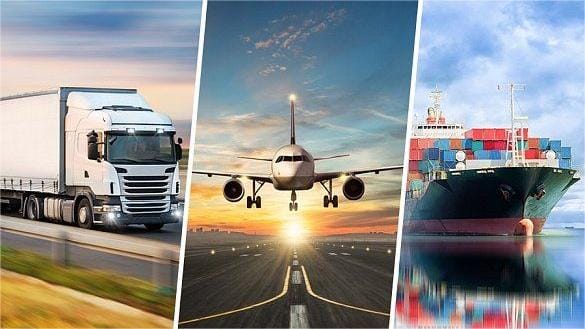
Importers typically choose between three main transport modes: sea, air, and rail freight. Each method offers a different balance of speed and cost, depending on the urgency and volume of the shipment. For instance, sea freight is the most popular choice for large-scale shipments due to its unmatched cost-efficiency. In contrast, air freight serves businesses that prioritize rapid delivery over low shipping rates.
Rail freight has emerged as a powerful alternative for those shipping to Europe from inland Chinese cities. This method utilizes the extensive New Silk Road network to deliver goods faster than sea freight while remaining cheaper than air transport. Additionally, express services are available for small parcels or urgent documents that require delivery within a few days. Therefore, selecting the right method depends heavily on your specific budget and inventory requirements.
Air Freight Solutions for Urgent Cargo
Utilizing air freight allows businesses to replenish stock in as little as 5 to 8 days. This speed is essential for high-value electronics, fashion items, or seasonal products that have a short shelf life. However, the cost per kilogram is significantly higher than other modes of transport. As a result, companies usually reserve air transport for smaller, high-margin shipments or emergency restocks.
The Reliability of Rail Freight
Opting for rail freight provides a stable transit time of approximately 18 to 24 days. This method is particularly effective for heavy machinery or consumer goods that are too bulky for air but too urgent for the long sea voyage. Furthermore, rail transport is often considered more environmentally friendly than air freight, appealing to companies with sustainability goals.
How Does Sea Freight Compare to Other Shipping Options?
Comparing different shipping methods is essential for optimizing your logistics budget and meeting delivery deadlines. While sea freight offers the lowest price per cubic meter, it also requires the longest lead time, often exceeding 35 days. On the other hand, air freight can deliver goods in less than a week but at a price that can be ten times higher than ocean transport. Consequently, businesses must weigh the cost of inventory holding against the cost of faster transportation.
Below is a detailed comparison of the primary shipping methods used for the China to Spain route. These figures are based on market averages for late 2024 and early 2025. Please note that rates fluctuate based on fuel surcharges and seasonal demand peaks.
| Shipping Method | Cost Range | Transit Time | Best For | Limitations |
|---|---|---|---|---|
| Sea Freight (FCL) | $3,000 – $4,500 per 40HQ | 35 – 45 Days | Large volumes, bulky goods | Slowest transit time |
| Sea Freight (LCL) | $80 – $150 per CBM | 40 – 50 Days | Small shipments (>1 CBM) | Multiple handling risks |
| Rail Freight | $150 – $250 per CBM | 18 – 24 Days | Medium urgency, heavy cargo | Limited inland routes |
| Air Freight | $4.50 – $7.50 per kg | 5 – 8 Days | High-value, urgent items | Very high cost |
Understanding Customs Clearance and Taxes in Spain
Navigating Spanish customs is often the most challenging aspect of door to door shipping china spain for new importers. The Spanish Tax Agency (Agencia Tributaria) requires precise documentation, including a commercial invoice, packing list, and Bill of Lading. Additionally, every importer must have an EORI number to clear goods through any European Union port. Using a professional customs brokerage service is highly recommended to avoid administrative errors.
Import duties in Spain vary depending on the HS Code classification of your products. Most consumer goods attract a duty rate between 0% and 12%, while the standard VAT rate in Spain is 21%. Furthermore, certain products like textiles or bicycles may be subject to anti-dumping duties. Consequently, calculating the total landed cost before placing an order is vital for maintaining profitability. Industry average for this route suggests that customs delays can add 3-5 days if paperwork is incomplete.
Case Studies: Successful Shipping Scenarios
Reviewing real-world examples helps importers understand the practicalities of door to door shipping china spain in the current market. These cases reflect typical shipments handled during the 2024-2025 period, showcasing different methods and outcomes. Note: Freight rates are subject to change based on fuel costs, carrier capacity, and seasonal demand. Contact us for a current quote tailored to your specific shipment.
Case Study 1: Large Scale Furniture Import
Route: Ningbo, China to Madrid, Spain. Cargo: Home Furniture, 68 CBM, 12,500 kg. Container: 40HQ FCL. Shipping Details: Major carrier via Valencia port. Ocean Freight: $4,100. Origin Charges: $450. Destination Charges: $600. Customs & Duties: $2,800. Total Landed Cost: $7,950. Timeline: 42 days total. Key Insight: Choosing FCL for a full 40HQ saved the client approximately 15% compared to LCL rates.
Case Study 2: Urgent Electronics Restock
Route: Shenzhen, China to Barcelona, Spain. Cargo: Smartphone Accessories, 2.5 CBM, 480 kg. Shipping Method: Air Freight. Port of Loading: Shenzhen Baoan. Port of Discharge: Barcelona-El Prat. Cost Breakdown: Air Freight: $2,880. Customs Clearance: $150. Local Delivery: $120. Total Landed Cost: $3,150. Timeline: 7 days total. Key Insight: Rapid transit allowed the client to meet a sudden market demand spike, justifying the higher air freight cost.
Cost-Saving Strategies for Shipping to Spain
Reducing your door to door shipping china spain expenses requires a strategic approach to cargo consolidation and timing. For instance, shipping during the off-peak months of March through June can save you up to 20% on ocean freight rates. Additionally, optimizing your packaging to reduce dead space can significantly lower your costs for LCL or air freight shipments. Furthermore, consolidating multiple small orders into one larger shipment reduces the per-unit cost of customs clearance and local handling.
Negotiating Incoterms with your supplier is another effective way to control costs. Many importers prefer DDP (Delivered Duty Paid) terms because the forwarder handles everything, providing a fixed price upfront. However, using FOB (Free On Board) terms often allows you to have more control over the shipping rates and service quality. Therefore, analyzing your internal logistics capabilities is essential before deciding on the best Incoterm for your business.
Which Option Should You Choose for Your Business?
Selecting the ideal shipping method involves evaluating your budget, cargo volume, and delivery deadlines. If your primary goal is to minimize costs and you have a flexible schedule, sea freight is undoubtedly the best choice for large volumes. Conversely, if you are shipping high-value items or facing tight deadlines, air freight provides the necessary speed. For many businesses, rail freight offers a balanced ‘middle ground’ that provides reasonable speed at a moderate price point.
Consider the following criteria when making your decision. Budget priority leads toward sea freight, while speed priority demands air freight. For cargo weighing between 100kg and 500kg with medium urgency, rail or sea LCL are typically the most efficient options. Without a doubt, consulting with a logistics professional can help you identify hybrid solutions that combine different modes to optimize your specific supply chain.
Final Thoughts on Shipping from China to Spain
Mastering door to door shipping china spain is a vital component of a successful international trade strategy. By understanding the differences between sea, air, and rail freight, you can make informed decisions that protect your profit margins and satisfy your customers. Remember to account for Spanish customs regulations and VAT requirements early in the planning process to avoid unnecessary delays.
Partnering with a dedicated freight forwarder simplifies the entire process, providing you with a single point of accountability for your cargo. Whether you are shipping full containers or small parcels, the right logistics partner will ensure your goods arrive safely and on time. Start optimizing your supply chain today to gain a competitive edge in the Spanish marketplace.
Ready to streamline your logistics?
Ready to streamline your imports? Contact the experts at Freight Net China today to receive a customized quote for your door to door shipping china spain needs. Our team is dedicated to providing reliable, cost-effective logistics solutions that help your business thrive in the Spanish market. Visit our website to send an inquiry and start your shipment today. See: Visit https://freightnetchina.com/ for more details.
Request Quote