

Top China Logistics Company Singapore: Professional Shipping and Freight Solutions
Finding a reliable Freight Net China partner is essential for businesses navigating the complex trade routes between these two major Asian hubs. Shipping from China to Singapore involves intricate coordination of sea, air, and land transport to ensure timely delivery. This guide explores how a professional china logistics company singapore can optimize your supply chain through efficient cargo handling and customs management. Moreover, choosing the right provider helps mitigate risks associated with international trade while reducing overall shipping costs.
What Services Does a China Logistics Company Singapore Provide?
Reliable logistics providers offer a comprehensive suite of solutions tailored to meet diverse business requirements. Most companies prioritize sea freight as the primary method for transporting large volumes of goods economically. This method remains the backbone of global trade due to its high capacity and cost-effectiveness for bulk items. Additionally, providers manage the entire documentation process to prevent delays at the border.
Furthermore, specialized services such as warehousing and inventory management are often integrated into the logistics package. These facilities allow businesses to store goods temporarily before final distribution within Singapore. Consequently, this flexibility enables better demand forecasting and stock control for importers. Most top-tier firms also offer real-time tracking so you can monitor your shipment status constantly.
How Does Sea Freight Compare to Other Shipping Options?
Choosing the right transportation mode depends heavily on your budget and urgency. While sea freight is the most common choice for heavy machinery and furniture, air freight is significantly faster for high-value electronics. Indeed, the speed of air transport justifies the higher cost when dealing with time-sensitive product launches or urgent replacements. On the other hand, rail freight is generally not an option for this specific island-bound route.
Specifically, businesses must weigh the trade-offs between cost and transit time. For instance, a sea shipment might take two weeks, whereas air cargo arrives within forty-eight hours. Therefore, planning ahead allows you to utilize slower, cheaper methods without disrupting your sales cycle. The following table provides a clear comparison of the primary shipping methods available for this route.
| Shipping Method | Cost Range | Transit Time | Best For |
|---|---|---|---|
| Sea Freight (FCL) | $600 – $1,200 | 10-15 Days | Bulk goods, heavy items |
| Sea Freight (LCL) | $50 – $90/CBM | 12-18 Days | Small shipments, pallets |
| Air Freight | $3.50 – $7.00/kg | 3-5 Days | Urgent, high-value cargo |
| Express Service | $6.00 – $12.00/kg | 1-3 Days | Samples, small parcels |
Why Should You Consider Express Shipping for Small Parcels?
Utilizing an express service is often the most efficient way to handle documents or small product samples. These providers manage the entire process from pickup in China to delivery at your Singapore office. As a result, you avoid the complexities of individual customs entries and local courier coordination. Most express shipments are treated with high priority, ensuring they bypass standard congestion points.
Moreover, the convenience of door-to-door tracking provides peace of mind for sensitive shipments. This service level is particularly beneficial for e-commerce sellers who need to fulfill individual customer orders rapidly. Nevertheless, the cost per kilogram is higher than traditional freight, making it less suitable for large inventory restocks. Businesses typically use express options for prototyping phases or emergency replenishment.
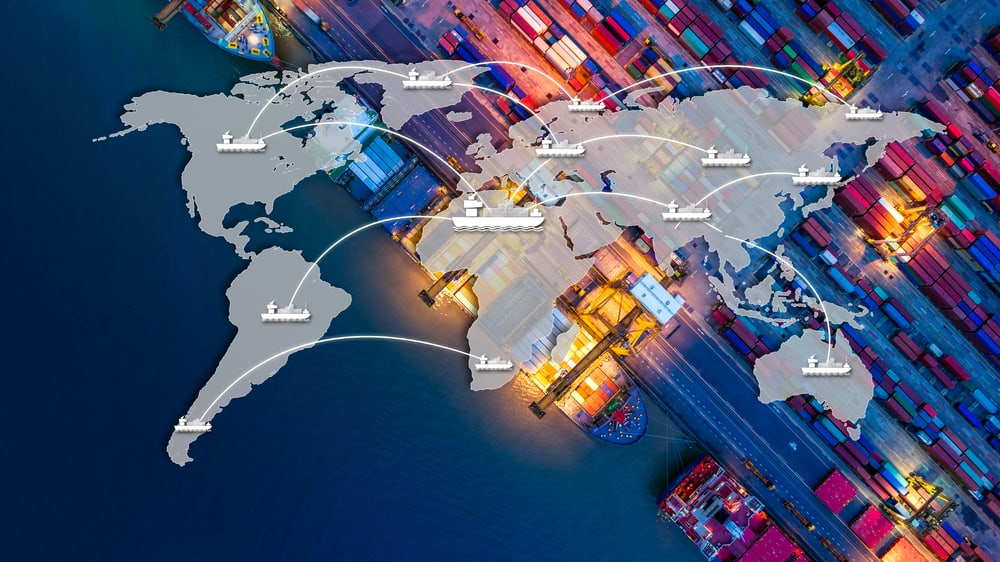
What Are the Benefits of Door to Door Delivery Services?
Implementing a door to door strategy simplifies the entire procurement process for Singaporean importers. This service model means the logistics company handles every step, including factory pickup, export clearance, ocean transit, and final delivery. Consequently, you do not need to hire multiple agents or worry about the hand-off between different carriers. This seamless integration reduces the likelihood of communication errors or lost documentation.
In addition, door-to-door services often include all-in pricing, which makes budgeting much easier for small and medium enterprises. You receive a single invoice that covers all freight, handling, and delivery fees. Therefore, you can calculate your landed cost more accurately before the goods even leave the warehouse. Many businesses find that the time saved by using this comprehensive service far outweighs the slightly higher service fee.
How to Manage Amazon FBA Shipments from China to Singapore?
Sellers using the Amazon FBA program must adhere to strict labeling and packaging requirements. A professional china logistics company singapore understands these specific standards and ensures your goods are compliant before arrival. For example, failing to use the correct barcodes can result in rejected shipments or additional warehouse fees in Singapore. Specialized forwarders provide prep services in China to solve these issues at the source.
Furthermore, coordinating the final delivery to Amazon fulfillment centers requires precise scheduling. Logistics providers work directly with Amazon’s carrier central to book delivery slots that align with your inventory needs. Meanwhile, they handle the payment of GST and other duties to ensure the shipment is cleared without delay. This specialized expertise is vital for maintaining a healthy seller rating and avoiding out-of-stock scenarios.
Understanding Customs Clearance and Import Duties
Navigating Singapore Customs is a critical step that requires accurate documentation and compliance with local regulations. All imported goods are subject to Goods and Services Tax (GST), which is currently 9 percent of the CIF value. Additionally, certain items like tobacco, alcohol, and motor vehicles incur excise duties. A knowledgeable freight forwarder will help you classify your goods correctly using the Harmonized System (HS) codes.
Notably, errors in HS code classification can lead to significant fines or lengthy inspections. To avoid these pitfalls, ensure your commercial invoice and packing list are detailed and match the physical cargo. The following checklist outlines the essential documents required for a smooth customs clearance process in Singapore. Preparing these in advance will significantly reduce the risk of your shipment being held at the port.
| Document Type | Purpose | Required By | Criticality |
|---|---|---|---|
| Commercial Invoice | Declares value and description | Customs | High |
| Packing List | Details contents and weight | Carrier/Customs | High |
| Bill of Lading | Contract of carriage | Shipping Line | High |
| Certificate of Origin | Proves manufacturing source | Customs | Medium |
Which Shipping Option Should You Choose?
Determining the best logistics strategy requires a careful analysis of your specific business needs and cargo characteristics. If your primary goal is cost reduction and you have flexible timelines, sea freight is undoubtedly the best choice. Conversely, if you are shipping perishable goods or high-demand electronics, air freight provides the necessary speed. Many companies now use a hybrid approach to balance their inventory levels and shipping budgets.
Specifically, you should consider the volume of your shipment when choosing between FCL and LCL. Full Container Load (FCL) is safer and faster for shipments exceeding 15 cubic meters. In contrast, Less than Container Load (LCL) allows you to share space with other shippers, making it affordable for smaller batches. Use the following criteria to help guide your decision-making process for your next shipment.
Budget Priority
Select sea freight LCL for shipments under 10 CBM to minimize costs. For larger volumes, FCL offers the best price per unit. Always request a comprehensive quote that includes all local charges to avoid hidden fees.
Speed Priority
Choose air freight or express services if your goods must arrive within a week. These methods bypass long port handling times and offer faster customs processing. Direct flights from major Chinese cities to Changi Airport are frequent and reliable.
Real-World Case Studies for China to Singapore Shipping
Examining real-world scenarios helps clarify the costs and timelines involved in international logistics. These cases reflect actual shipments handled during late 2024 and early 2025 market conditions. Please note that rates fluctuate based on seasonal demand and fuel surcharges. Contacting a logistics expert for a live quote is always recommended for precise planning.
Case Study 1: Industrial Machinery Components. Route: Shenzhen to Singapore. Cargo: Spare parts, 3.5 CBM, 850 kg. Shipping Method: Sea Freight LCL. Port of Loading: Shenzhen. Port of Discharge: Singapore. Sea Transit: 6 days. Total Door-to-Door: 14 days. Ocean Freight: $280. Local Charges: $150. Total Landed Cost: $430 (excluding GST). Key Insight: Consolidation saved the client 60 percent compared to air freight.
Case Study 2: E-commerce Consumer Electronics. Route: Guangzhou to Singapore. Cargo: Smartwatches, 120 kg. Shipping Method: Air Freight. Port of Loading: Guangzhou Baiyun. Port of Discharge: Changi Airport. Transit Time: 3 days. Total Door-to-Door: 5 days. Air Freight Cost: $540. Customs Clearance: $80. Total Landed Cost: $620. Key Insight: Rapid transit allowed the seller to restock during a flash sale event successfully.
Mastering Your Logistics from China to Singapore
Successfully managing international trade requires a deep understanding of shipping methods, costs, and customs regulations. By partnering with a reputable china logistics company singapore, you gain access to the expertise needed to navigate these complexities efficiently. Whether you choose the cost-savings of sea freight or the speed of air cargo, the right partner ensures your business remains competitive.
In summary, focus on clear communication and accurate documentation to minimize delays and unexpected expenses. As market conditions evolve in 2025, staying informed about logistics trends will help you make better procurement decisions. Start optimizing your shipping strategy today to build a more resilient and profitable supply chain.
Ready to streamline your logistics?
Streamline your supply chain today by partnering with a premier china logistics company singapore. Our team provides tailored solutions for sea, air, and express shipping to ensure your cargo arrives safely and on time. Send Inquiry to get a personalized quote and optimize your freight costs now.
Request Quote